2026 Top Types of Large Plastic Sheets for Global Buyers
In 2026, large plastic sheets will remain practical materials for construction, packaging, agriculture, transportation, and industrial fabrication. Buyers will compare more than thickness and price. They will assess resin performance, weather resistance, certification, processing stability, and end-of-life options.
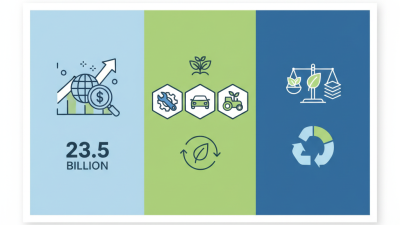
The global scale is substantial. PlasticsEurope’s Plastics—The Fast Facts 2024 reported 413.8 million tonnes of plastics produced worldwide in 2023. Its data shows continuing demand across packaging, building, automotive, and other sectors. Those applications require different sheet solutions. HDPE sheets suit chemical tanks, liners, and outdoor protection. PP sheets offer low moisture absorption and useful fatigue resistance. PVC sheets support cladding, partitions, and industrial covers. Polycarbonate sheets provide strong impact resistance and light transmission. Acrylic sheets deliver clearer appearance, while UHMW-PE sheets reduce friction in demanding equipment.
The details matter.
Grand View Research identifies construction, packaging, and automotive uses as important drivers for plastic sheet demand. Meanwhile, the OECD Global Plastics Outlook highlights growing pressure to reduce waste and improve circularity. Therefore, recycled-content sheets and recyclable mono-material designs deserve closer attention in global purchasing plans. However, recycled grades can show color variation, odor, or inconsistent mechanical performance. That issue is sometimes underestimated.
This guide examines the top types of large plastic sheets expected to attract international buyers in 2026. It connects material selection with real operating conditions, including sunlight, temperature, impact, chemicals, and fabrication methods. No single sheet fits every project. A cheaper option may become expensive after warping, cracking, or replacement. Reliable decisions require verified technical data, sample testing, supplier audits, and clear compliance documents. Industry reports provide direction, not certainty. Procurement teams still need practical judgment.
What Are Large Plastic Sheets and How Are They Classified?
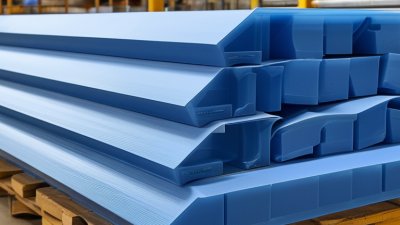
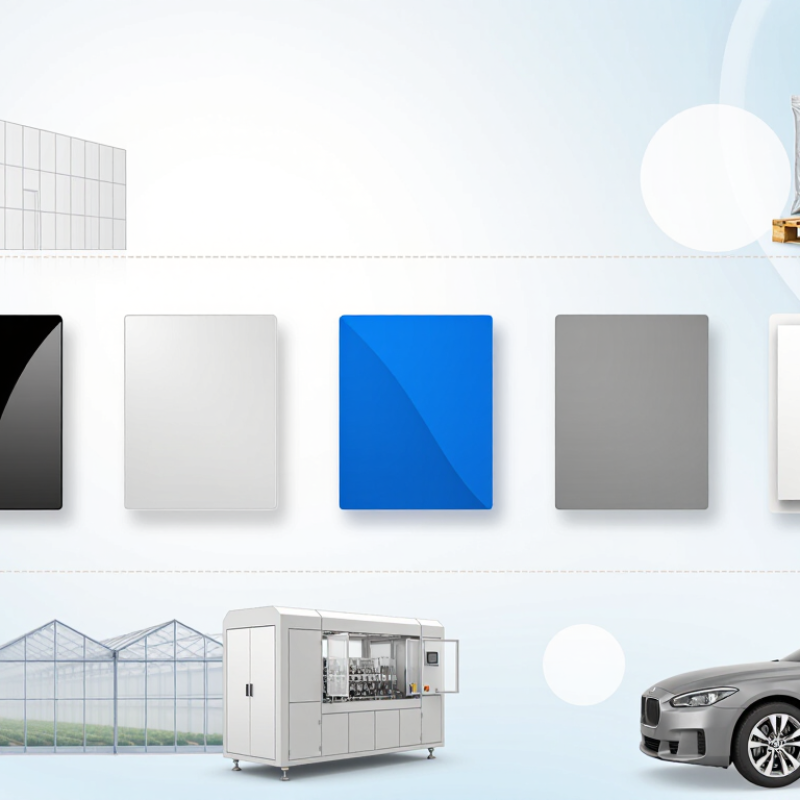
Large plastic sheets are broad, flat panels made from polymer materials and supplied in different thicknesses, widths, and lengths. Buyers use them for machine guards, wall protection, packaging, fabrication, liners, and temporary structures. Their classification usually begins with the base resin. Common groups include polyethylene, polypropylene, PVC, polycarbonate, PETG, and acrylic. Each material offers different levels of flexibility, impact resistance, clarity, chemical tolerance, and temperature performance. The right choice depends on the working environment, not only the lowest price.
Sheets are also classified by structure and surface. Solid sheets provide a dense, even panel. Corrugated and multiwall sheets reduce weight while adding stiffness. Foam-core sheets are easier to cut, but they may resist heavy loads poorly. Surfaces can be smooth, textured, embossed, or coated. Thickness matters, but it does not tell the whole story. A thin rigid sheet may outperform a thicker flexible sheet in one application. This is where specifications can mislead.
Tips: Confirm resin type, actual thickness, sheet tolerance, color stability, and operating temperature before ordering. Ask for test data when impact, UV exposure, or chemical contact matters. Check whether the sheet is suitable for your industry and destination requirements. In practice, buyers sometimes compare only dimensions and miss processing behavior. That mistake can create waste, delays, and extra cutting costs.
Which Plastic Sheet Types Are Most Popular in 2026?
HDPE and PP sheets are expected to remain among the most popular choices for global buyers in 2026. PlasticsEurope reported 413.8 million tonnes of global plastics production in 2023. Polyolefins represented a major share of that output. Their appeal is practical: low moisture absorption, strong impact resistance, and easy fabrication. HDPE sheets suit water tanks, liners, and industrial covers. PP sheets perform well around chemicals, machine guards, and reusable containers. They are not perfect. Long exposure to sunlight can still cause brittleness without proper stabilization.
LDPE and LLDPE sheets will continue serving agriculture, construction, and flexible protection applications. Grand View Research identifies polyethylene as a leading polymer family across packaging and industrial markets. Buyers often choose these sheets for their softness, sealing ability, and lower handling weight. PVC sheets remain popular for partitions, flooring, and corrosion-resistant panels. However, temperature limits and formulation differences require careful checking. “PVC” is not one uniform product.
PET, polycarbonate, and acrylic sheets are gaining attention where clarity matters. PET offers good dimensional stability for displays and protective panels. Polycarbonate provides high impact strength in safety glazing. Acrylic delivers glass-like appearance with lower weight. The 2024 PlasticsEurope report also highlights rising pressure for recycled content and circular production. That trend will influence purchasing decisions in 2026, but recycled grades may show color variation or weaker consistency. Buyers should verify thickness tolerance, recycled content, UV performance, and test standards before approving large shipments. Specifications matter more than attractive catalog photographs.
How Do Materials and Properties Differ Across Sheet Types?
Large plastic sheets differ mainly through their polymer structure, thickness, surface finish, and working temperature.
High-density polyethylene sheets resist moisture, chemicals, and impact, making them useful for tank linings, machine guards, and outdoor panels.
Polypropylene is lighter and handles repeated bending well, but it can become brittle in cold environments.
PVC sheets offer strong chemical resistance and easy fabrication, although heat exposure may cause distortion.
Polycarbonate sheets provide high impact strength and better heat performance than many clear plastics. They suit safety screens, protective covers, and areas exposed to falling tools.
Acrylic sheets deliver excellent clarity and weather resistance, but they scratch and crack more easily than polycarbonate. ABS sheets are practical for formed covers and equipment housings because they combine stiffness with reasonable impact resistance.
It is not always obvious.
In practical sourcing, buyers should match the sheet to its real service conditions. Check operating temperature, sunlight exposure, chemical contact, load direction, and expected cleaning methods.
A thicker sheet is not automatically stronger for every application. Ask suppliers for test data, dimensional tolerances, UV information, and batch documentation.
I have seen projects choose clear acrylic for impact-prone areas, then regret the decision after installation. Material selection often fails when appearance receives more attention than performance.
Suppliers should also confirm flatness, edge quality, and whether cutting will expose internal stress.
What Applications Suit Each Type of Large Plastic Sheet?
2026 Top Types of Large Plastic Sheets for Global Buyers
What Applications Suit Each Type of Large Plastic Sheet?
Large plastic sheets serve very different jobs, even when they look similar. HDPE sheets suit pond liners, chemical bunds, fabricated tanks, and wear-resistant machine guards. Their low moisture absorption helps outdoors, but joint design still determines reliability. For flexible covers, temporary partitions, and agricultural protection, LDPE is easier to fold and heat-seal. It is not ideal where sharp edges or high temperatures dominate. Flexibility has limits.
PP sheets work well for laboratory furniture, food-processing interiors, and lightweight fabrication. They tolerate many chemicals and repeated cleaning, although cold-impact performance needs checking. PVC sheets fit ducting, wall cladding, cable protection, and corrosion-resistant enclosures. Choose rigid or flexible grades according to movement and installation method. For transparent safety panels, polycarbonate offers strong impact resistance. Acrylic can provide a clearer appearance and harder surface for some indoor uses. Both need attention to fasteners, thermal expansion, and UV exposure.
Application data should guide thickness, not habit. Measure span, load, temperature, sunlight, chemical contact, and expected service life before ordering. A thicker sheet can still fail if unsupported or poorly joined. This is often overlooked. Ask suppliers for technical data, test methods, tolerances, and batch traceability. Recycled content may reduce environmental impact, but its consistency deserves verification for critical projects. No single sheet fits every site. A small trial panel can reveal warping, staining, or awkward fabrication before a full shipment.
How Can Global Buyers Select and Source the Right Sheets?
2026 Top Types of Large Plastic Sheets for Global Buyers
How Can Global Buyers Select and Source the Right Sheets?
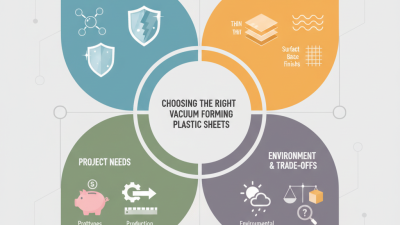
Selecting large plastic sheets starts with the working environment, not the lowest quotation. For outdoor panels, UV-stabilized polycarbonate or high-density polyethylene may offer better durability. For chemical handling, polypropylene can be a practical option. PVC suits some rigid partitions, but temperature limits must be checked carefully. Measure the required length, width, thickness, and flatness tolerance before contacting suppliers. A 3,000-millimeter sheet can become difficult to transport and store.
Ask for technical data, safety information, production tolerances, and recent test reports. Confirm whether the stated thickness is nominal or measured at several points. Request a small sample when surface finish or color matters. I have seen buyers approve a smooth sample, then receive sheets with slight waviness across the full panel. Large surfaces reveal defects quickly. That lesson is easy to forget.
Sourcing also requires practical supplier checks. Review factory capacity, inspection procedures, packaging methods, and export experience. Ask how sheets are protected from moisture, scratches, and bending during transit. Confirm pallet dimensions before booking freight. Compare total landed cost, not only the unit price. Include tooling, testing, inland transport, duties, and possible waste. Independent inspection can verify dimensions and quantity before shipment. It adds cost, but one rejected container costs more. Specifications may still need revision after a real trial. That is not failure; it is useful evidence.
2026 Top Types of Large Plastic Sheets for Global Buyers
Typical density is a practical first filter when comparing large plastic sheets. Lower-density materials can reduce shipping weight, while higher-density materials may offer greater rigidity or surface hardness.
How to select and source: Choose HDPE or PP for lightweight, chemical-resistant applications; rigid PVC for stiffness and cost efficiency; polycarbonate for high impact resistance; and PMMA for optical clarity and weather-resistant transparent panels. Before ordering, confirm thickness, sheet width and length, dimensional tolerance, UV stabilization, color, surface finish, fire rating, test standards, packaging, and export documentation.
Representative nominal density values: HDPE 0.95, PP 0.91, rigid PVC 1.40, polycarbonate 1.20, and PMMA 1.18 g/cm³. Actual values vary by grade, additives, reinforcement, and manufacturing process. Density testing is commonly specified under ISO 1183 or ASTM D792.