What is an Air Cooled Unit and How Does It Work?
Air Cooled Units are essential in various industrial applications. They operate by utilizing ambient air to dissipate heat, making them energy-efficient. According to the U.S. Department of Energy, around 20% of cooling systems use air cooling technology. This showcases its significant role in energy consumption.
These units are commonly found in process cooling, HVAC systems, and refrigeration. They are favored for their simplicity and low maintenance requirements. However, not all air cooled units perform equally well. Performance can vary based on environmental conditions and installation practices. Some units may struggle in extremely high temperatures, reducing efficiency.
Understanding the nuances of air cooled units is vital for optimizing their use. Maintenance practices can greatly influence their operational longevity. Regular inspections and cleaning are often overlooked, leading to inefficient performance. Recognizing these challenges can empower users to make better choices in cooling solutions.
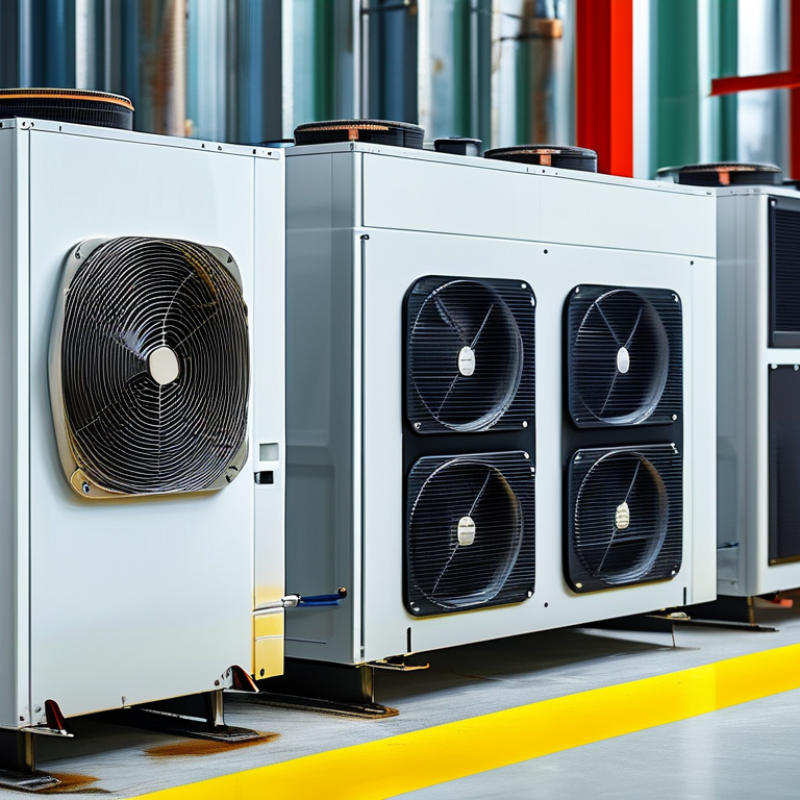
What is an Air Cooled Unit?
An air-cooled unit is a vital component in many heating, ventilation, and air conditioning (HVAC) systems. These units rely on air to remove heat from refrigerants. As air flows through the coil, it absorbs heat and cools the refrigerant, which cycles back into the system. This method is efficient and widely used in residential and commercial applications.
Data from the U.S. Department of Energy indicates that air-cooled units are especially beneficial in moderate climates. They can efficiently operate when ambient temperatures are lower. Performance can vary with outdoor conditions, making it essential to monitor the system's functioning. While some units may experience reduced efficiency at higher temperatures, advancements in technology have aimed to optimize performance.
Despite their advantages, air-cooled units may face some drawbacks. They often have a larger footprint than water-cooled systems. Additionally, outdoor debris can hinder efficiency, requiring regular maintenance. Manufacturers recommend cleaning coils and inspecting fans to ensure optimal functionality. Users should be mindful that neglecting these tasks can lead to decreased performance and higher energy costs.
Key Components of an Air Cooled Unit
Air cooled units play a crucial role in many industrial and commercial applications. Understanding the key components of these units is essential for anyone interested in their operation. The core components include the compressor, condenser, evaporator, and expansion valve.
The compressor is responsible for circulating refrigerant through the system. It increases the refrigerant’s pressure and temperature. According to the International Institute of Refrigeration, compressors account for roughly 40% of energy consumption in cooling systems. The condenser is another critical component. It cools and condenses the refrigerant from vapor to liquid form. When working correctly, it efficiently releases heat into the environment.
The evaporator absorbs heat from the air or process fluid, cooling the surrounding area. This component often requires regular maintenance to ensure optimal performance. Lastly, the expansion valve regulates the flow of refrigerant, allowing it to expand and absorb heat effectively. Research by the American Society of Heating, Refrigerating and Air-Conditioning Engineers noted that improper functioning of expansion valves can lead to energy inefficiencies and increased operational costs. Understanding these components helps in diagnosing issues, improving efficiency, and ensuring reliable operation.
Principle of Operation for Air Cooled Units
Air cooled units operate on a straightforward principle. They use ambient air to dissipate heat. This method proves effective in various settings, from industrial plants to residential buildings. An air cooled unit consists of a heat exchanger, a fan, and controls. The process begins with a refrigerant absorbing heat from the indoor air. The refrigerant then circulates to the outdoor unit, where the fan expels heat into the environment.
Research from the Air Conditioning, Heating, and Refrigeration Institute indicates that air cooled systems can be up to 15% more efficient than traditional water cooled units. Their energy consumption directly affects operational costs. The design of these units allows for easier maintenance, but they require a sufficient air flow. Poor airflow can lead to overheating. In fact, many technicians report issues stemming from blocked air intakes or dirty filters.
Efficiency ratings for air cooled units hinge on proper operation. A well-functioning unit typically boasts a Seasonal Energy Efficiency Ratio (SEER) rating between 14 and 25. However, failures often arise from inconsistent maintenance. Regular checks are crucial for optimal performance. Neglecting routine upkeep can drive up energy costs and decrease lifespan. Thus, understanding and monitoring this essential equipment can significantly influence overall efficiency.
What is an Air Cooled Unit and How Does It Work? - Principle of Operation for Air Cooled Units
| Dimension | Description | Typical Values |
| Cooling Capacity | The maximum amount of heat an air cooled unit can remove. | 5-20 tons |
| Energy Efficiency Ratio (EER) | The ratio of the cooling capacity to the energy consumption. | 10-14 (Btu/W·h) |
| Operating Temperature Range | The ambient temperature range in which the unit operates effectively. | -20°C to 50°C |
| Refrigerant Type | The chemical used in the refrigeration cycle. | R-410A, R-32 |
| Noise Level | The sound produced during operation, measured in decibels (dB). | 50-70 dB |
| Maintenance Frequency | How often the unit should be serviced for optimal performance. | Annual |
Advantages of Using Air Cooled Units
Air-cooled units are popular in various settings, especially where water sources are limited. One key advantage of these systems is their simplicity. They do not require complex water piping or cooling towers. This aspect makes their installation straightforward and less costly. With fewer components, maintenance is generally easier compared to water-cooled systems.
Another benefit is their versatility. Air-cooled units can be used in both residential and commercial environments. They are perfect for spaces with high ambient temperatures. Moreover, they tend to have a lower environmental impact. Since they do not use water, they help conserve this vital resource.
However, air-cooled units may struggle in extremely hot conditions. Their efficiency can drop significantly during peak summer months. This is something to consider when planning for cooling needs. Understanding these trade-offs is essential for making informed decisions on climate control solutions. Proper assessment of the environment will aid in maximizing the benefits of air-cooled units.
Common Applications of Air Cooled Units
Air cooled units are widely used in various industries. They are essential in climate control systems, refrigeration, and manufacturing processes. These units offer efficiency and flexibility, often requiring less maintenance compared to water-cooled counterparts. A report by the American Society of Heating, Refrigerating and Air-Conditioning Engineers (ASHRAE) highlights that air cooled units are becoming more prevalent, making up about 60% of the market.
In commercial applications, air cooled units are often found in supermarkets and data centers. These environments require reliable cooling solutions to maintain product quality and prevent system failures. For instance, a study from the International Journal of Refrigeration indicates that proper cooling can enhance the lifespan of electronic components by up to 30%. This is crucial for businesses looking to minimize downtime and reduce repair costs.
Tips: Regular maintenance is key. Check filters monthly. Clean coils to enhance efficiency. Always monitor ambient temperatures to avoid system overload. Slight oversizing can lead to inefficiencies. Adjust accordingly.
Air cooled units also play a vital role in residential HVAC systems. They are popular for their compact size and ease of installation. However, they may struggle in extreme heat, which can lead to reduced efficiency. A focus on environmental sustainability is pushing for innovations in these systems, but manufacturers often face challenges in balancing cost and performance.