Top 10 Aluminium CNC Machining Trends at 2026 Canton Fair?
As the 2026 Canton Fair approaches, Aluminium Cnc Machining is at the forefront of innovation. Industry expert John Smith, a leading figure in advanced manufacturing, once stated, "The future of Aluminium CNC Machining lies in precision and efficiency." This remark highlights the clear direction the industry is heading as new technologies emerge.
The Canton Fair, scheduled for April, will showcase the latest trends in this field. AI-driven tools will enhance the efficiency of sourcing suppliers. Buyers can quickly find qualified vendors with necessary certifications like ISO and CE. This change is significant for attendees navigating the expansive 155,000 square meter venue.
However, with innovation comes challenges. Not every company is adopting these new technologies effectively. Many still rely on outdated practices that may hinder progress. Reflecting on this, the community must strive to balance tradition with modern techniques. The Aluminium CNC Machining sector will need to adapt continuously as it faces new demands and expectations.
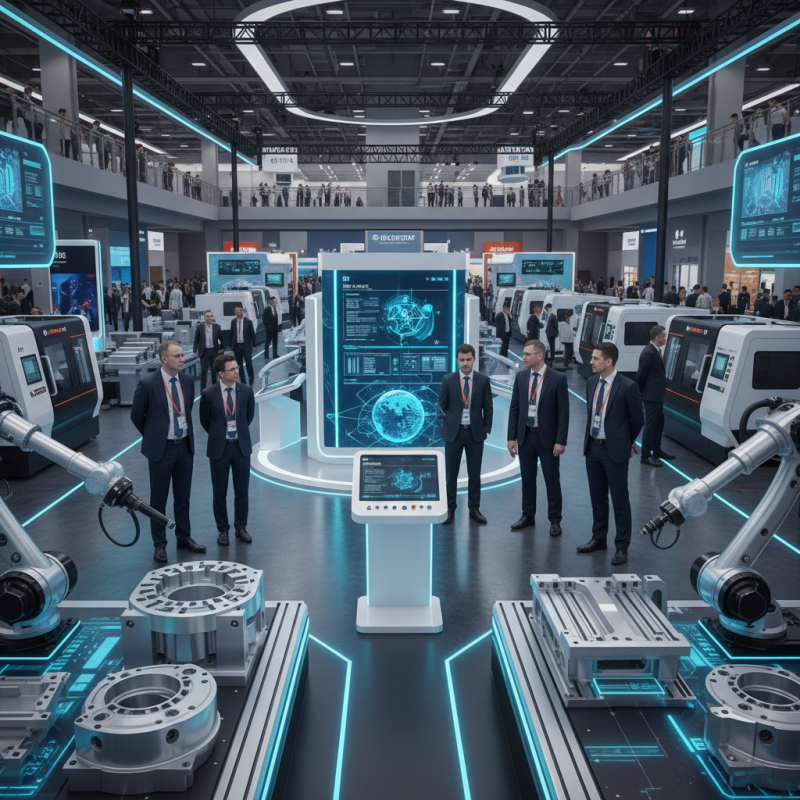
Emerging Technologies in Aluminium CNC Machining at Canton Fair 2026
Emerging technologies in aluminium CNC machining are set to transform the industry. At the Canton Fair 2026, attendees will witness advancements in automation. Robotics will streamline processes, improving efficiency and accuracy. Smart algorithms will analyze data in real-time, enhancing decision-making.
Additive manufacturing is gaining traction as well. It enables complex designs that traditional methods cannot achieve. However, some struggles remain with material compatibility and printing speeds. In contrast, hybrid machining integrates both subtractive and additive techniques. This offers flexibility, yet can require more programming knowledge, posing a challenge to some manufacturers.
Sustainability remains a hot topic. Recycling aluminium waste can reduce costs and environmental impact. Yet, many companies have yet to fully implement these practices. There’s still a long way to go in terms of fully embracing green innovations. As the fair unfolds, discussions on these emerging technologies will be crucial for future trends in CNC machining.
Innovative Applications of Aluminium CNC Machining in Diverse Industries
Aluminium CNC machining has become vital across various industries. It offers precision and flexibility in creating complex components. In sectors like aerospace, manufacturers rely on CNC machining for lightweight yet strong parts. These parts improve fuel efficiency while maintaining performance standards. The demand keeps rising, pushing engineers to innovate.
In automotive, aluminium components are gaining popularity. They're essential for electric vehicles, helping reduce overall weight. With CNC machining, firms can customize parts quickly and efficiently. This is crucial in meeting evolving consumer demands. However, challenges in recycling and material waste need addressing. Striking a balance between production and sustainability remains a concern.
In the consumer electronics sector, aluminium CNC machining enhances product aesthetics and functionality. Sleek designs attract consumers, but the manufacturing process can be wasteful. Companies often dispose of excess materials, reflecting a need for better strategies. Innovations in tooling and processes can help optimize efficiency while minimizing waste. These improvements are essential for the future of aluminium CNC machining.
Sustainability Trends in Aluminium CNC Machining Exhibited at Canton Fair
The Canton Fair in 2026 showcases a growing emphasis on sustainability in aluminium CNC machining. More exhibitors present eco-friendly solutions. Sustainable materials and processes catch the eye of visitors this year. Manufacturers are exploring recycled aluminium options. This shift reduces environmental impact while maintaining quality.
Innovative techniques are on display. Many companies adopt renewable energy in their operations. Water conservation methods are also highlighted. Striving for a minimal carbon footprint is a common goal. Yet, some manufacturers still face challenges in implementing these practices. Sometimes, commercial pressures lead to compromises.
The industry must reflect on these choices. Balancing sustainability with production efficiency can be tough. There are instances where eco-friendly products are costlier. This can deter companies from fully committing to sustainable practices. Engaging dialogues at the Fair reveal an industry in transition. The journey toward greener machining is ongoing, with room for improvement.
Future Market Trends for Aluminium CNC Machining Post 2026 Fair
The future of aluminium CNC machining looks promising, especially after the insights gained from the 2026 Canton Fair. Emerging trends indicate a shift towards automation and smart technology integration. More manufacturers are investing in AI-powered CNC machines. These innovations allow for precision machining with minimal human intervention. Efficiency is increasing, yet this raises questions. Can smaller businesses keep up?
Sustainability is another major trend. Eco-friendly practices are becoming essential. Companies are prioritizing recyclable materials in their processes. However, adopting green practices may require upfront investment that not every business can afford. This leads to a dilemma for manufacturers caught between costs and environmental responsibility.
Customization is also on the rise. Clients now demand tailored solutions. This shift towards personalized machining requires manufacturers to adapt quickly. Yet, the challenge lies in balancing customization with production efficiency. Companies may struggle to meet unique specifications without sacrificing speed. Clearly, the path forward is complex and filled with challenges that demand careful consideration.
Top 10 Aluminium CNC Machining Trends at 2026 Canton Fair
| Trend | Description | Expected Growth (%) | Impact Factors |
| Smart Manufacturing | Integration of IoT and AI for process optimization | 15% | Technological advancements, demand for efficiency |
| Sustainability Practices | Adoption of eco-friendly materials and processes | 20% | Regulatory pressure, consumer preference |
| Automation | Increased use of automated systems in production | 25% | Labor costs, speed of production |
| Advanced Materials | Developments in high-performance aluminium alloys | 18% | Material science innovations, industry demands |
| Customization | Tailored solutions for specific customer needs | 30% | Market competition, client demands |
| Additive Manufacturing | Utilization of 3D printing for parts production | 22% | Innovation, rapid prototyping needs |
| Collaborative Robotics | Human-robot collaboration in machining processes | 17% | Safety regulations, efficiency improvements |
| Data Analytics | Leveraging data for predictive maintenance | 19% | Technological integration, operational efficiency |
| Supply Chain Transparency | Focus on supply chain traceability and accountability | 16% | Consumer awareness, brand reputation |
Key Challenges and Solutions in Aluminium CNC Machining Technologies
Aluminium CNC machining faces several challenges as industries evolve. One major issue is the difficulty in achieving precision. Imperfect calibration can result in subpar products. Additionally, tool wear and material inconsistencies can complicate the machining process. Companies must focus on regular maintenance and quality checks to mitigate these issues.
Tips: Maintain your machines regularly. Check calibrations often. Even minor misalignments can lead to big problems.
Another challenge lies in the fast pace of technological advancements. Adapting to new software and equipment can be overwhelming. Companies may struggle with training their workforce to effectively use these technologies. Investing in continuous education is essential to avoid stagnation in production capabilities.
Tips: Encourage team workshops. Share knowledge among staff. A well-informed team is more adaptable to changes.
Lastly, supply chain disruptions can impact the availability of quality aluminium. Businesses need to establish reliable sources for raw materials. Diversifying suppliers can reduce risks associated with shortages. However, this approach requires careful planning and financial investment.
Tips: Build strong supplier relationships. Stay informed about market trends. Preparation is key to staying competitive.