What Is Amino Tryptophan and What Is It Used For?
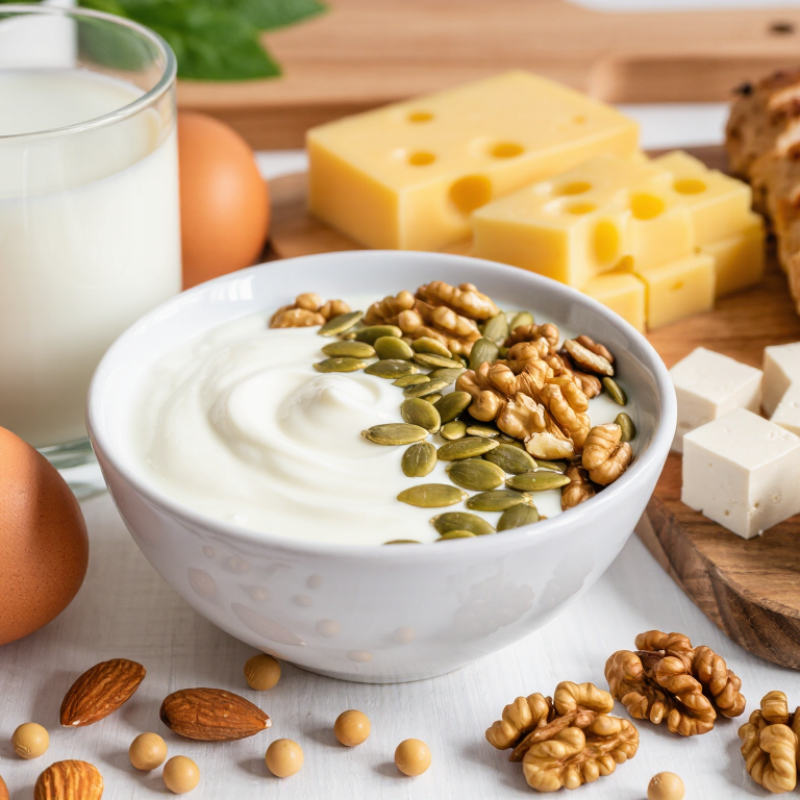
Amino Tryptophan is a common name for tryptophan, an essential amino acid your body cannot make on its own. It must come from food or, when appropriate, a supplement. You can find it in eggs, dairy, poultry, soy, nuts, and seeds. Think of a bowl of yogurt with pumpkin seeds: ordinary foods can supply it without making nutrition feel like a chemistry lesson.
Your body uses tryptophan to make proteins and to produce compounds involved in normal body functions, including serotonin and melatonin. These pathways are complex. More tryptophan does not automatically mean better sleep or mood. McGill University psychiatry professor Dr. Simon N. Young’s research offers a useful caution: serotonin biology cannot be reduced to one nutrient. That is a paraphrase of his broader work, not a direct quotation.
So, what is Amino Tryptophan used for? In nutrition, it helps meet the body’s amino acid needs. Some people also explore tryptophan supplements for specific wellness goals, but benefits and risks depend on personal health, dose, and other medicines. Evidence is not a promise. A supplement label cannot tell your full story.
This guide explains its food sources, biological role, potential uses, and safety questions. It also separates established facts from claims that deserve closer scrutiny. A small limitation matters: nutrition studies do not always predict how one person will feel. If you are considering a supplement, ask a qualified healthcare professional, especially if you take medication or have a health condition. Start with clear questions, not assumptions.
What Is Tryptophan and How Does Its Structure Shape Its Role?
Tryptophan is an essential amino acid: the body cannot make enough, so food must supply it. Its structure helps explain its varied roles. A central carbon carries an amino group and a carboxyl group, while a distinctive indole ring extends from its side chain. That ring gives tryptophan its aromatic character and helps shape how enzymes recognize and process it. Small structure, broad reach.
In proteins, tryptophan contributes to folding and molecular interactions. Outside protein building, the body can use it to produce serotonin and melatonin, and convert some through the kynurenine pathway toward niacin. These routes depend on metabolism and other nutrients; they are not simple switches. The National Academies’ Dietary Reference Intakes report sets the adult recommended allowance at 5 milligrams per kilogram of body weight daily. For a 70-kilogram adult, that is 350 milligrams per day. It is a planning benchmark, not a personal prescription. Food sources include eggs, fish, poultry, dairy, soy, and seeds. I find the pathway easy to oversimplify: eating more tryptophan does not guarantee a predictable change in mood or sleep.
How Does Tryptophan Function in the Human Body?
Tryptophan is an essential amino acid: the body cannot make enough, so food must supply it. It helps build proteins and serves as a starting material for serotonin, melatonin, and kynurenine compounds. These pathways support functions including nerve signaling, sleep timing, and normal metabolism. Tryptophan is not a simple mood switch. Its effects depend on how the body processes it and on broader health factors.
The WHO, FAO, and UNU’s 2007 report on protein and amino acid requirements sets an adult tryptophan requirement of 4 milligrams per kilogram of body weight each day. For a 70-kilogram adult, that equals about 280 milligrams. Foods such as eggs, dairy, poultry, fish, soy, and seeds contribute tryptophan as part of their protein. After digestion, the amino acid enters the bloodstream and can be used to make proteins or feed other pathways. The exact destination varies; a meal cannot reliably predict how someone will feel or sleep.
Tips: Build meals around varied protein sources, such as yogurt at breakfast or beans at lunch. Look at the whole diet, not one “sleep food.” If you are considering supplements, ask a qualified health professional, especially if you take medication. Nutrient pathways are complex, and nutrition advice can be less certain than it sounds.
Which Foods Provide Tryptophan?
Tryptophan is an essential amino acid, so food must supply it. USDA FoodData Central lists it in many everyday protein foods. Its records put roasted turkey at roughly 250 milligrams per 100 grams, while cooked chicken is in a similar range. The exact amount changes with the cut and cooking method. A serving does not need to be enormous.
Plant foods count, too. USDA data list dried pumpkin seeds at about 570 milligrams per 100 grams; a 30-gram handful provides roughly 170 milligrams. Oats offer around 180 milligrams per 100 grams, and cooked eggs about 160 milligrams. Cheddar and other cheeses can also contribute meaningful amounts. Small portions add up. These figures are food-composition estimates, not guarantees for every product. Labels rarely show tryptophan specifically, so dietary variety is a practical guide. Pairing grains, seeds, eggs, dairy, or poultry across meals can help meet protein needs; no single food promises better sleep or mood. I would treat the database numbers as useful comparisons, not a precise shopping target.
What Is Amino Tryptophan and What Is It Used For? - Which Foods Provide Tryptophan?
| Topic | Details | Examples or notes |
| What tryptophan is | Tryptophan is an essential amino acid, meaning the body cannot make enough of it and must obtain it from food. | It is present in many protein-containing foods. |
| Protein building | The body uses tryptophan, along with other amino acids, to make proteins. | Protein is needed for the structure and maintenance of body tissues. |
| Serotonin and melatonin | The body can use tryptophan to make serotonin and, through further steps, melatonin. | These substances are involved in processes including mood regulation and sleep-wake timing; eating tryptophan does not guarantee a specific effect. |
| Niacin production | Some tryptophan can be converted into niacin (vitamin B3) in the body. | The amount converted depends on factors such as overall nutrition and individual metabolism. |
| Pumpkin seeds | About 570 mg per 100 g | Dried seeds; a concentrated plant-based source. |
| Chicken breast | About 250 mg per 100 g | Cooked, skinless meat; values vary with cut and preparation. |
| Turkey breast | About 250 mg per 100 g | Cooked meat; a source of tryptophan as well as other amino acids. |
| Salmon | About 250 mg per 100 g | Cooked fish; the exact amount varies by species and cooking method. |
| Cheddar cheese | About 320 mg per 100 g | A protein-containing dairy food; nutrient content varies among cheeses. |
| Peanuts | About 250 mg per 100 g | Values are approximate and depend on the form and preparation. |
| Eggs | About 170 mg per 100 g | Whole eggs provide tryptophan along with other nutrients. |
| Oats | About 180 mg per 100 g | Dry oats; cooked servings contain less per 100 g because they absorb water. |
| How to read the food values | Amounts are approximate milligrams per 100 g and can vary with food variety, brand-free preparation, cooking, and data source. They are not a measure of how much tryptophan the body will convert into other substances. |
How Is Tryptophan Used in Supplements and Clinical Care?
Tryptophan is an essential amino acid found in foods such as eggs, poultry, dairy, beans, and seeds. The body uses it to make proteins and compounds including serotonin and melatonin. Those roles help explain its presence in supplements marketed for sleep or mood, but they do not prove that a supplement will improve either. Effects can vary, and the evidence is uneven. That deserves caution.
In clinical care, tryptophan is usually considered as part of overall nutrition, not a stand-alone treatment for insomnia or depression. A clinician may review diet, symptoms, medical history, and medicines before discussing supplementation. Tryptophan can cause drowsiness and may interact with medicines that affect serotonin, including some antidepressants. Do not start it or change a prescribed medicine without professional advice. The details matter.
Tips: Check the supplement label for the amount per serving, and avoid combining products without reviewing their ingredients. Keep a simple note of sleep, symptoms, and any side effects. Share that record with a clinician. If symptoms persist, seek an assessment rather than assuming low tryptophan is the cause.
What Safety Considerations and Interactions Should Be Known?
Amino tryptophan usually refers to L-tryptophan, an amino acid used by the body to make serotonin and melatonin. Supplements may be taken for sleep or mood, but benefits are not guaranteed. Products and doses can vary, and supplement labels are not always as clear as they should be. A clinician or pharmacist can help assess whether it suits your health and current medicines.
The key concern is combining tryptophan with medicines that raise serotonin, including some antidepressants and migraine treatments. Such combinations may cause serotonin syndrome, a potentially serious reaction. Warning signs include agitation, sweating, shaking, diarrhea, fever, or a fast heartbeat. Seek urgent medical care if these symptoms occur. Tryptophan may also increase drowsiness with alcohol or sedating medicines. Ask a healthcare professional before use if you are pregnant, breastfeeding, or have a chronic health condition. Do not stop prescribed medicine to take a supplement.
Tips: Share the exact product label and a full list of medicines with your pharmacist. Avoid taking more than the label or clinician recommends, and do not combine sleep supplements casually. Keep track of new symptoms, even mild ones. That small step can reveal a pattern.