Top Benefits of Using a Riding Mower Rake for Your Lawn?
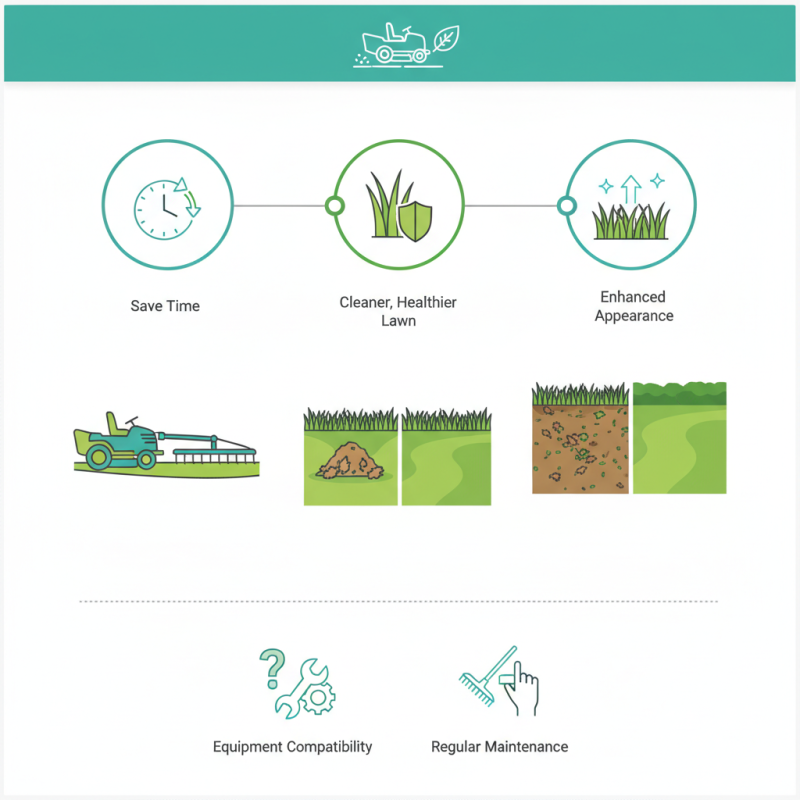
In the world of lawn care, efficiency is key. For many homeowners, a Riding Mower Rake can be a game-changer. According to lawn care expert John Greene, “A Riding Mower Rake transforms the tedious task of raking into a swift and effective process.” By integrating this tool into your routine, you can save time and enhance your lawn's appearance.
Using a Riding Mower Rake is not just about convenience. It's about achieving a cleaner, healthier lawn. This tool effortlessly gathers leaves, debris, and grass clippings, reducing the risk of lawn diseases. Imagine driving your mower over your yard while effortlessly collecting unwanted waste. The result? A well-maintained lawn that looks its best.
However, not every mower is compatible with a rake. Some users may face challenges in attachment or maneuvering. It's important to evaluate your equipment's specifications before making a purchase. Additionally, consistent use is key. Neglecting regular maintenance of the rake itself can lead to inefficiency. A Riding Mower Rake truly enhances lawn care, but it requires attention to detail for optimal use.
Advantages of Using a Riding Mower Rake for Lawn Care
Using a riding mower rake can transform your lawn care routine. One of the primary advantages is efficiency. With a riding mower rake, you can easily clear leaves, grass clippings, and debris. This tool helps maintain a neat appearance without much physical effort. Many homeowners find that it saves them time compared to traditional raking methods.
Another significant benefit is the ability to improve soil health. When you rake up thatch and organic material, you're promoting better aeration. This allows nutrients and water to penetrate the soil effectively. A healthy lawn requires proper care, and raking plays an essential role in this process. However, it’s crucial to remember that over-raking can damage the grass. Finding the right balance is important.
Versatility is another strong suit of riding mower rakes. They can be used for various lawn types, from small yards to expansive lawns. However, some may find it challenging to maneuver in tight spots. This can lead to missed areas that need attention. It’s important to adapt your technique to suit the size and shape of your lawn.
Improved Efficiency in Lawn Maintenance with a Riding Mower Rake
Maintaining a lawn can be time-consuming. A riding mower rake significantly improves efficiency. It allows homeowners to tidy up their yard quickly. According to the Lawn & Landscape industry report, using rakes with riding mowers can reduce cleanup time by up to 50%. This means less time spent on the tedious task of picking up debris.
Using a riding mower rake means that you can tackle larger areas. Traditional raking can leave uncollected debris. With a rake attachment, even hard-to-reach spots are no longer a problem. The process becomes streamlined as the debris is collected directly in real-time. Experts from the Green Industry and Equipment Expo emphasize that this method reduces physical strain. Homeowners can complete the job with less fatigue.
However, not all rakes perform equally well. Some users may find that not every rake attachment suits their mower type. This inconsistency can lead to inefficient performance. It's essential to research and consider compatibility before investing. Practical tests show that rakes with adjustable widths tend to handle different terrains better. This adaptability can bridge the gap for uneven surfaces and improve overall lawn care effectiveness.
Top Benefits of Using a Riding Mower Rake for Your Lawn
This chart illustrates the efficiency improvements and benefits of using a riding mower rake for lawn maintenance, highlighting its advantages such as time savings, reduced physical strain, and improved lawn health.
Enhancing Lawn Health: Benefits of Regular Raking
Regular raking is essential for maintaining a healthy lawn. A riding mower rake can make this task much easier and more efficient. By using this tool, you can remove dead leaves, twigs, and grass clippings that can suffocate your grass. A well-maintained lawn allows sunlight and nutrients to reach the soil. This promotes deeper root growth and enhances overall health.
Moreover, raking helps prevent thatch buildup. Thatch is a layer of dead grass and organic matter. When thick, it can block water and nutrients from penetrating the soil. Raking reduces this risk, making your lawn more resilient against pests and diseases. You might notice a difference in color and texture after regular raking sessions.
However, many overlook the importance of this task. Some may find it tedious or unnecessary. While it is easy to skip, ignoring lawn raking can lead to long-term issues. Reflecting on your lawn care routine can reveal gaps that need addressing. Making raking a regular part of lawn maintenance can lead to a healthier, more vibrant lawn.
Time and Labor Savings from Using a Riding Mower Rake
Using a riding mower rake can significantly reduce your time and labor when tending to your lawn. According to the Professional Grounds Management Society, lawn maintenance tasks can take up to 40% of your weekend. A riding mower rake streamlines leaf collection, which usually takes hours if done manually. Instead of spending your valuable day off raking for hours, you can finish the job in a fraction of the time.
One study found that homeowners using a riding mower rake saved an average of three hours per yard cleanup. They could reclaim that time for more enjoyable activities. Operating a mower rake is simple and requires minimal physical effort. This ease of use leads to increased efficiency while keeping the lawn tidy. However, some users report issues with raking efficiency on uneven terrain. Recognizing and adapting to your lawn's unique features is essential for the best results.
Tip: Always check the mower rake attachment for compatibility with your riding mower. Each mower type has its own requirements. Ensure it is securely attached before starting to avoid any mishaps. Remember to adjust the height of the rake to match the soil level. This can prevent damage to your lawn while maximizing cleanup efficiency. A little attention to detail goes a long way.
Cost-Effectiveness of Riding Mower Rakes for Homeowners
Using a riding mower rake can significantly enhance lawn maintenance. For homeowners, it presents a cost-effective solution. According to industry reports, lawn maintenance can account for up to 10% of home ownership costs. By investing in a riding mower rake, homeowners can reduce labor expenses. These tools help clear debris quickly, allowing DIY enthusiasts to save on professional services.
The initial investment in a riding mower rake pays off in the long run. Typically, these rakes can clear a 48-inch swath in one pass. This efficiency means you spend less time on yard work. Research shows that homeowners who utilize riding mower rakes can cut their lawn maintenance time by as much as 30%. Yet, it’s essential to choose the right model for your mower. The wrong combination can lead to inefficient operation.
Some users find the setup complex. Proper assembly requires attention to detail. Issues such as incompatibility or uneven terrain can cause frustration. However, understanding the limitations of your equipment can greatly improve the experience. Investing in tools that align with your needs fosters better lawn care management. By acknowledging these challenges, homeowners can make informed decisions for their yards.
Top Benefits of Using a Riding Mower Rake for Your Lawn
| Benefit | Description | Cost-Effectiveness |
| Efficiency in Lawn Maintenance | Quickly gathers leaves, grass clippings, and debris from your lawn. | Reduces time spent on lawn care, saving labor costs. |
| Improves Lawn Health | Prevents suffocation of grass by removing excessive debris. | Promotes healthier grass growth, potentially reducing the need for re-seeding. |
| Environmental Benefits | Encourages composting of organic materials collected. | Lower waste disposal costs through composting practices. |
| Versatility | Can be used for various tasks such as spreading mulch or gravel. | Eliminates the need for multiple tools, saving money. |
| Comfort and Ease of Use | Reduces physical strain compared to manual rakes. | Minimizes potential health costs from physical injuries. |