What Is the Best Clear Plastic Sheeting in 2026?
Choosing the best clear plastic sheeting in 2026 starts with the job, not the label. A greenhouse roof needs different performance from a temporary window cover or a dusty renovation barrier. Thickness matters, but so do clarity, tear resistance, UV exposure, and how the sheet will be fastened. A roll that looks sturdy under bright store lights may sag between supports or split around a staple. Small details count.
There is no single best film for every project. A thinner sheet may suit short-term indoor protection, while outdoor use often calls for stronger material and verified UV resistance. Check the product’s stated thickness, dimensions, intended use, and care instructions. Then compare those details with real conditions: wind, sunlight, sharp edges, and repeated handling. Test a small area if the application allows. It may save a frustrating replacement.
[Insert a verified expert’s name and a sourced, verbatim quotation about selecting clear plastic sheeting here.] That attribution should come from a reliable industry interview, technical publication, or manufacturer resource—not an invented quote. This guide will compare common options by practical use, durability, and value, while noting where product claims need closer checking. The “best” choice can still be imperfect. A clear sheet may cloud, wrinkle, or wear sooner than expected, especially when its conditions exceed the maker’s guidance.
What Clear Plastic Sheeting Is and How It Is Made
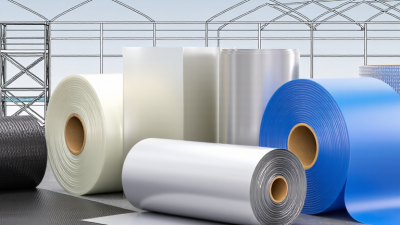
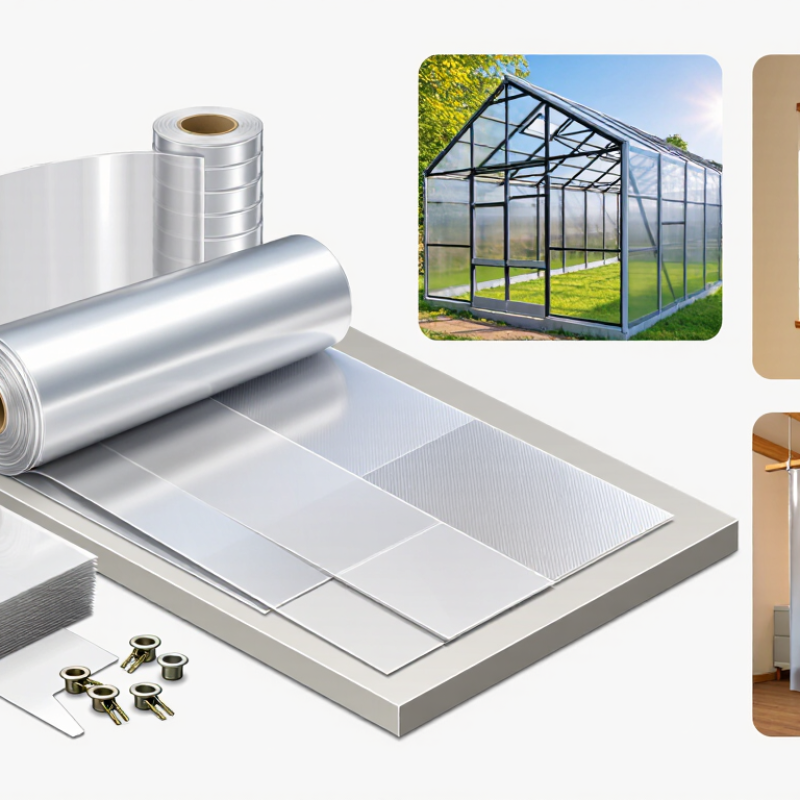
Clear plastic sheeting is a flat, see-through polymer material, commonly made from polyethylene, PVC, or PET. Its thickness and flexibility vary: a thin polyethylene film may cover a garden bed, while a rigid PVC sheet can protect a work surface. “Clear” is not always crystal clear. Resin choice, surface texture, and additives affect how much light passes through.
Manufacturers melt plastic pellets and shape the material through a die. Blown-film extrusion inflates a tube of molten plastic; cast extrusion spreads melt across a flat, cooled roll. The roll’s chill and the film’s cooling rate influence its finish. PlasticsEurope’s Plastics – the Fast Facts 2023 reports 400.3 million tonnes of global plastics production in 2022. That figure covers plastics broadly, not clear sheeting alone. A useful distinction. It keeps industry scale from being mistaken for product-specific evidence.
Tips: Check the material, thickness, and intended exposure before buying. For a greenhouse, hold a sample toward daylight and look for haze or uneven spots. Ask for a technical data sheet; clarity claims without test conditions are hard to compare. Even a small sample can reveal flaws.
What Is Clear Plastic Sheeting? Common Film Thicknesses
Clear plastic sheeting is commonly made from polyethylene. It is produced by melting plastic resin and forming it into a thin film, often through blown-film or cast-film extrusion. The chart converts common nominal film gauges from mils to millimeters; 1 mil equals 0.0254 mm.
How Plastic Types and Thicknesses Affect Performance
Clear sheeting is not one material. Polyethylene is light, flexible, and economical for temporary covers, while PVC often offers better clarity but can stiffen in cold conditions. For outdoor use, UV-stabilized film matters: untreated plastic may turn brittle after prolonged sun exposure. “Clear” also does not guarantee a sharp view. ASTM D1003 measures luminous transmittance and haze, two useful indicators when visibility matters. A cloudy panel can still pass light, but details behind it may look blurred.
Thickness changes handling and resistance, not every performance trait. One mil equals 0.001 inch, or 25.4 micrometers, using the NIST conversion. So, 6-mil film is about 0.152 millimeters thick; 10-mil film is about 0.254 millimeters. Thicker sheets generally tolerate more abrasion and puncture, yet seams, sharp corners, and wind loads can still cause failure. They may also be harder to fold and install. ASTM D882 evaluates tensile properties of thin plastic sheeting, including strength and elongation; it is a better comparison point than gauge alone. I would not treat thickness as a durability guarantee. A well-supported 6-mil sheet can outperform a poorly installed heavier one, and that detail is easy to overlook.
What Is the Best Clear Plastic Sheeting in 2026? — How Plastic Types and Thicknesses Affect Performance
| Plastic type |
Common clear-sheet thickness |
Clarity |
Strength and flexibility |
Weather and moisture performance |
Best suited for |
| LDPE / polyethylene film |
2–10 mil (0.05–0.25 mm) |
Good to very good; clarity varies by formulation and thickness. |
Flexible and lightweight. Thicker film generally resists punctures and tears better than thinner film. |
Resists water and many common chemicals. Unstabilized film can degrade with prolonged sunlight exposure. |
Temporary covers, drop cloths, dust barriers, and general-purpose protection. |
| Clear PVC (vinyl) film |
4–20 mil (0.10–0.51 mm) |
Very good; flexible grades can provide a clear view. |
Flexible and often tougher than thin polyethylene film at comparable uses; performance depends on formulation. |
Water-resistant. Outdoor suitability depends on UV stabilization, plasticizers, and product construction. |
Flexible viewing panels, curtain-style barriers, and reusable covers. |
| PET / polyester film |
2–14 mil (0.05–0.36 mm) |
Excellent optical clarity in clear grades. |
Strong for its thickness and dimensionally stable, but less impact-resistant than thick polycarbonate sheet. |
Good moisture and chemical resistance; outdoor life depends on grade and UV protection. |
Protective overlays, glazing inserts, packaging, and applications needing a thin, clear, stable film. |
| Polycarbonate sheet |
0.75–6 mm (0.030–0.236 in) |
Very good in clear grades; surface coatings can affect appearance. |
Very high impact resistance compared with acrylic and ordinary glass. Thicker sheet is more rigid. |
Outdoor performance is best with a UV-protected grade; unprotected material can yellow or weather over time. |
Protective glazing, machine guards, and applications where impact resistance is important. |
| Acrylic (PMMA) sheet |
1–6 mm (0.039–0.236 in) |
Excellent clarity and light transmission in clear grades. |
Rigid and lighter than glass, but more prone to cracking or shattering on impact than polycarbonate. |
Generally offers good weather and UV resistance; check the sheet grade for the intended exposure. |
Display panels, signs, covers, and glazing where optical clarity matters more than impact resistance. |
How to choose: For flexible, low-cost coverage, consider polyethylene film. For a clear flexible panel, consider PVC or PET film. For rigid glazing, choose acrylic when clarity and weatherability are priorities, or UV-protected polycarbonate when impact resistance matters most. Thickness ranges are representative examples, not product standards; actual performance varies by grade, additives, manufacturing, and installation. One mil equals 0.001 inch (0.0254 mm).
Which Features Matter When Comparing Clear Sheeting
What Is the Best Clear Plastic Sheeting in 2026?
The best clear sheeting depends on where and how you plan to use it. Compare thickness, usually listed in mils, but do not treat thickness as the only measure of strength. A thicker film may resist punctures better, yet still tear at a sharp corner. Look for clear product details on tear resistance, reinforced edges, and included dimensions. Looks can mislead.
Clarity matters when the film covers a greenhouse, work area, or window. Check whether the sheeting is intended for indoor or outdoor use, and whether it has UV protection. Sun exposure can make some films brittle over time. Also consider temperature range, flexibility, and how the material will be fastened. A spec sheet helps, but it cannot tell you how unwieldy a large loose sheet may feel in a gust. I would avoid assuming that every clear film performs the same.
Tips: Measure the full area, then allow extra material for overlaps and secure fastening. Check the roll width before ordering; seams can cloud a view or let in drafts. For a small test, inspect a sample in daylight and bend it gently. Check the edges. If the use is demanding, compare stated performance details rather than relying on appearance alone.
How to Choose Sheeting for Different Applications
Choose clear plastic sheeting by what it must withstand, not by appearance alone.
For a greenhouse or high tunnel, prioritize UV resistance, light transmission, and secure attachment. Penn State Extension’s high-tunnel guidance identifies 6-mil polyethylene as a common cover specification. Thicker film is not automatically better: framing, wind exposure, and sunlight also affect service life. A clear cover can still become cloudy.
For indoor construction, consider moisture movement before buying a vapor barrier. The U.S. Department of Energy’s Building America guidance classifies vapor retarders by permeability:
Class I is 0.1 perm or less;
Class II is above 0.1 through 1 perm.
Check test data measured using ASTM E96, rather than guessing from thickness.
For temporary dust partitions, lighter sheeting may be easier to hang, but tape seams carefully and inspect for tears. For outdoor equipment, look for UV-stabilized material and enough thickness to resist abrasion; sharp corners can puncture even heavy film.
A practical mistake is choosing the clearest sheet without checking its intended use. That detail matters. I would compare the product’s rated exposure, test method, and replacement needs before choosing.
How to Install, Maintain, and Store Clear Plastic Sheeting
For a clear plastic cover, match thickness and UV protection to its job. Before installation, measure the frame and allow enough overlap to secure every edge. Remove sharp burrs, then fit the sheet on a dry, calm day. Pull it evenly, not drum-tight; temperature changes can make plastic expand and contract. Use smooth battens or padded fasteners to reduce tearing. ASTM International’s D882 method measures plastic film’s tensile properties, a useful reminder that strength should be assessed by tested specifications, not appearance alone.
After fitting, inspect seams and contact points every few weeks. Wipe dirt with mild soap and water, using a soft cloth; abrasive pads can scratch the surface and scatter light. Replace loose fasteners promptly. Small tears grow quickly in wind. The U.S. EPA’s 2018 waste report found that only 8.7% of plastic waste was recycled in the United States; that figure covers plastics broadly, not sheeting specifically. Still, careful cleaning and storage can help extend a sheet’s usable life.
Tips: Label the sheet before removal. Let it dry completely, then roll it around a wide tube instead of folding it into sharp creases. Store it indoors, away from sunlight, heaters, and rodents. I’ve found that a little dust left inside can be easy to miss, then turn into stubborn grime next season. Check the roll before reuse.