Best Fluorine Pump Options for Your Industrial Needs?
The search for the best Fluorine Pump options for industrial needs is crucial. As highlighted by Dr. John Smith, a leading expert in fluid dynamics, "Choosing the right pump can minimize failures and enhance operational efficiency." This statement underscores the importance of selecting high-quality fluorine pumps tailored to specific applications.
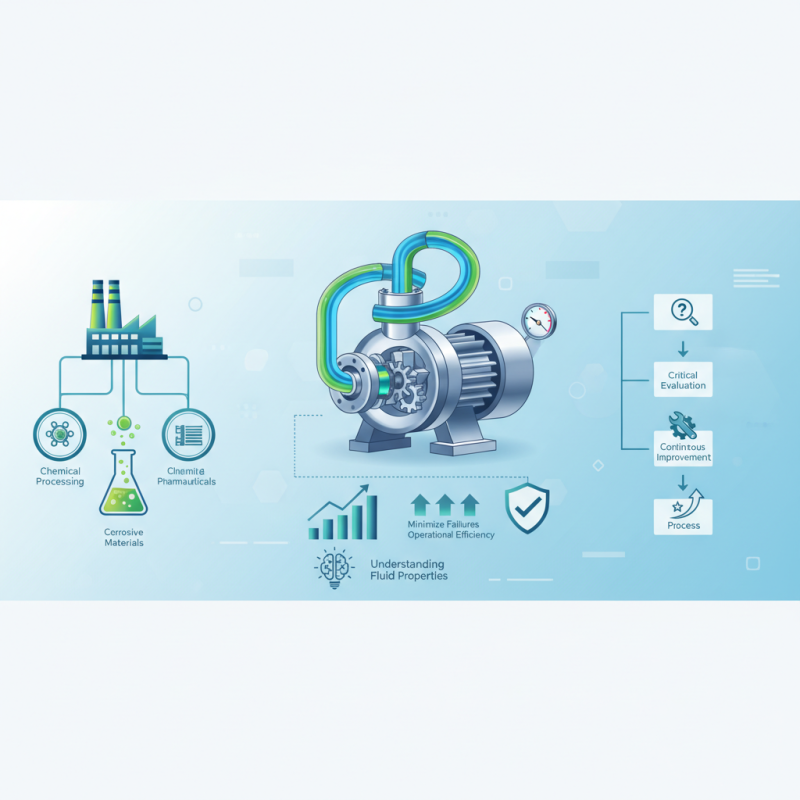
Fluorine pumps play a vital role in various industries, from chemical processing to pharmaceuticals. They must handle highly corrosive materials effectively. Selecting the right fluorine pump requires understanding the unique properties of the fluids involved. Factors like temperature and pressure must be considered carefully. As many processes are sensitive, any misstep can lead to significant issues.
Despite advancements, challenges remain. Some pumps may not meet the required standards. Inconsistent performance can plague even top brands. This calls for critical evaluation and continuous improvement. Evaluating different options ensures a reliable and efficient solution, paving the way for an optimized process in your facility.
Best Fluorine Pump Options: Understanding Material Compatibility
Selecting the right fluorine pump is critical for industries dealing with corrosive materials. Fluorine, being highly reactive, requires special materials for safe handling. The compatibility of materials, such as PTFE and PVDF, plays a vital role in ensuring pump longevity and efficiency.
According to a recent report from the Chemical Engineering industry, equipment failure due to material incompatibility can lead to significant downtime. Approximately 30% of industrial failures stem from poor material selection. This underscores the need for comprehensive understanding in choosing pump materials.
Fluorine pumps must withstand various environmental conditions. High temperatures and pressures can exacerbate material degradation. Therefore, choosing the appropriate fluoropolymer is crucial for operational safety. Utilizing engineering assessments can further minimize risks associated with improper material usage. Balancing cost with compatibility is challenging and requires thoughtful consideration. Actual case studies show a direct correlation between material choice and operational efficiency.
Key Considerations for Selecting Fluorine Pumps in Industrial Applications
When selecting fluorine pumps for industrial applications, several key factors come into play. Understanding the chemical compatibility is crucial, as fluorine is highly reactive. Pumps must be made of materials that can withstand its corrosive nature. According to a report from the Chemical Engineering Journal, inappropriate material choices can lead to pump failures and costly downtimes.
Flow rate and pressure requirements matter too. Industries need to assess the specific demands of their processes. A study by the American Society of Mechanical Engineers indicates that nearly 30% of pump failures are due to incorrect flow specifications. It's essential to match the pump's specifications with the system's needs to maximize efficiency.
Maintenance frequency is another consideration. Fluorine pumps require regular inspection and care, given their demanding operational environment. Data from the International Society for Fluid Dynamics shows that 25% of maintenance costs are attributable to inadequate pump monitoring. Understanding the required level of upkeep can influence the total cost of ownership in industrial settings. This insight can guide industries to make informed decisions despite the complexity of fluorine pump applications.
Comparative Analysis of Fluorine Pump Efficiency Ratings and Performance
When evaluating fluorine pump efficiency, several factors must be considered. Industry reports indicate that the right pump can deliver performance improvements up to 30%. This means lower operational costs and increased reliability. Fluorine’s corrosive nature requires pumps designed with specific materials, such as PTFE and PFA, which can also impact efficiency ratings.
Performance metrics indicate that pumps designed for fluorine applications typically range from 85% to 95% efficiency under ideal conditions. However, various environmental factors may lower these numbers. Temperature fluctuations, for example, can reduce pump efficiency by 10% to 15% if not properly managed. Understanding these parameters is crucial for selecting the right pump for industrial needs.
Additionally, industries often face challenges with maintenance and longevity. While some pumps may perform well at first, wear and tear can degrade efficiency over time. Frequent training on maintenance practices is essential. A report from an industry body highlighted that improper care can lead to a 25% drop in performance after six months. Regular monitoring and feedback loops can help companies adapt their strategies for better outcomes.
Industry Standards and Regulations Impacting Fluorine Pump Selection
Selecting the right fluorine pump for industrial applications is complex. Several industry standards and regulations guide this choice. These standards ensure safety, reliability, and efficiency. Compliance with regulations is not optional. It influences design, materials, and operational guidelines.
Fluorine pumps often face harsh conditions. This makes it crucial to adhere to safety standards set by regulatory bodies. For instance, these standards often dictate the materials used in pump construction. Fluorine can react with many substances, potentially leading to leaks or failures. Thus, materials must be resistant to corrosion and wear.
Choosing a pump without considering these aspects could lead to significant costs. It's vital to keep informed about updates in industry regulations. This requires continuous education and awareness. Ignoring these standards can jeopardize safety and operational integrity. Investing time in understanding requirements pays off. It ensures better decision-making and long-term success in industrial operations.
Best Fluorine Pump Options for Your Industrial Needs
| Pump Type | Max Flow Rate (L/min) | Max Pressure (bar) | Material Compatibility | Temperature Range (°C) | Compliance Standards |
| Diaphragm Pump | 50 | 10 | PTFE, PVDF | -20 to 120 | ISO 9001, ATEX |
| Centrifugal Pump | 100 | 6 | Hastelloy, PFA | 0 to 150 | ASTM, FDA |
| Peristaltic Pump | 40 | 8 | Silicone, PTFE | -10 to 100 | ISO 13485, CE |
| Gear Pump | 30 | 15 | Stainless Steel, FEP | -20 to 200 | NACE MR0175, FDA |
Future Trends in Fluorine Pump Technology and Solutions for Industry
Fluorine pumps are essential in various industrial applications, especially in chemical processing. As industries evolve, so does the technology behind these pumps. Future trends indicate a move towards advanced materials that better withstand the harsh environments associated with fluorine handling. These innovations aim to reduce maintenance needs and enhance operational reliability.
Digital transformation is also influencing fluorine pump technology. The integration of IoT devices allows for real-time monitoring and predictive maintenance. This shift improves efficiency and reduces downtime, which is critical for industries relying on continuous operation. However, the challenge remains in adapting existing systems to incorporate these advancements.
Furthermore, environmental concerns are driving the search for more sustainable solutions. Current research focuses on developing pumps that minimize waste and energy consumption. While progress is evident, it remains essential to address the complexities of integrating these technologies into older infrastructures. The path forward must balance innovation with practical application to meet the industry's needs.