Best Household Insecticide Options for Effective Pest Control?
Household insecticides play a crucial role in pest control. They help ensure a safe and healthy living environment. According to a recent report by the Environmental Protection Agency (EPA), households in the U.S. spend over $3 billion annually on pest control solutions. This indicates the significant demand for effective household insecticide options.
These products range in formulation and application methods. Many households prefer sprays and baits for their convenience. Some spider and cockroach populations can develop resistance to certain insecticides over time, making it necessary to re-evaluate choices regularly. An effective household insecticide should target specific pests while being safe for humans and pets.
However, choosing the right household insecticide can be challenging. The market offers a wide variety of products, and not all are equally effective. Some may contain harsh chemicals that could pose health risks. Balancing efficacy and safety is essential. Researching product labels and reviews can help make informed decisions. It’s a continuous learning process, as new methods and products emerge regularly.
Types of Common Household Pests and Their Characteristics
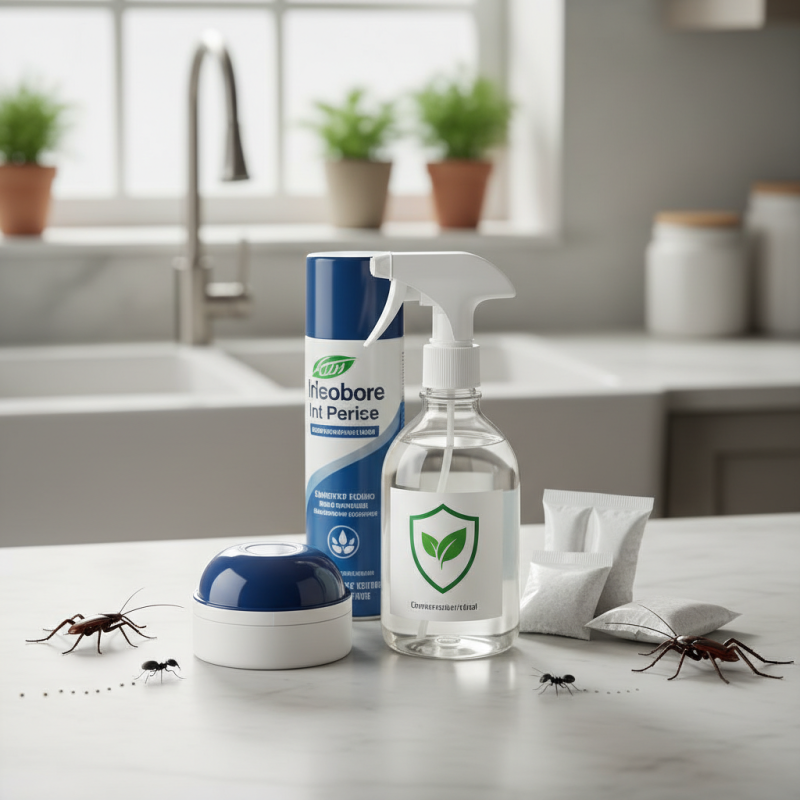
When it comes to household pests, understanding their characteristics is essential. Ants are small and social insects. They leave scent trails, which can lead to their nests. Seeing a few ants may mean many more are nearby. Cockroaches are notorious for their speed and ability to hide. They favor dark and damp spaces. A single cockroach sighting often indicates a larger problem.
Rodents, including mice and rats, can gnaw through almost anything. They are attracted to food sources and can contaminate surfaces. Their droppings pose health risks. Spiders, though often seen as harmless, can create webs in corners. Some species bite and can cause allergic reactions. Understanding these pests can help in choosing effective insecticides.
Effective pest control requires more than just insecticides. Keeping a clean environment matters too. Sealing cracks and ensuring food is stored properly can reduce infestations. However, it’s easy to overlook small details. A forgotten crumb can attract unwanted visitors. Regular inspections can help identify and address these issues early on.
Effectiveness of Different Household Insecticide Formulations
When it comes to household insecticides, effectiveness varies significantly among different formulations. Liquid sprays often provide immediate results. They can target pests directly but may leave behind residues. Aerosols are convenient and can reach tight spaces. However, they may not last as long as other options. Powdered insecticides can remain effective for weeks, but they require careful application.
Tips: Always follow safety instructions when using insecticides. Ensure pets and children are out of reach. Protection gear like gloves and masks can help.
Some households prefer natural options like diatomaceous earth. While these are safer, their effectiveness might take longer to show results. It's important to note that not all insecticides work for every pest. Experimenting with different formulations can lead to better outcomes.
Tips: Keep records of what works and what doesn’t. This may reveal patterns over time. Sometimes a combination of products is needed. Be cautious about the environment when choosing a product.
Safety Considerations When Using Household Insecticides
Using household insecticides requires careful consideration of safety. Many insecticides contain chemicals that can be harmful if not used correctly. A study by the American Association of Poison Control Centers noted that thousands of poisonings occur each year from household pesticide misuse. This emphasizes the importance of following instructions closely.
When applying insecticides, always wear protective gear. Gloves and masks can reduce exposure to harmful substances. Ensure the area is well-ventilated during application. Keep children and pets away from treated spaces to minimize risk. It's important to wash hands thoroughly after handling any pesticide products.
Tip: Read labels carefully to identify active ingredients and hazard warnings. If you're sensitive to chemicals, consider using natural alternatives. Some essential oils can effectively deter pests without the harsh side effects. Remember, even natural products can cause allergic reactions, so test a small area first. Stay informed and be mindful of your environment when selecting pest control options.
Application Methods for Optimal Pest Control
When it comes to pest control, application methods significantly impact effectiveness. Studies reveal that improper application can reduce insecticide effectiveness by up to 30%. Understanding how and when to apply these products leads to better results.
Spraying is a common method, but dilution matters. Many people mix insecticides too weak or too strong. This mistake can attract pests or cause them to develop resistance. Apply in low wind conditions. This minimizes drift and ensures the chemical reaches the target. Using a sprayer with adjustable nozzles allows for better coverage of surfaces.
Baiting is another strategy. According to industry reports, baiting can be more effective for certain pests. For instance, cockroaches tend to consume bait rather than contact insecticides. Place bait in areas where insects frequent. Monitor these spots regularly for activity. You may find that what works well for one pest fails for another. Adapting methods based on outcomes is crucial for success.
Best Household Insecticide Options for Effective Pest Control
| Insecticide Type | Active Ingredient | Target Pests | Application Method | Effectiveness Duration |
| Pyrethroid Insecticides | Permethrin | Ants, Roaches, Flies | Spray, Granular | 2-4 weeks |
| Insect Growth Regulators | Methoprene | Cockroaches, Fleas | Aerosol, Liquid | Up to 6 months |
| Natural Insecticides | Neem Oil | Spider Mites, Whiteflies | Spray | 1-2 weeks |
| Boric Acid | Boric Acid | Cockroaches, Ants | Dust, Bait | Several months |
| Diatomaceous Earth | Silicon Dioxide | Bed Bugs, Fleas, Ants | Dust | Indefinite if dry |
Natural Alternatives to Chemical Insecticides for Homes
When it comes to pest control, many homeowners seek natural alternatives to harsh chemicals. Using simple, homemade solutions can keep your space safe for children and pets. For instance, a mixture of vinegar and water can deter ants and spiders effectively. It's easy to make and just takes a few minutes.
Tips: To avoid sticky situations, seal cracks and gaps around your home. This protects against insects. You might consider using essential oils, such as peppermint and eucalyptus. Mixing them with water creates a pleasant-smelling spray that repels pests. Don't forget to test a small area first.
Sometimes, natural remedies fall short. Ants may ignore vinegar after a while. It’s a reminder to keep experimenting with homemade solutions. Remember, what works for one bug may not work for another. Patience is essential in finding the right balance. A thoughtful approach can lead to safer and more effective pest control.