What are the Best Pcb Sheet Materials for 2026?
As technology advances, the demand for reliable and efficient PCB sheet materials continues to grow. In 2026, the industry faces new challenges and opportunities. Selecting the right PCB sheet material is crucial for performance and durability. This choice impacts product lifespan, manufacturing processes, and overall cost.
Different materials offer various benefits, but not every option is suitable for all applications. For instance, FR-4 remains popular due to its balanced properties. However, alternatives like Rogers and polyimide are gaining traction. They provide improved thermal management and signal integrity.
It's essential to consider specific project requirements. Not all materials are created equal, and making an uninformed choice can lead to expensive mistakes. Staying updated on emerging technologies can help optimize material selection. Ultimately, the best PCB sheet material will hinge on reliability, performance, and application needs.
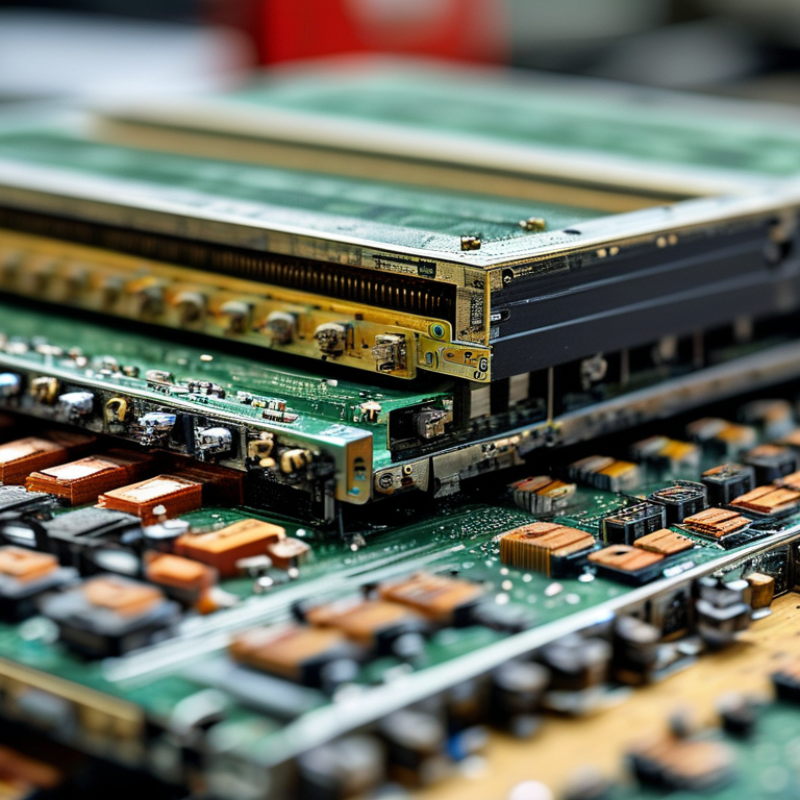
Overview of PCB Sheet Materials Available in 2026
In 2026, the landscape of PCB sheet materials is evolving rapidly. Innovative compositions are being developed to meet the increasing demands of high-performance electronics. Key materials like FR-4 and polyimide will remain popular, offering a balance between cost and performance. However, emerging alternatives like ceramics provide superior thermal stability and electrical insulation. These materials are gaining traction in specialized applications, such as aerospace and medical devices.
While many manufacturers push for lighter and thinner PCBs, it's important to evaluate the trade-offs involved. Thinner sheets may pose challenges for mechanical strength and longevity. Additionally, the environmental impact of PCB materials is a growing concern. Some materials are now being assessed for their sustainability and lifecycle performance. This trend highlights the need for manufacturers to continuously adapt and consider responsible sourcing of their materials. The field is rife with potential, but navigating these complexities requires careful examination and a willingness to innovate.
Key Properties and Characteristics of Optimal PCB Materials
The choice of PCB sheet materials in 2026 will significantly influence performance. Key properties include thermal conductivity, dielectric strength, and mechanical stability. A well-chosen material can enhance durability and ensure reliable operation.
Thermal management is crucial. Select materials that can efficiently dissipate heat. This will prevent thermal buildup, leading to longer component life. Dielectric strength is equally important. High-quality materials allow for optimal signal integrity. This results in efficient communication within the circuitry.
Consider using hybrid materials. They can offer a combination of thermal and electrical properties. This approach may enhance overall performance. Keep in mind that not all materials perform the same under varying conditions. Testing under real-world scenarios can provide valuable insights. Always be ready to adapt your material choice as technologies evolve.
Comparative Analysis of Traditional vs. Emerging PCB Materials
When considering PCB sheet materials for 2026, a comparative analysis reveals significant distinctions between traditional and emerging options. Traditional materials like FR-4 have long dominated the market due to their reliability and cost-effectiveness. They provide a solid thermal and electrical performance, making them suitable for standard applications. However, they often fall short in high-frequency or high-temperature environments.
In contrast, emerging materials such as polyimide and ceramic composites are gaining traction. These materials excel in applications that require flexibility and thermal resistance. They allow for lighter designs and improved signal integrity. As technology advances, the demand for these materials will likely increase.
Reflecting on your material choice is essential. Consider the specific requirements of your project. Ask whether traditional options meet performance criteria or if newer materials provide a better fit. Evaluating durability, cost, and application challenges can guide decisions effectively.
Emphasizing innovation is crucial in today’s fast-paced tech landscape. Emerging materials may offer unique properties, but they also pose challenges in sourcing and fabrication. Staying informed and critical about choices is necessary to adapt to evolving demands in electronics.
Applications and Industries Utilizing Advanced PCB Sheet Materials
Advanced PCB sheet materials are becoming essential across various industries. In the automotive sector, these materials are crucial for developing electric vehicles. They enable efficient power distribution and enhance connectivity in vehicles. Engineers focus on weight reduction while ensuring durability. This balance is vital for performance and safety.
In telecommunications, the demand for high-frequency performance drives innovation in PCB materials. These sheets support advanced data transmission rates, critical for 5G technology. Industries utilize composites that resist temperature fluctuations and provide signal integrity. However, sourcing sustainable materials poses ongoing challenges that require careful consideration.
Healthcare also benefits from these materials. Flexible PCBs are now standard in medical devices. They allow for compact designs while maintaining reliability in operation. Yet, the complexity of manufacturing and regulatory requirements can hinder progress. Engineers and manufacturers are continuously looking for ways to improve performance and address these obstacles. Balancing innovation with practical constraints remains an ongoing task.
Future Trends and Innovations in PCB Material Development for 2026
As we approach 2026, the landscape of PCB materials is evolving rapidly. Research suggests that flexible PCBs will gain significant traction, with a projected growth rate of 8.5% annually through 2026. This trend highlights the increasing demand for lightweight and versatile applications in consumer electronics and automotive sectors. The emergence of hybrid materials, which combine organic and inorganic compounds, is also on the rise. These materials show promise in enhancing thermal conductivity while maintaining excellent mechanical durability.
Innovations in materials like polyimide are set to redefine industry standards. According to a recent market analysis, polyimide's market is expected to exceed $2.5 billion by 2026, driven by its superior temperature resistance. Additionally, there is a noteworthy shift towards eco-friendly materials. Bio-based substrates may reduce environmental impact, capturing the attention of engineers focused on sustainability. However, the transition to these greener alternatives poses challenges in terms of manufacturing consistency and performance reliability.
The call for higher frequency applications also reviews the need for advanced materials such as ceramic filled epoxy. These materials have strengths in minimizing signal loss and improving overall efficiency but require careful handling to avoid brittleness. Prospective developments will depend on mastering these materials while addressing compatibility with existing production techniques. The industry is at a crucial juncture, balancing innovation and practicality.
Best PCB Sheet Materials for 2026
This chart displays the performance index of various PCB materials anticipated for 2026, showcasing their suitability and innovation potential in the electronics industry.