Best Thermoplastic Sheets for Your Next Project?
When embarking on a new project, choosing the right materials is crucial. Thermoplastic sheets are versatile and widely recognized for their durability and adaptability. According to industry expert Dr. Emily Chen, "Thermoplastic sheets can transform your design vision into reality." Many professionals overlook their potential.
Thermoplastic sheets come in various types, including acrylic and polycarbonate. Each type has unique properties that suit different applications. For example, acrylic sheets are lightweight and offer excellent clarity. On the other hand, polycarbonate sheets are more impact-resistant, making them ideal for rugged environments. Understanding these differences is essential for making informed decisions.
Yet, despite their advantages, the selection process can be daunting. A common mistake is prioritizing price over quality. It's important to reflect on how the right thermoplastic sheet can enhance your project’s longevity and performance. Don't rush this choice; time taken here can lead to better outcomes.

Understanding Thermoplastic Sheets: Materials and Properties
Thermoplastic sheets are versatile materials used in various projects. They come in different types, including acrylic, polycarbonate, and PVC. Each type has unique properties that make it suitable for specific applications.
Acrylic sheets are known for their clarity and vibrant colors. They can be easily cut and shaped. However, they may scratch easily and require careful handling. Polycarbonate sheets, on the other hand, are impact-resistant and durable. They can withstand harsh weather conditions but are more expensive. PVC sheets offer good chemical resistance and are lightweight. Yet, their flexibility might not suit every application.
When choosing a thermoplastic sheet, consider the project's demands. Price, durability, and appearance matter. Don't overlook the potential drawbacks of each material. Make sure you weigh the pros and cons. Each choice comes with trade-offs, and it's crucial to reflect on what is most important for your project.
Types of Thermoplastic Sheets and Their Unique Applications
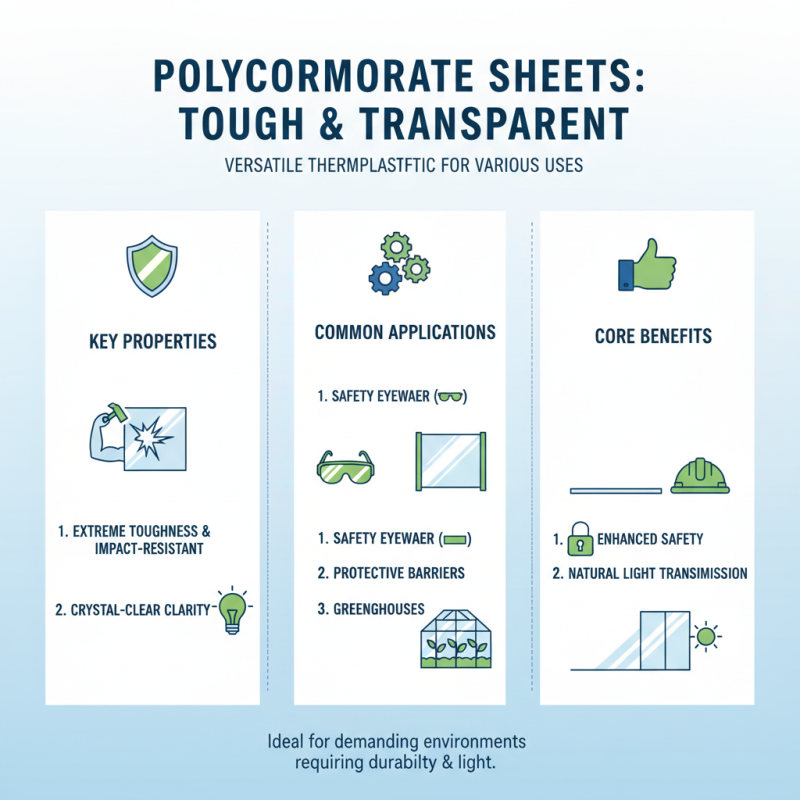
Thermoplastic sheets come in various types, each serving different needs. For instance, polycarbonate sheets are tough and impact-resistant. They are often used in safety applications, like eyewear or protective barriers. Their clarity allows for natural light to pass through, making them ideal for greenhouses.
Acrylic sheets are another popular choice. They are lighter than glass and can be easily cut and shaped. This makes them great for signage and displays. Their color can be clear or tinted, adding to their versatility. However, they can scratch easily and may require additional care.
Polypropylene sheets offer a unique balance of flexibility and durability. They are often used in packaging and containers. Their resistance to moisture makes them suitable for outdoor projects. Each thermoplastic type has its strengths and weaknesses, which can impact your project. Understanding these details can lead to better choices in materials.
Factors to Consider When Choosing Thermoplastic Sheets
When selecting thermoplastic sheets for your next project, it's essential to consider several key factors. One critical element is the material's strength and durability. According to a recent industry report, over 70% of professionals emphasize mechanical properties as paramount. Applications can vary widely. A sheet designed for structural support must withstand different stresses compared to one for decorative use.
Thickness is another important factor. Industry guidelines suggest that thickness affects impact resistance significantly. Thicker sheets often provide better durability but may also weigh more and be more expensive. A choice driven purely by aesthetics can lead to overspending or unsatisfactory performance. Transparency levels also matter. Depending on your project, you might prioritize clear materials for visibility or opaque sheets for privacy.
Ultimately, how these materials handle temperature and UV exposure will influence your decision. Many thermoplastics degrade under prolonged sunlight, leading to premature failure. A study found that roughly 30% of projects faced delays due to material degradation. Reflecting on all these considerations will lead to a more informed choice, reducing future project adjustments or failures. Always assess your project needs thoroughly before purchasing.
Top Recommended Brands for Thermoplastic Sheets
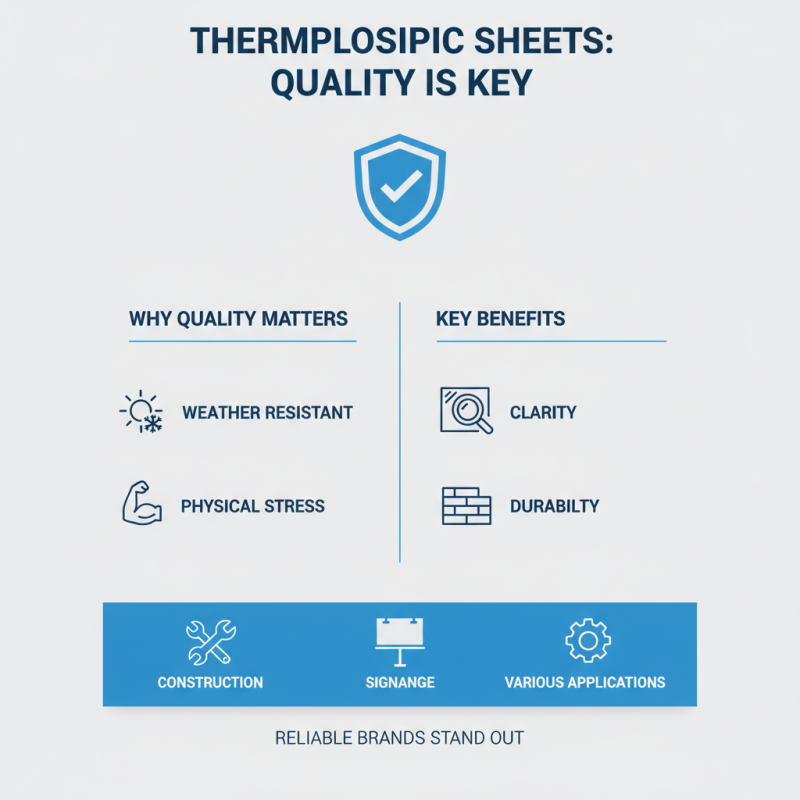
When choosing thermoplastic sheets, quality is key. Many options are on the market, but a few brands stand out for their reliability. Look for sheets that offer clarity and durability. They should withstand weather changes and physical stress. These sheets can be used in different applications, like signage and construction.
Some brands offer sheets that are lightweight yet strong. This balance allows for easy handling during your project. Colors and finishes vary significantly among brands, giving you plenty of choices. However, not all colors might adhere well to your materials. This is where testing can become necessary. You might end up with a shade that doesn’t match your expectations.
Keep an eye on pricing, as it can vary widely. Higher-priced sheets may not always guarantee better performance. Sometimes, affordable options provide the same quality. Research user reviews for insights on performance and longevity. Real-world experiences can guide your decision-making process. Finding the best thermoplastic sheets involves careful thought and consideration of all these factors.
Tips for Working with Thermoplastic Sheets in Your Projects
Working with thermoplastic sheets can be exciting yet challenging. These materials offer flexibility and durability, making them ideal for various projects. However, understanding their properties is essential. For instance, thermoplastics can range from soft to rigid. Knowing the specific type you need is crucial for achieving the desired outcome.
When cutting thermoplastic sheets, using a sharp utility knife can yield better results. A dull blade may lead to rough edges or uneven cuts. Reports show that poor cutting can compromise the overall appearance of your project. Additionally, consider heating the sheets slightly to improve workability. Temperatures between 150°F and 200°F may help in bending or shaping them without cracking.
Another factor to consider is the adhesive used. Some adhesives may not bond effectively with thermoplastics. It's advisable to conduct a small test before applying adhesive. Some projects may require trial and error, which is part of the learning process. Failure can lead to insights that enhance future projects. Remember to document your methods and results for better outcomes next time.
Best Thermoplastic Sheets - Material Properties Comparison