What Are the Best Types of Glass Windows for Buyers?
When considering the best types of glass windows, homeowners often seek expert advice. Renowned glass window specialist, Jane Smith, states, "The right glass can transform the comfort and efficiency of your home." Choosing the ideal glass window involves understanding various options available on the market. Different styles, materials, and technologies make each selection unique.
Many factors influence your choice. Energy efficiency is crucial, as windows with good insulation can lower utility bills. Aesthetic appeal is also important; the right windows can enhance your home's curb appeal. However, not every option fits every home or budget. It's essential to weigh the pros and cons of each type.
In this diverse landscape, finding the right glass window can be daunting. Consider personal needs and preferences. Reflecting on these choices can lead to informed decisions. Striving for the best may not always yield perfect results, but knowledge and guidance make the journey easier.
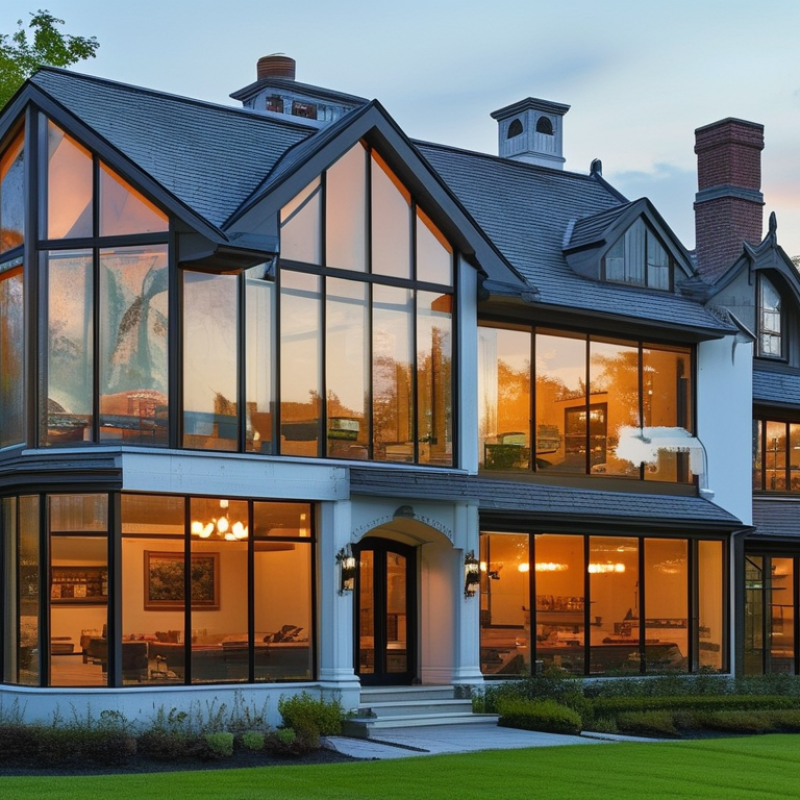
Types of Glass Windows: A Comprehensive Overview
When selecting glass windows, buyers should consider various types, each with distinct advantages and drawbacks. Double-glazed windows offer excellent insulation. They can reduce energy consumption by up to 18%, according to the Department of Energy. Additionally, they help with noise reduction, making them ideal for homes in busy areas.
Tempered glass is another popular choice. It is known for its strength and safety features. This type of glass undergoes a special heating process, making it tougher than regular glass. However, tempered glass can be more costly. Buyers should weigh the benefits against their budget.
Another option is low-E glass, which enhances energy efficiency. It reflects heat while allowing light to enter, creating a comfortable indoor environment. Residential buildings using low-E glass can see energy savings of approximately 10% to 20%. However, it may not be suitable for regions with extreme cold. Buyers must evaluate their local climate when considering this option. Each type of glass window presents unique characteristics, making informed choices essential for homeowners.
Energy-Efficient Glass Options for Modern Homes
When considering energy-efficient glass for modern homes, it's essential to look beyond aesthetics. The U.S. Department of Energy states that windows can account for up to 30% of heating and cooling costs. Improperly chosen glass can waste energy and lead to higher bills. Thus, selecting the right type is crucial for efficiency.
Low-emissivity (Low-E) glass is a popular choice among homeowners. This glass reflects heat back inside during winter and blocks UV rays in summer. According to a report by Energy Star, Low-E windows can reduce energy bills by 10-15%. Additionally, triple-glazed windows, while pricier, offer superior insulation. They can significantly improve a home's thermal performance.
Tips: Consider the climate in your area. In colder regions, opt for windows with a higher R-value. Meanwhile, those in warmer climates should focus on reducing solar heat gain. Always check for ENERGY STAR ratings when selecting windows. This ensures you invest in products that meet strict energy efficiency guidelines. Homeowners often overlook the installation process, which should also be prioritized for maximum performance. A well-installed window can enhance the overall effectiveness of energy-efficient glass.
Safety and Security Features in Window Glass
When selecting glass windows, safety and security are paramount considerations. According to the Glass Association, over 25% of residential burglaries occur through unsecured windows. Therefore, investing in glass that enhances security is crucial. Laminated glass, for instance, consists of two or more layers of glass with a resin interlayer. This design not only provides sound insulation but also makes it significantly harder to break.
Additionally, tempered glass is a popular choice for its strength and resistance to impact. Studies show that tempered glass is five times stronger than standard glass. Its ability to shatter into small, blunt pieces reduces the risk of injury during a break-in or an accident. However, some homeowners may overlook the importance of proper installation. Poorly installed windows can negate the safety features of high-quality glass. Regular inspection of window seals and frames also plays a role in maintaining security.
Moreover, there's a growing awareness of the role windows play in overall home safety. A recent survey indicated that 30% of homeowners prioritize window security when purchasing a home. Many now seek additional features such as window locks and reinforced frames. Despite advancements in glass technology, not all options may suit every buyer's needs. Reflective window films can provide privacy while also deterring break-ins, but they may not fit every aesthetic.
Focus on matching glass features with your specific security needs for the best outcome.
Comparing Single, Double, and Triple Glazing Choices
When selecting glass windows, buyers often consider the type of glazing. Single, double, and triple glazing are the main choices, each with unique advantages and disadvantages. A study by the National Renewable Energy Laboratory found that double glazing can reduce heat loss by up to 50% compared to single glazing. This improved efficiency leads to lower energy bills, making it a popular option among homeowners.
Triple glazing offers even more insulation. It typically incorporates an additional layer of glass and an extra gas fill, enhancing thermal performance. Research indicates that homes with triple glazing can see energy cost reductions of approximately 30% compared to those with double glazing. However, the initial cost of triple-glazed windows is higher. This investment may require deeper consideration, particularly in milder climates where the additional cost may not yield significant savings.
While more layers can provide better insulation, not all areas benefit equally. In some instances, triple glazing may feel overly heavy for older window frames. Installation challenges can arise, requiring professional assessments. Energy performance should be weighed against these potential drawbacks. It’s essential to assess the specific needs of your home before making a choice. Conducting thorough research and seeking expert opinions will lead to informed decisions.
Maintenance and Durability of Different Glass Window Types
When selecting glass windows, maintenance and durability are crucial. Different types of glass windows offer varying levels of longevity and upkeep requirements. For instance, tempered glass is known for its strength and withstands extreme temperatures. According to the Glass Association, this type can be up to five times stronger than standard glass. However, if broken, it shatters into small, dull pieces, making clean-up easier but requiring careful installation to prevent accidents.
Vinyl windows offer excellent insulation but may require re-caulking every few years. A report from the National Fenestration Rating Council highlights that vinyl frames can last over 30 years with proper care. However, their color may fade over time in sunlight. On the other hand, wood frames provide aesthetic charm yet demand consistent maintenance. They require painting or staining to protect against moisture and pests. Homeowners should weigh these factors against their lifestyle and preferences.
Some glass types, like low-emissivity (Low-E) glass, enhance energy efficiency. Yet, they can be prone to scratching during cleaning. While they may be more efficient in temperature control, they require careful handling. Buyers should reflect on these challenges and choose glass that suits their environmental conditions and maintenance willingness. Understanding these factors helps in making informed decisions.
Maintenance and Durability of Different Glass Window Types