What is the Best Use of Large Plastic Sheets for Your Needs?
Large plastic sheets are increasingly becoming essential in various industries. Their versatility and durability make them suitable for applications ranging from construction to packaging. According to a recent report by the Plastic Industry Association, the demand for large plastic sheets has risen by 15% annually over the past five years. This indicates a shift in how businesses utilize these materials for efficiency and sustainability.
Dr. Emily Chen, a leading expert in polymer science, notes that "the adaptability of large plastic sheets allows businesses to innovate while reducing waste." This insight highlights the importance of choosing the right type of plastic sheet based on specific needs. Various materials, colors, and thicknesses are available, making it crucial to carefully evaluate options before making a decision.
While the benefits are clear, one should also consider potential drawbacks. Not all large plastic sheets are created equal, and their environmental impact can vary greatly. Assessing their lifecycle and recyclability is vital. Investing time in research can lead to better choices that align with both business goals and ethical practices.

What Are Large Plastic Sheets? An Overview of Materials and Types
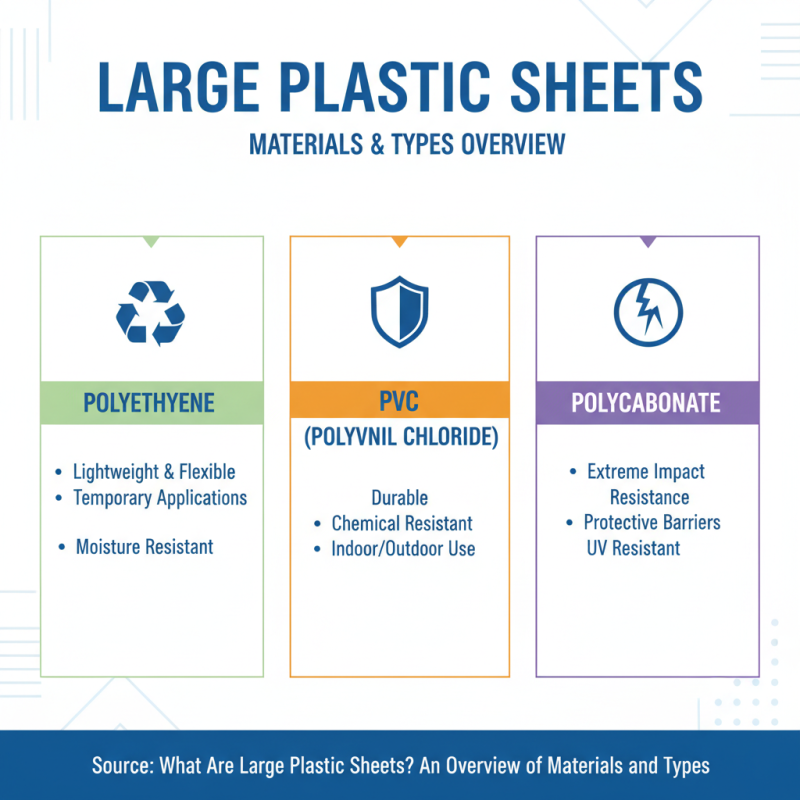
Large plastic sheets come in various materials, including polyethylene, PVC, and polycarbonate. Each type has its own unique properties. Polyethylene sheets are often lightweight and flexible, making them ideal for temporary applications. PVC sheets resist chemicals and are durable, suitable for both indoor and outdoor use. Polycarbonate offers excellent impact resistance, ideal for protective applications.
When selecting a material, consider your specific needs. Think about the environment in which the sheet will be used. Will it be exposed to harsh weather or chemicals? Consider thickness and flexibility. Thicker sheets provide durability but may limit flexibility. This balance can be challenging; finding the right material is crucial for effective use.
People often overlook the potential for reusing or recycling large plastic sheets. Many sheets can be repurposed for events, construction, or art projects. Understanding this can lead to innovative uses, but it requires creativity and foresight. Consider where your large plastic sheets will end up after use. This reflection can enhance resource management and minimize waste.
Key Applications of Large Plastic Sheets in Various Industries
Large plastic sheets play a crucial role in multiple industries. In construction, they act as vapor barriers, protecting structures from moisture. According to a report by the Construction Plastics Association, the demand for plastic sheeting in construction is projected to grow by 4.5% annually through 2025.
In agriculture, large plastic sheets are essential for greenhouse covers. They regulate temperature and humidity, fostering optimal conditions for plant growth. Research indicates that greenhouses utilizing high-quality plastic sheets can increase yield by over 20%. The durability and UV resistance of these sheets are vital for sustaining their effectiveness.
However, challenges remain in recycling and sustainability. While these materials serve many purposes, their environmental impact cannot be ignored. The Plastic Waste Management Report from 2022 highlights that only 9% of plastic. Consumers and industries must consider their choices carefully. Proper waste processing and innovations in biodegradable options are critical for future growth.
Key Applications of Large Plastic Sheets in Various Industries
Comparative Analysis of Plastic Sheets: PVC, Polycarbonate, and Polyethylene
When considering large plastic sheets, it's essential to compare materials like PVC, polycarbonate, and polyethylene. Each type has unique characteristics suited for different applications. PVC is known for its durability and is widely used in construction. Reports indicate that PVC sheets can last over 10 years in harsh conditions. However, they may not withstand UV exposure as well as others.
Polycarbonate is a stronger option, able to withstand impacts up to 200 times that of glass. This makes it ideal for protective applications. However, it comes at a higher cost compared to PVC. Polyethylene, on the other hand, is lightweight and versatile. It's commonly used for packaging and can be recycled easily. Yet, it may not offer the same durability as the other materials.
**Tip:** Always consider the specific needs of your project before choosing a plastic sheet. Analyze the environment, expected lifespan, and load requirements carefully.
Another consideration is transparency and aesthetic appeal. Polycarbonate sheets can be clear or tinted. They allow natural light while providing excellent insulation. However, their rigidity can present challenges in cutting and installation. PVC sheets, while versatile, may lack the same visual appeal. Polythene offers a more flexible solution for creative projects, but its transparency is not as high.
**Tip:** Conduct small tests if unsure about a material. This can help verify performance under real conditions.
Environmental Considerations and Recycling Options for Large Plastic Sheets
Large plastic sheets have diverse applications, but their environmental impact cannot be overlooked.
According to a recent report by the Environmental Protection Agency (EPA), about 8 million metric tons of plastic waste end up in oceans each year. This highlights a critical issue: the need for effective recycling methods.
Many plastic sheets made from polyethylene or polyvinyl chloride (PVC) can be recycled, but often end up in landfills due to improper disposal.
Recycling options are developing rapidly. Recently, organizations have created programs that support the recycling of larger plastic materials. For instance, a study by the Association of Plastics Recyclers shows that only 9% of all plastic is actually recycled. This tells us that improving recycling rates for large plastic sheets is crucial.
Community initiatives can play a role here, promoting awareness and encouraging responsible disposal.
Some users may be unaware of effective recycling programs available. It's vital to research local options, as not all facilities accept large sheets.
Furthermore, the lack of uniform standards in recycling processes leads to confusion.
If plastic sheets are contaminated or mixed with other materials, they may be discarded instead of recycled. Understanding these challenges is essential for maximizing the potential of large plastic sheets.
Market Trends: Growth Projections for the Large Plastic Sheet Industry
The large plastic sheet industry is experiencing significant growth. According to a recent market research report, the industry is projected to expand at a compound annual growth rate (CAGR) of 6.5% through 2030. This growth is driven by increasing applications in construction, agriculture, and packaging sectors. The versatility of large plastic sheets makes them suitable for a variety of needs, such as insulation, protective cover, and even DIY projects.
Market trends indicate a rising demand for sustainable materials. Eco-friendly alternatives are gaining traction, supporting environmental goals. However, the challenge lies in balancing performance and sustainability. Reports show that while consumers favor recycled plastic, they still prioritize durability and functionality. This indicates a gap between expectations and available solutions in the market. Addressing this is crucial for manufacturers aiming to stay competitive as consumer preferences evolve.
Another key aspect is the technological advancements affecting production efficiency. Innovations in the manufacturing process have led to better quality and lower prices. Yet, awareness of these advancements is not widespread. Companies need to educate their customers about the benefits and applications of modern large plastic sheets. Understanding these trends can help stakeholders make informed decisions that align with both economic and environmental goals.