2026 Best Uses for Polyethylene Plastic in Everyday Life?
Polyethylene plastic has become an integral part of our daily lives, with applications spread across various industries. According to a recent report by the American Plastics Council, polyethylene accounts for nearly 30% of the total plastic market. This versatile material is not just abundant; it is also evolving. Dr. Susan Hayes, an expert in polymer science, notes, “Polyethylene plastic is a sustainable solution when used responsibly.”
From packaging materials to reusable shopping bags, the uses are endless. Yet, the reliance on polyethylene also raises important questions. Recycling rates remain low, and pollution is a significant concern, with only about 9% of plastic waste being recycled successfully. The convenience of polyethylene plastic often overshadows its environmental impact.
In exploring the best uses of polyethylene plastic for 2026, it’s vital to reflect on both its benefits and repercussions. This material can bring innovation and efficiency but also challenges that we must confront. Understanding how to effectively manage its lifecycle is crucial for a sustainable future.
Innovative Packaging Solutions: Polyethylene in Consumer Goods
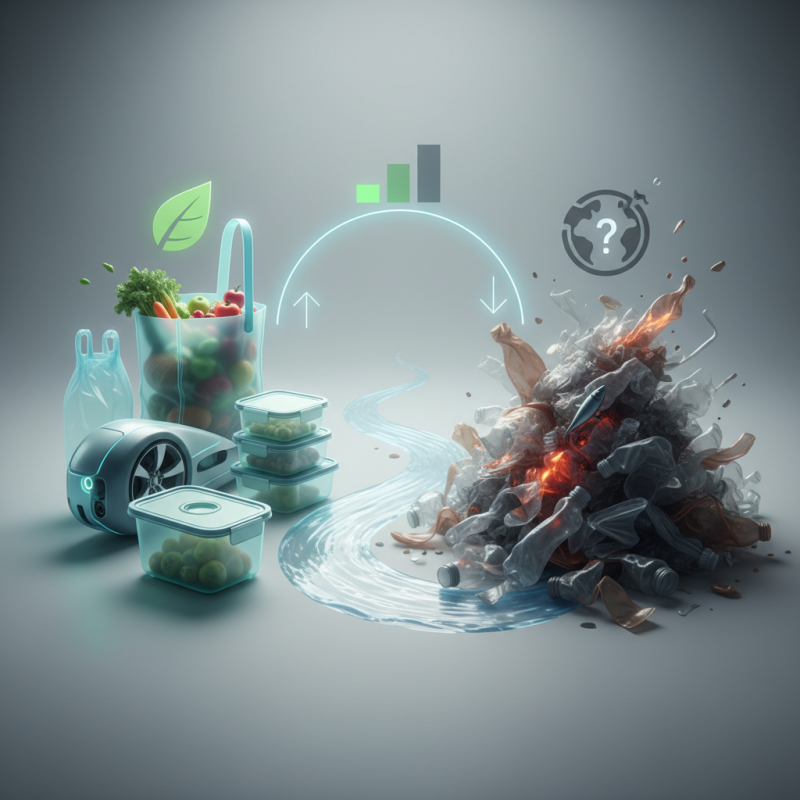
Polyethylene plastic plays a vital role in packaging consumer goods. Its lightweight nature makes it a popular choice for various products. From grocery bags to food containers, polyethylene is everywhere. It helps preserve the quality of perishables while ensuring ease of transport. Many people appreciate its convenience but often overlook its environmental impact.
In daily life, polyethylene packaging is incredibly versatile. It is used in everything from frozen food bags to water bottles. These materials can keep items fresh and are convenient for consumers. However, the critical issue remains: what happens to this plastic after use? While it is recyclable, many still end up in landfills. A better approach is needed to address this waste problem.
Exploring innovative alternatives could help reduce plastic dependency. Biodegradable packaging is one example. It offers similar benefits but decomposes more naturally. Industry stakeholders and consumers together must rethink their choices. Sustainable options can lead to improved waste management. In this ongoing journey, we need to reflect on what we consume and how we package our goods.
2026 Best Uses for Polyethylene Plastic in Everyday Life
This chart illustrates the various applications of polyethylene plastic in consumer goods, showcasing its versatility in everyday items.
Household Applications: Polyethylene in Everyday Cleaning Products
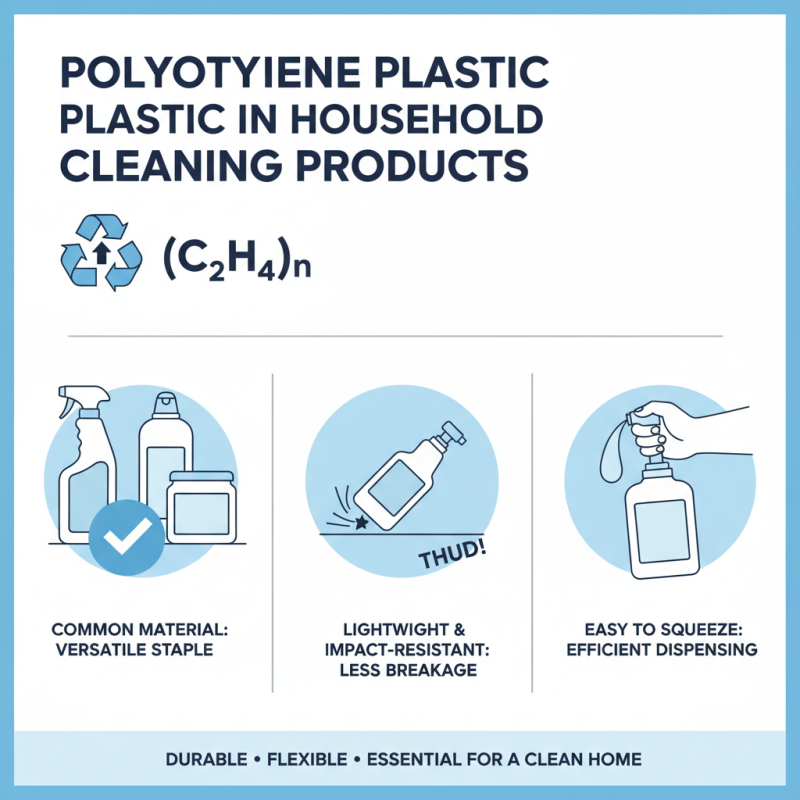
Polyethylene plastic is a common material used in various household cleaning products. Its versatility makes it a staple in many cleaning supplies found in the home. For example, plastic bottles and containers made from polyethylene are lightweight and resistant to impact. This means they are less likely to break during use. They also have a seamless design that is easy to squeeze, allowing for efficient dispensing of liquids.
Another great use of polyethylene is in the production of spray bottles. These bottles can hold various cleaning solutions, from multipurpose sprays to bathroom cleaners. They are often designed with a trigger mechanism that ensures even spraying. However, users should be mindful of how many of these bottles they acquire. Over time, they can accumulate and become waste if not properly recycled.
In addition, polyethylene’s role in packaging cannot be overlooked. Many cleaning product refills come in polyethylene bags or pouches, which reduce the need for additional plastic containers. However, it’s important to consider the environmental impact of this material. While practical, excessive reliance on plastic can be detrimental. Finding alternatives or reducing plastic usage in cleaning routines is something to reflect on. Balancing convenience and sustainability is key.
Durable Construction Materials: Polyethylene in Home and Outdoor Projects
Polyethylene plastic has become a popular material in home and outdoor projects. It is known for its durability and resistance to moisture. In 2022, the global polyethylene market was valued at over $160 billion. As its properties are recognized, many people look for practical applications around their homes.
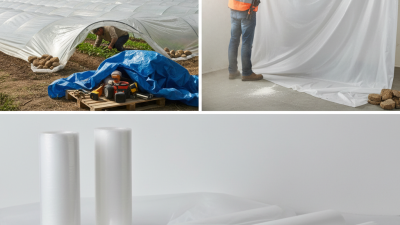
When it comes to construction, polyethylene sheeting is widely used. It serves as vapor barriers and moisture membranes, preventing water damage in basements. An estimated 40% of all home construction uses polyethylene products in some capacity. Its lightweight nature allows for easy installation, which appeals to DIY enthusiasts. However, one must consider its environmental impact. Despite its durability, polyethylene is not biodegradable, leading to waste concerns.
In outdoor settings, polyethylene has numerous applications. It is often used for protective covers and garden tools due to its resistance to weather elements. A report from the Plastic Waste Management Institute indicates that only 9% of plastics are recycled globally. A reflective look reveals that, while polyethylene is practical, we must reconsider our reliance on single-use plastics. Exploring sustainable alternatives could pave the way for more eco-friendly solutions in construction and gardening.
Medical Uses: How Polyethylene Enhances Healthcare Devices and Supplies
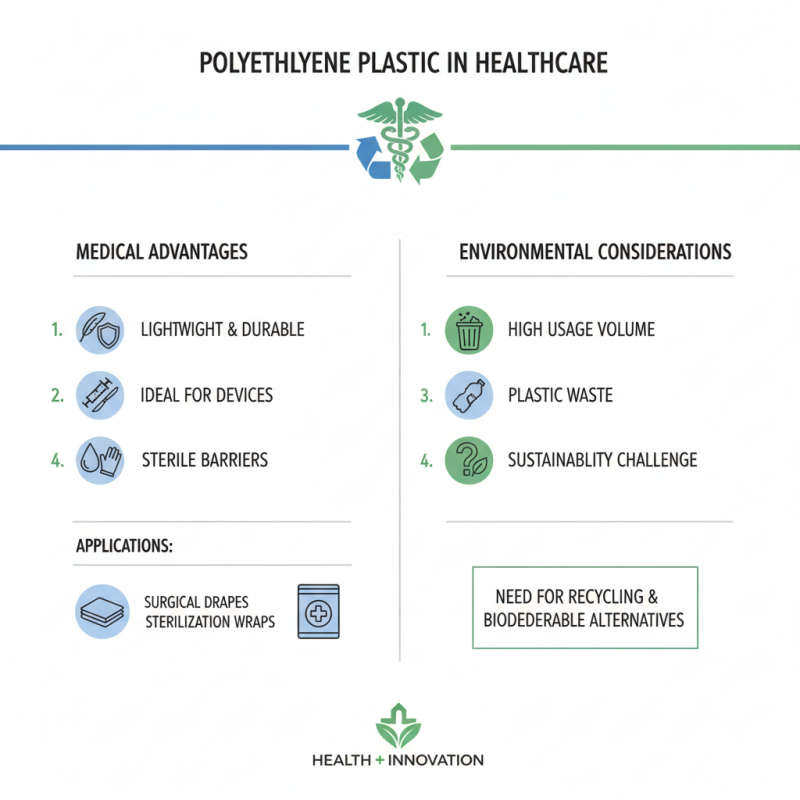
Polyethylene plastic plays a vital role in healthcare. This material is lightweight and durable, making it ideal for medical devices. For instance, polyethylene is often used in surgical drapes and sterilization wraps. These applications help maintain a sterile environment during procedures. However, we should consider the environmental impact of using so much plastic.
Tips: Always look for recycling options after using polyethylene products. This simple step can reduce waste in healthcare facilities.
Another common use of polyethylene is in the production of medical packaging. Many items, such as syringes and IV bags, are packaged in polyethylene to ensure safety. This use enhances visibility and protection. Nevertheless, the potential for plastic pollution is concerning.
Tips: Seek out medical suppliers that prioritize sustainable packaging. Your choices can influence the industry's approach to plastic use.
Polyethylene also contributes to prosthetics and implants. These devices need to be flexible yet strong. Polyethylene meets these requirements effectively. Yet, there’s an ongoing debate about its long-term effects in the human body.
Tips: Stay informed about advancements in biodegradable materials for future healthcare solutions. This knowledge can help in advocating for safer alternatives.
Sustainable Practices: Recycling Polyethylene for a Greener Future
Recycling polyethylene is crucial for a sustainable future. Current data indicates that only 9% of plastic is recycled globally, with polyethylene comprising a large portion of this waste. This highlights a significant challenge and an opportunity for innovation.
Many everyday products, like shopping bags and water bottles, are made from polyethylene. In the U.S., around 1 million plastic bags are used every minute. This immense quantity contributes to environmental degradation. However, recycling polyethylene can mitigate these issues. When recycled, it has the potential to reduce greenhouse gas emissions significantly. Recent studies show that recycling a single ton of polyethylene can save over 1.5 tons of CO2 emissions.
It isn’t all perfect, though. The recycling process itself can be inefficient. Contamination from food waste often makes polyethylene less acceptable for recycling. This leads to a large percentage of plastic that ends up in landfills. Public awareness and community efforts are key to improving this situation. Educating consumers on proper disposal and recycling methods can greatly enhance the recycling rate.