Best Vacuum Molding Techniques for Global Buyers?
Vacuum molding is a crucial manufacturing technique in various industries. Experts emphasize its importance for creating durable and lightweight products. John Smith, a renowned vacuum molding specialist, once stated, "Understanding the nuances of vacuum molding can elevate product design significantly." His insight reflects the growing reliance on this method by global buyers.
With vacuum molding, designers can produce complex shapes without extensive tooling. This process reduces costs and accelerates production times. However, challenges remain. Manufacturers often struggle with consistency in thickness and surface imperfections, which require refinement in techniques.
As the industry evolves, it’s essential for buyers to explore innovative approaches. New materials and technology can enhance the vacuum molding process. Yet, continual learning and adaptation are necessary to overcome the inherent limitations in current practices. Embracing a mindset of improvement will lead to greater advancements in vacuum molding.

Overview of Vacuum Molding Techniques Used Globally
Vacuum molding is a widely used manufacturing process globally. It offers flexibility in producing various shapes and sizes, making it ideal for diverse industries. This technique typically involves heating a thermoplastic sheet until it’s pliable. Once heated, the sheet is vacuum formed over a mold to create the desired shape. This method is well-suited for low to medium production runs.
One important aspect of vacuum molding is its material versatility. Different thermoplastics can be used, allowing manufacturers to tailor the properties of the final product. While this process is efficient, there are challenges. For instance, achieving uniform thickness can be difficult. Additionally, ensuring consistent temperature control requires careful monitoring. Flaws can occur if the sheet is not heated evenly.
Despite its advantages, vacuum molding is not without limitations. High initial setup costs for molds can be a barrier for small businesses. Moreover, the technique may not be suitable for intricate designs. Buyers should weigh these factors carefully. A solid understanding of the materials and techniques can lead to better outcomes. Global buyers benefit from exploring these nuances to enhance their production strategies.
Best Vacuum Molding Techniques Used Globally
This chart presents an overview of the popularity of different vacuum molding techniques across various regions. The data reflects the percentage of usage based on market research and industry reports.
Types of Materials Suitable for Vacuum Molding Processes
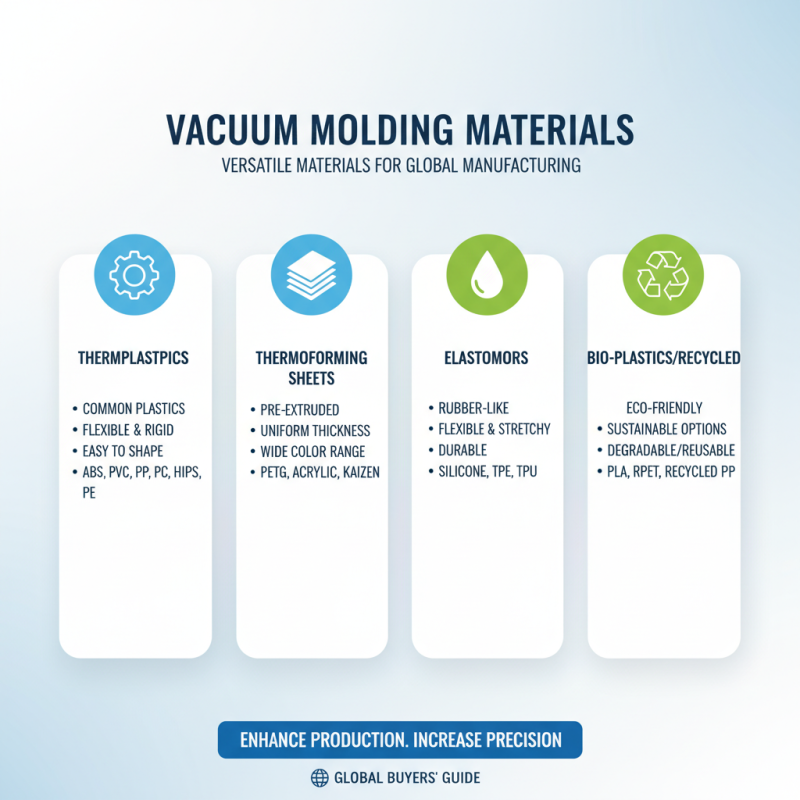
Vacuum molding is a versatile technique widely used across various industries. It allows for the shaping of materials into intricate designs with precision. Understanding the types of materials suitable for vacuum molding is essential for global buyers looking to enhance their production processes.
Common materials for vacuum molding include thermoplastics, such as ABS and polycarbonate. According to a recent industry report, these materials account for over 50% of the market share in vacuum molding applications. Their properties, like durability and flexibility, make them preferable for manufacturers. Furthermore, polyurethane is gaining traction, especially in industries requiring lightweight yet strong components.
However, not all materials perform equally in vacuum molding. Some manufacturing processes may experience challenges, particularly with thicker materials. Experimentation is often necessary to optimize the molding conditions. Buyers must be aware that while certain materials offer advantages, they may also present unique challenges during production. Understanding material properties in-depth is crucial for success in vacuum molding initiatives.
Step-by-Step Guide to the Vacuum Molding Process
The vacuum molding process is an efficient way to create custom plastic products. It combines heat and vacuum to form materials into desired shapes. Understanding this process can help buyers make informed decisions.
Preparation is critical. Start by choosing the right material for your product. Popular options include PVC, ABS, and polystyrene. Each has unique properties, so consider your requirements carefully. Next, create a detailed mold design. A well-designed mold reduces flaws in the final product.
Tips: Always conduct a test run. This step helps identify potential issues before full production. Adjust your temperature settings based on the material used. Monitoring these factors ensures high-quality results.
During the molding process, apply even pressure to avoid inconsistencies. Irregular pressure can lead to defects. Remember that not every production run will be perfect. Stay adaptive and analyze the results for improvements. Continuous refinement will lead to better outcomes in the long run.
Advantages of Vacuum Molding for Manufacturers and Buyers
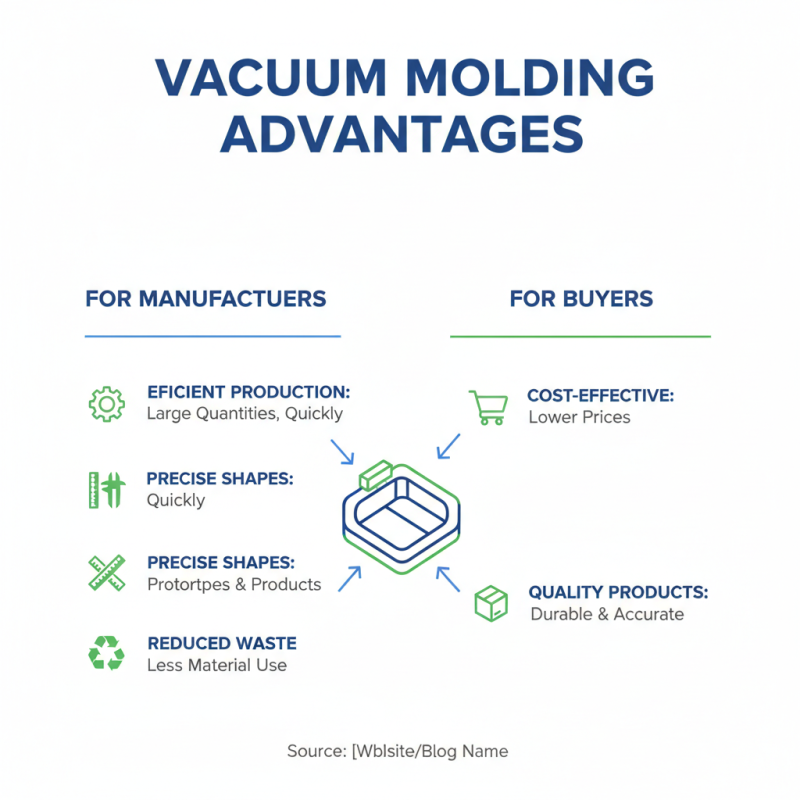
Vacuum molding offers significant advantages for both manufacturers and buyers. This process is efficient for producing large quantities of products quickly. With its ability to create precise shapes, vacuum molding is excellent for prototypes and final products. Manufacturers can enjoy reduced material waste, as the process uses less plastic compared to traditional methods.
For buyers, the flexibility of vacuum molding is a key benefit. It accommodates various materials, providing options based on specific needs. Many buyers find cost savings over time due to lower production costs. However, it's essential to consider the initial investment in tools and molds, which can be substantial.
Tips for navigating vacuum molding:
1. Understand your material options. Not all materials are suitable for every application. Choosing wisely can impact quality and durability.
2. Collaborate closely with manufacturers. Clear communication ensures that your vision aligns with their capabilities, avoiding costly revisions later.
3. Test prototypes before full-scale production. This step can reveal design flaws and functional issues, allowing for adjustments early in the process.
Key Considerations for Selecting a Vacuum Molding Supplier
When selecting a vacuum molding supplier, expertise is crucial. A supplier with extensive experience can navigate challenges effectively. Look for manufacturers who have a proven track record in your industry. This ensures they understand specific requirements and can deliver quality results. A strong portfolio speaks volumes about their capabilities.
Consider the material options the supplier offers. Different projects require different materials. The right supplier should provide a range of choices, from standard plastics to specialized composites. Make sure they can accommodate your specifications.
Communication is another key aspect. A reliable supplier will respond promptly to queries and provide updates throughout the process.
Quality control should be a priority for potential suppliers. They must have robust testing procedures in place. Ask about their certifications and compliance with industry standards. This information can reveal their commitment to quality. Trust your instincts during this evaluation. If anything feels off, continue your search. Finding the right partner can greatly impact the success of your project.