Best WPC Fence Options for Global Buyers in 2026?
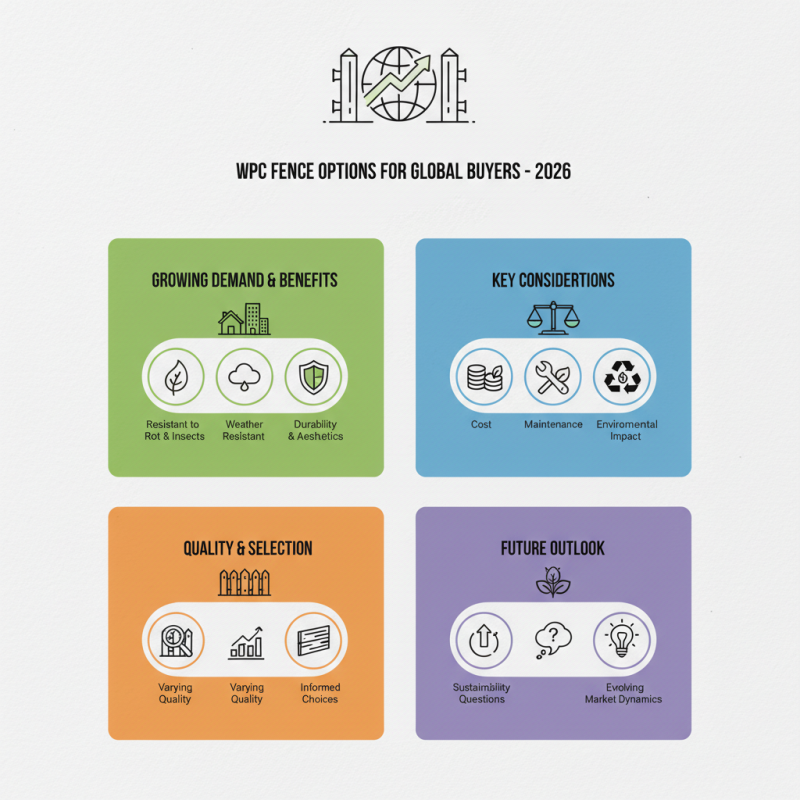
As we look ahead to 2026, the demand for WPC Fence options continues to grow globally. WPC, or wood-plastic composite, offers a balance of durability and aesthetics. Many buyers are exploring these options for their residential and commercial needs.
The benefits of WPC fences include resistance to rot, insects, and weather effects. These features make them a practical choice in various climates. However, not all WPC products are created equal. Quality can vary significantly, and buyers must navigate this landscape carefully.
In this evolving market, several factors influence decision-making. Cost, maintenance requirements, and environmental impact are paramount. Buyers should weigh these elements against their specific fencing needs. The rise in popularity of WPC fences also poses some questions regarding sustainability. Understanding these dynamics will help ensure informed purchasing decisions.
Overview of WPC Fencing: Benefits and Features
WPC fencing, or Wood-Plastic Composite fencing, is gaining popularity among homeowners. This innovative material combines the natural beauty of wood with the durability of plastic. The result is a fence that resists rot, fading, and insects. Many buyers appreciate its low maintenance requirements, which helps save time and effort in upkeep.
One of the standout features of WPC fencing is its eco-friendly nature. Made from recycled materials, it offers a sustainable option for environmentally conscious consumers. However, potential buyers must reflect on its initial cost, as it can be higher than traditional wood options. Still, the long-term benefits often outweigh the upfront investment. The color and texture of WPC can mimic natural wood, appealing to various tastes while providing enhanced longevity.
When considering options, buyers should examine the different styles and finishes available. Some may prefer a traditional appearance, while others might lean towards a modern aesthetic. It's crucial to assess how a choice will integrate with existing landscaping. Ultimately, the right WPC fence can enhance both curb appeal and property value.
Key Considerations When Choosing WPC Fences for 2026
When selecting WPC fences in 2026, several key considerations come into play. Durability is paramount. WPC, or wood-plastic composite, offers resistance to moisture, insects, and decay. However, not all WPC materials are created equal. Evaluating the materials and their longevity is crucial. Look for products that withstand extreme weather conditions. Ask for samples, if possible, to check their quality firsthand.
Aesthetics also matter significantly. WPC fences are available in various colors and finishes, making them suitable for diverse architectural styles. Choose a color that complements your property. Consider the visual impact of your fence. The design should enhance, not detract from, your landscape. Keep in mind that selecting a fence requires thoughtful reflection on personal taste.
Cost-effectiveness is another factor. Though WPC fences can be pricier initially, they tend to incur lower upkeep costs over time. However, it’s wise to analyze the long-term value versus the upfront investment. Be vigilant about any hidden costs associated with installation or maintenance. This reflects the importance of thorough research and comparison before making a decision.
Top WPC Fence Brands and Their Unique Offerings
Choosing the right WPC fence can be challenging, especially with so many options available. Various brands offer unique features that cater to different consumer needs. For instance, some focus on durability, providing materials resistant to weather and pests. Others prioritize aesthetics, offering a range of colors and textures to suit any landscape.
Many brands highlight sustainability, using recycled materials in their products. It's important to evaluate how eco-friendly these options really are. Although some brands claim green credentials, not all are equal. Consumers should research the source of materials to ensure responsible practices. Engaging with customer reviews can also clarify these brands' true environmental impact.
Price is another significant factor. While some WPC fences are budget-friendly, they may lack longevity. Investing a bit more could mean better performance over time. Exploring offerings from various brands allows buyers to strike a balance between cost and quality. However, finding the ideal WPC fence requires careful consideration and a critical eye on what truly matters.
Best WPC Fence Options for Global Buyers in 2026? - Top WPC Fence Brands and Their Unique Offerings
| Fence Type | Color Options | Durability Rating | Eco-Friendly Features | Price Range (per foot) |
| Privacy Fence | Brown, Gray, Cedar | High | Recycled materials | $15 - $25 |
| Picket Fence | White, Green, Blue | Medium | Low VOC | $10 - $20 |
| Ranch Fence | Natural, Light Brown | High | Sustainable sourcing | $12 - $22 |
| Garden Fence | Dark Green, Beige | Medium | Biodegradable options | $8 - $18 |
| Decorative Fence | Custom Colors | High | Reclaimed wood composite | $20 - $30 |
Comparative Analysis of WPC Fencing vs. Traditional Materials
WPC (Wood-Plastic Composite) fencing has gained traction worldwide as an alternative to traditional materials. Recent industry reports indicate that the WPC market is expected to grow by 10% annually by 2026. This growth reflects increasing awareness of WPC’s benefits, such as durability and lower maintenance needs. In contrast, traditional wood fencing often requires regular sealing, painting, and can be susceptible to pests.
WPC materials are engineered to resist moisture and UV damage. A comparative analysis reveals that WPC lasts 25-30 years, while traditional wood often lasts just 10-15 years with proper care. This longevity can lead to considerable long-term savings for homeowners. However, some argue that the initial investment in WPC may be higher than wood. Understanding this balance is crucial when deciding.
Tips: Consider local weather conditions when choosing fencing materials. Areas with high humidity may lead to quicker deterioration of wood. Additionally, explore recyclable disposal options for WPC at the end of its life cycle. A flexible mindset regarding aesthetics could help adapt to the unique appearance of WPC, which may not replicate wood’s classic look perfectly.
Future Trends in WPC Fence Design and Sustainability Practices
The future of WPC (Wood Plastic Composite) fencing is not just about aesthetics; it embraces sustainability. As global buyers search for eco-friendly options, WPC fences are evolving. These materials blend recycled wood fibers and plastic, reducing waste. They offer durability while minimizing environmental impact.
Design trends show a preference for natural textures and colors. Contemporary styles often mimic wood grain, appealing to consumers seeking elegance. Yet, achieving this balance of beauty and sustainability is a work in progress. Manufacturers face challenges, such as sourcing sustainable materials and improving the recycling process.
Incorporating innovative technology is crucial. New manufacturing methods can enhance quality and reduce energy use. Education on maintenance practices is also essential. Buyers need to understand how to care for their fences to prolong lifespan. This education helps promote a culture of sustainability.