
Discover Exciting Plastic Manufacturing Jobs at Allied Plastics

China Top 10 Soft Lamination Machine Suppliers

China has become a significant source of flexible packaging equipment, including the Soft Lamination Machine. Its manufacturers serve snack, pharmaceutical, label, and industrial film producers worldwide. However, supplier selection should involve more than factory size or attractive pricing.

This guide examines ten leading Chinese suppliers through practical criteria. These include machine design, web tension control, coating accuracy, drying performance, speed stability, and after-sales support. It also considers substrate compatibility, adhesive systems, energy use, and operator safety. A reliable machine should maintain even lamination across wide film rolls. Small wrinkles can become expensive waste.

Walter Soroka, a recognized packaging technology author, described packaging as “the silent salesman.” His idea also applies to lamination quality. A poorly bonded pouch can damage product presentation and customer confidence. A precise machine protects both.

The companies discussed here may differ in automation, production scale, and export experience. Some specialize in solventless systems. Others focus on solvent-based or water-based configurations. Their demonstrations can look impressive, yet real performance requires closer inspection. Buyers should request sample trials, bond-strength data, curing results, and references from comparable plants.

No ranking is flawless. Supplier information can change. My own assessment also has limits. A machine that performs well in one factory may struggle with another plant’s films, adhesives, climate, or operators. Therefore, this overview is a practical starting point, not a final purchasing decision. Careful testing remains essential before signing a major equipment contract.
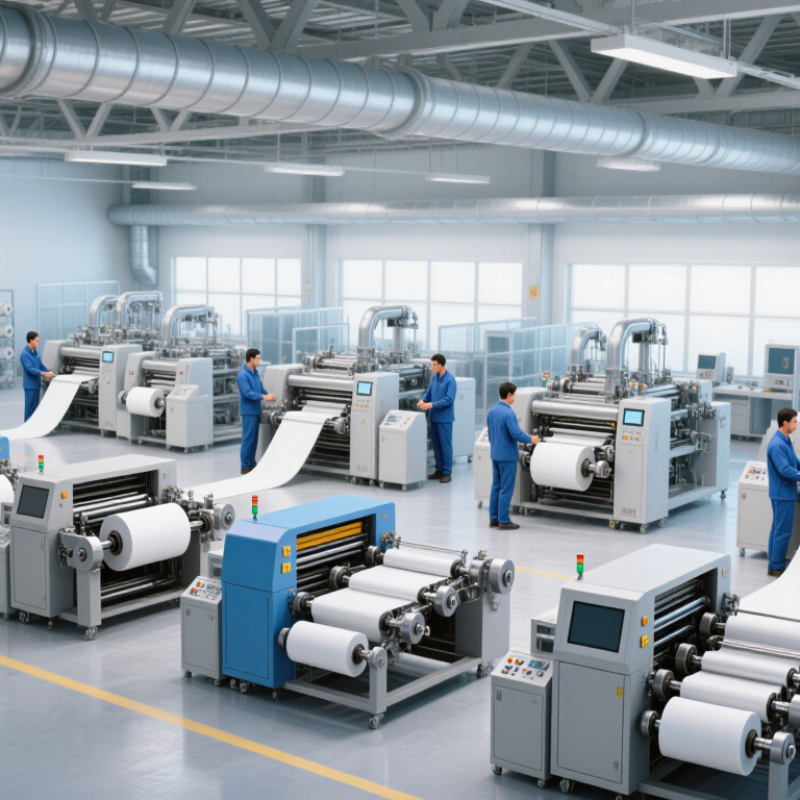
China Top 10 Soft Lamination Machine Suppliers

What Is a Soft Lamination Machine?

A soft lamination machine bonds flexible films into a stronger, functional multilayer structure. It may use solventless, water-based, or solvent-based adhesive systems. The machine usually includes unwinding units, coating rollers, laminating rollers, tension controls, and a curing section.

During production, one film travels through the coating station while another film meets it under controlled pressure. Heated rollers can improve bonding and surface contact. Accurate tension matters because thin films stretch easily. Small tension changes may create wrinkles, edge waves, or uneven thickness. The finished web often enters a curing area before slitting and packaging.

Soft lamination does not always mean a soft-touch surface. That assumption causes confusion. Sometimes the term describes flexible packaging lamination, while other machines create a velvet-like coating. Operators should confirm the required structure, adhesive, barrier level, and final feel before selecting equipment. Film compatibility is equally important. A strong adhesive cannot correct poor surface treatment or contaminated material.

In daily operation, experienced technicians check coating weight, nip pressure, drying conditions, and roll alignment. They also test peel strength and inspect the laminate under angled light. This reveals bubbles, streaks, and trapped dust. Results can vary with humidity and film storage. Reliable production needs recorded settings, clean rollers, and regular calibration. Even then, a perfect first run is not guaranteed. Better control often comes from careful adjustment, not maximum machine speed.

How China’s Soft Lamination Machine Industry Has Developed

China’s soft lamination machine industry has developed from basic converting equipment into a more controlled manufacturing sector.

Earlier machines often focused on speed and simple film bonding. Today, suppliers increasingly improve coating accuracy, web tension, curing stability, and operator safety. These changes reflect stronger demand from flexible packaging, medical materials, and consumer goods production.

Factory experience has shaped this progress. Engineers now study adhesive viscosity, film thickness, roller pressure, and drying temperature together.

A stable machine can reduce wrinkles, bubbles, and uneven edges during long production runs. Solventless and water-based lamination systems are also gaining attention because manufacturers seek lower emissions and cleaner workshops.

In practical testing, small details matter. A poorly calibrated tension sensor can waste an entire roll.

The industry is not perfect. Some suppliers still describe maximum speed more confidently than real production conditions justify. Actual output may fall when films are thin, delicate, or difficult to unwind. Buyers should examine trial results, maintenance access, spare-part support, and energy use instead of trusting brochures alone. Reliable suppliers provide traceable test data, clear operating instructions, and responsive technical training. China’s development is substantial, but consistency remains an ongoing challenge across different factories and applications.

China’s Top 10 Soft Lamination Machine Suppliers

China’s Top 10 Soft Lamination Machine Suppliers deserve careful comparison, not a quick ranking. These manufacturers often serve flexible packaging, labels, medical films, and household wraps. Such applications require stable coating, accurate web tension, and reliable curing control. Small defects matter.

From practical factory evaluations, I would inspect running samples before discussing prices. Ask suppliers to laminate the same film structure under identical conditions. Check bonding strength, coating uniformity, wrinkle control, and energy use.

A useful machine should maintain performance during speed changes, not only during a short demonstration. Operators also need clear controls, accessible rollers, and safe cleaning procedures.

Technical documents should state working width, speed range, adhesive compatibility, heating accuracy, and after-sales response times. Request references from factories with similar materials and production volumes.

China’s Top 10 Soft Lamination Machine Suppliers may differ greatly in customization, spare-part support, and commissioning quality. A low quotation can hide training costs or delayed components.

No supplier is perfect. Even experienced teams may underestimate installation space, ventilation, or local electrical requirements. That is where careful planning becomes more valuable than attractive specifications.

Key Technologies and Applications of Soft Lamination Machines

Soft lamination machines bond flexible materials without damaging their delicate surfaces. They commonly combine plastic films, aluminium foil, paper, and barrier webs. Solventless adhesive systems reduce drying demand, while solvent-based systems still support specific high-performance structures. Water-based options suit selected paper and film applications, but moisture control remains critical.

Accurate adhesive metering is a core technology. A coating gap of only a few microns can affect bond strength and appearance. Automatic tension control helps prevent wrinkles during high-speed web movement. Heated rollers support stable curing and improve contact between layers. Corona treatment can raise surface energy before coating, especially on low-adhesion films. Inline cameras may detect streaks, bubbles, and edge defects before large quantities are wasted.

These machines serve food packaging, medical pouches, personal-care sachets, labels, and industrial barrier materials. Operators must match adhesive chemistry, substrate thickness, line speed, and curing time. A structure that works for dry goods may fail with oily contents or refrigeration. Small changes matter.

No machine is perfect. Dust, uneven tension, or inaccurate temperature readings can still create weak areas. In practical production, inspection data should guide adjustments rather than replace operator judgment. Some settings require repeated trials, and that is easy to underestimate. Reliable results come from documented procedures, trained technicians, and testing under realistic storage conditions.

How to Choose the Right Chinese Soft Lamination Machine Supplier

China Top 10 Soft Lamination Machine Suppliers

Choosing a Chinese soft lamination machine supplier requires more than comparing prices. Smithers’ flexible packaging outlook reports annual global market growth of roughly 4% through 2028. That growth increases pressure on converters to secure stable output, low waste, and responsive technical support. Ask for verified data on line speed, coating weight tolerance, energy use, and adhesive curing time. Request test runs using your actual film structure, not a supplier’s ideal sample.

Experience matters on the factory floor. Inspect the machine’s tension-control system, web alignment, drying zones, and cleaning access. A useful supplier should provide factory acceptance testing, installation guidance, operator training, and spare-parts availability. ISO 9001 certification can support process reliability, but it does not replace an audit. Check calibration records and speak with two recent customers. Quietly, references reveal problems.

PMMI industry research continues to highlight labor shortages and automation as major packaging investment drivers. Therefore, evaluate recipe storage, alarm records, remote diagnostics, and changeover time. Ask how the supplier handles wrinkles, bubbles, uneven coating, and emergency repairs. Do not trust the fastest promised speed. It may only work with thin, forgiving materials. A slower trial with measurable waste data is more honest. I would also compare total ownership cost over five years, including electricity, solvent or adhesive consumption, maintenance, training, and downtime. The cheapest quotation can become expensive very quickly.

China Top 10 Soft Lamination Machine Suppliers - How to Choose the Right Chinese Soft Lamination Machine Supplier

Supplier Evaluation Matrix Based on Practical Soft Lamination Machine Selection Criteria

No. Evaluation Dimension Recommended Benchmark What to Verify with the Supplier Suggested Weight Selection Priority
1 Lamination Structure Compatibility Compatible with common flexible packaging structures, including PET/PE, BOPP/CPP, PET/AL/PE and paper-based laminates. Request verified trial results for the exact film, foil, paper and adhesive combinations used in your production. 18% Critical
2 Working Width and Speed Select a working width that matches the largest required web size; typical flexible-packaging lines are commonly configured from approximately 1,000 mm to 1,600 mm. Confirm usable width, rated speed, stable production speed and output at the actual material thickness. 14% Critical
3 Adhesive Application System The machine should support the adhesive technology required by the project, such as solvent-based, solventless or water-based lamination. Check coating range, adhesive metering accuracy, mixing control, cleaning requirements and changeover procedure. 14% Critical
4 Coating Weight Accuracy A suitable line should maintain consistent adhesive coating across the web and minimize coating-weight variation during continuous production. Ask for coating-weight tolerance, automatic control functions, test methods and production samples. 12% High
5 Web Tension and Alignment Control Closed-loop tension control, edge guiding and stable unwinding are important for thin films, printed webs and multi-layer structures. Verify tension range, sensor configuration, edge-guide accuracy and performance during acceleration and deceleration. 10% High
6 Curing and Rewinding Performance The system should provide uniform curing conditions and produce rolls with consistent hardness, alignment and appearance. Review curing temperature or aging requirements, winding pressure control, roll diameter range and finished-roll quality. 10% High
7 Automation and Operator Interface A modern control system should provide recipe storage, production monitoring, alarm history and parameter adjustment through an industrial HMI. Confirm language options, remote diagnostics, data export, password management and operator training requirements. 8% Medium
8 Safety and Compliance Documentation The equipment should include guarding, emergency stops, safety interlocks, electrical documentation and operating instructions. Request risk-assessment documents, electrical schematics, maintenance manuals and certificates required for the destination market. 8% High
9 After-Sales Service and Spare Parts Reliable technical support, clear warranty terms and timely access to wear parts are essential for reducing downtime. Check response time, spare-parts list, warranty duration, installation support, troubleshooting procedures and service coverage. 9% Critical
10 Total Cost of Ownership The purchase decision should include machine price, shipping, installation, energy use, adhesive waste, maintenance and replacement parts. Compare complete quotations using the same technical scope, delivery terms, commissioning services and expected operating costs. 7% High
Recommended Evaluation Method: Score each supplier from 1 to 5 for every dimension, multiply the score by the suggested weight, and compare the total result after confirming machine trials, technical documents and after-sales support.