How to Choose the Best PET Release Film for Your Needs?
Choosing the right PET Release Film can significantly impact your projects. This film is essential in various industries, from packaging to electronics. Many options exist, but not all are suitable for every application.
You should consider factors like adhesion, thickness, and temperature resistance. These details affect the performance and longevity of the film. Not every product will meet your specific needs. Therefore, understanding your requirements is crucial. It’s not just about selecting a film; it's about choosing the right solution.
Identifying the best PET Release Film can be complex. It requires both knowledge and experience. Some films may perform well in certain situations but fail in others. Reflecting on previous choices helps in making better decisions. This can lead to improved outcomes in your projects.
Understanding PET Release Film and Its Applications
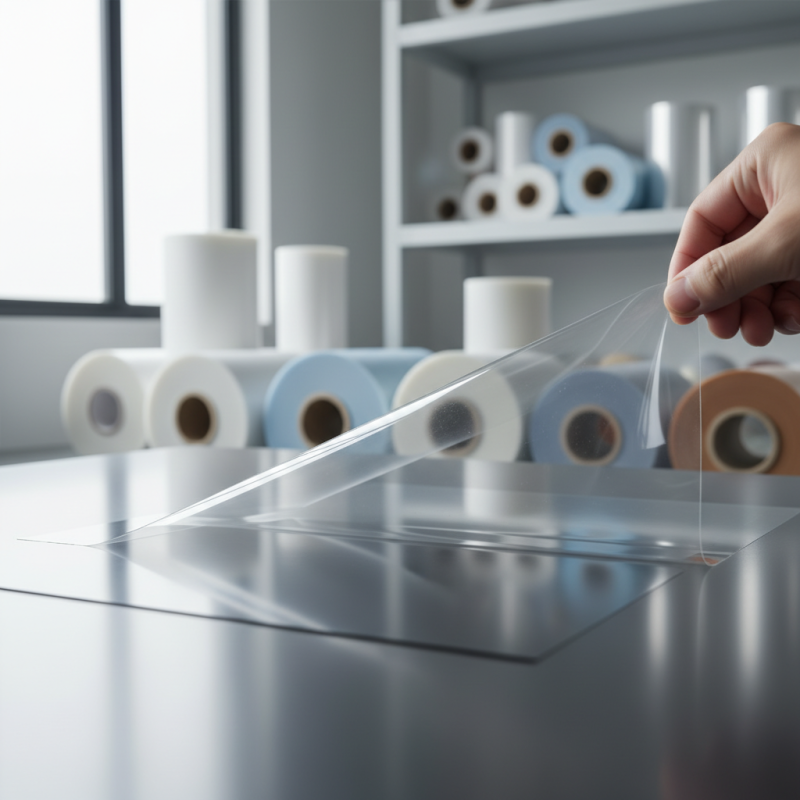
PET release film is a versatile material used in various industries. It serves as a protective layer in manufacturing and packaging processes. Common applications include adhesive tapes, labels, and protective films. Understanding its role is essential for making informed choices.
This film is primarily made from polyethylene terephthalate. Its unique properties include high clarity and good chemical resistance. These features make it suitable for sensitive applications. However, not all PET films are created equal. The thickness and release properties vary widely. This inconsistency can lead to unexpected results in production.
When selecting PET release film, consider your specific needs. Different applications may require varying degrees of adhesion and release. For example, a film designed for adhesive applications might not perform well in lamination. Testing samples in actual conditions is often necessary. This approach helps identify the right film for your project.
Key Properties of PET Release Film to Consider
When selecting a PET release film, it's crucial to understand its key properties. One significant characteristic is the level of release force. This refers to how easily the material separates from the adhesive. A higher release force can be beneficial in certain applications, while a lower force might be necessary for others. Understanding your specific needs will guide you in making the right choice.
Another property to consider is temperature resistance. Depending on your production processes, you may need a film that can withstand high temperatures without losing performance. Films that can tolerate extreme conditions often have enhanced reliability. Awareness of how these factors align with your production environment will help avoid potential issues.
Additionally, evaluate the clarity and gloss of the film. A clear and glossy surface can improve the aesthetic of the final product. However, not all applications require high clarity. Sometimes, a matte finish might be more appropriate. This diversity in options can make choosing the right film complicated yet essential for success. Continuous learning about these properties and reflecting on past experiences can lead to better decision-making.
Factors Influencing the Selection of PET Release Film
Choosing the right PET release film can be tricky. Several factors come into play when selecting the ideal type. One critical aspect involves the film's release properties. A study by the Flexible Packaging Association highlighted that about 70% of users prioritize the ease of release. This is crucial in applications like adhesive bonding and lamination.
Another important factor is thickness. Films with varying thicknesses can be suitable for different processes. According to a recent report, 50% of manufacturers found that thinner films allowed for better handling and customization. However, they may not provide the same durability as thicker options. Users must consider the trade-offs between flexibility and strength.
The surface texture also matters significantly. Smooth or textured surfaces affect how the film interacts with the adhesive. Research indicates that 60% of professionals prefer textured options for enhanced grip. Yet, this may lead to complications in specific applications, such as roller applications, where smoother surfaces are often more effective. Understanding these nuances can greatly impact workflow efficiency.
Comparing Different Types of PET Release Films Available
When selecting a PET release film, it’s crucial to compare the various types available. PET films vary in thickness, finish, and adhesive properties. A thicker film provides more durability, while a thinner film may offer better flexibility. Reflecting on your specific needs will help guide your choice.
Different finishes can impact performance. Smooth finishes are great for easy release, while textured surfaces can improve grip. Consider the application too; if high-temperature processes are involved, ensure the film can withstand such conditions.
Tips: Test samples before committing to a bulk order. Experiments with different finishes might yield surprising results. Keep track of which films perform best in your processes. While these factors seem straightforward, minor differences can significantly affect the outcome of your project.
Best Practices for Using and Handling PET Release Film
When selecting and using PET release film, adherence to best practices is crucial. Proper handling can significantly impact film performance and product quality. For instance, studies show that 70% of film defects arise from improper storage and handling procedures. It is recommended to keep PET film in a controlled environment, away from direct sunlight and extreme temperatures. Storing rolls upright and avoiding moisture can prevent film damage.
During application, ensure clean surfaces. Contaminants can affect adhesion and lead to defects. In fact, a detailed analysis reported that 40% of application failures were linked to surface cleanliness. Use gloves when handling the film to avoid leaving fingerprints or oils. Applying a consistent, even pressure while using PET film enhances adhesion and performance.
Cleanup and disposal also play a role in best practices. After use, consider recycling options where possible. Many facilities are now capable of recycling certain types of PET films. However, improper disposal methods can lead to environmental concerns. Evaluating local regulations and guidelines can help in making informed decisions about disposal. Failing to do so could result in increased waste and impact your sustainability goals.