2026 How to Choose the Right Groove Ball Bearing for You?
Choosing the right Groove Ball Bearing can greatly influence the performance of your machinery. The world of bearings is intricate and often overwhelming. With various sizes, materials, and designs available, it’s essential to understand your specific needs.
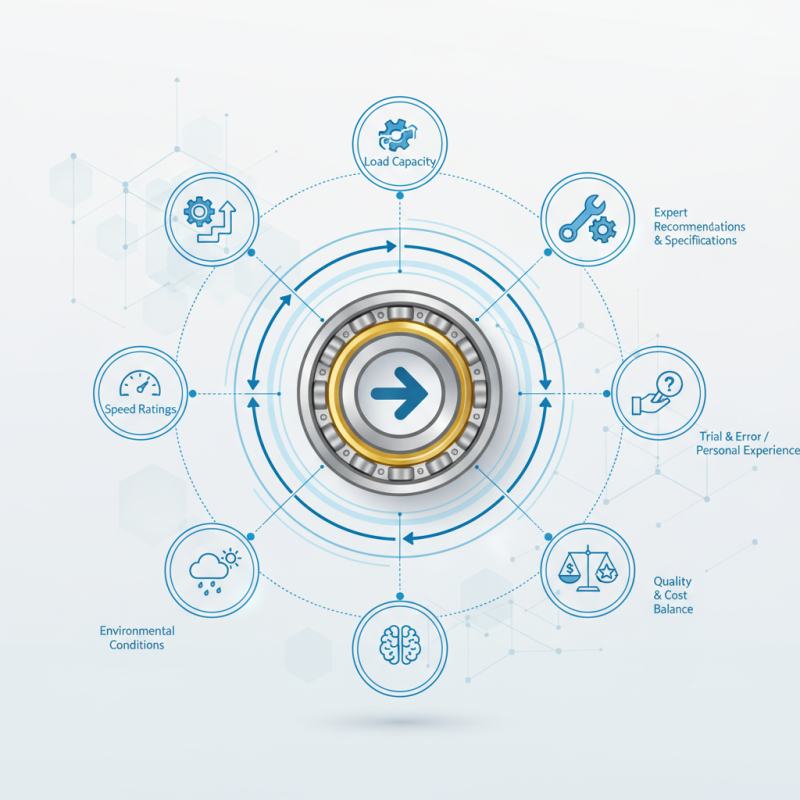
When evaluating Groove Ball Bearings, consider factors such as load capacity, speed ratings, and environmental conditions. Each bearing serves a distinct purpose. A wrong choice might lead to malfunction or premature wear. For example, high-speed applications require bearings designed for that specific function. Your selection should align with the operational demands of your equipment.
Much relies on expert recommendations and detailed specifications. However, personal experience plays a crucial role too. As you explore options, remember that trial and error is often part of the learning process. Understanding the balance between quality and cost is essential. Keep in mind, not every expensive bearing guarantees better performance. Take the time to reflect on your requirements, and don’t hesitate to seek advice. The right Groove Ball Bearing can enhance efficiency, but only if chosen wisely.
Understanding Groove Ball Bearings: Definition and Types
Groove ball bearings are essential components in many mechanical systems. These bearings help reduce friction and support rotational and linear movement. Understanding their types and characteristics is crucial for selecting the right one for your needs.
There are several types of groove ball bearings. Deep groove ball bearings are the most common, known for their versatility. Their design can accommodate both radial and axial loads. According to an industry report, they account for approximately 70% of the bearing market. Angular contact ball bearings, on the other hand, are designed to handle higher axial loads and are ideal for applications requiring precision. Their ability to improve rotational accuracy makes them valuable in high-speed machinery.
However, choosing the right bearing isn't always straightforward. Factors such as load ratings, operating temperature, and speed must be considered. Misjudgments can lead to early failures, impacting productivity. A study indicated that incorrect bearing selection can result in a 30% increase in maintenance costs. This highlights the importance of thorough research and consultation with experts. Always analyze your specific application requirements before making a decision to ensure optimal performance.
2026 How to Choose the Right Groove Ball Bearing for You? - Understanding Groove Ball Bearings: Definition and Types
| Type | Material | Load Capacity (N) | Maximum Speed (RPM) | Temperature Range (°C) |
| Deep Groove Ball Bearing | Chrome Steel | 2000 | 5000 | -20 to 120 |
| Angular Contact Ball Bearing | Stainless Steel | 1500 | 6000 | -40 to 150 |
| Self-Aligning Ball Bearing | Carbon Steel | 1000 | 4000 | -30 to 100 |
| Thrust Ball Bearing | Bronze | 3000 | 3000 | -20 to 80 |
| Miniature Ball Bearing | Plastic | 500 | 8000 | -10 to 60 |
Key Factors to Consider When Selecting Groove Ball Bearings
Choosing the right groove ball bearing can be challenging. Many factors influence the selection process. One critical aspect is the load capacity. According to industry reports, the proper load rating can significantly extend the bearing's lifespan. Exceeding the load limits may lead to premature failure. Understand the specific loads your application will encounter.
Another essential factor is the bearing’s speed rating. The operating speed impacts the heat generated. Inadequate speed ratings can result in overheating and damage. The correct bearing can withstand higher speeds while maintaining performance. Statistical data indicates that bearings often fail under miscalculation of these speeds.
Material composition is also vital. Common materials include steel and ceramic. Steel offers durability, while ceramic provides lightweight options. These choices affect wear resistance and friction levels. Industry insights highlight that bearings with low-friction materials enhance efficiency. Balancing these factors requires careful consideration of your specific application needs. Reflecting on these details will lead to more informed decisions.
2026 How to Choose the Right Groove Ball Bearing for You?
Material Selection: Choosing the Right Material for Durability
When selecting groove ball bearings, material choice is crucial for durability. A common option is stainless steel, known for its resistance to corrosion and toughness. This material performs well in harsh environments but can be heavy. Weight affects speed and efficiency, needing careful consideration.
Polymer bearings offer a lightweight alternative. They resist chemicals and are non-conductive, making them ideal for specific applications. However, they may lack the load capacity of metal counterparts. In high-load situations, relying solely on polymers can lead to premature failure.
In summary, understanding the trade-offs of each material is essential. Weighing durability against performance helps find the right balance. Selecting the best material requires thorough analysis of application and environment. Reflecting on these aspects will improve your decision-making process in choosing groove ball bearings.
Load Ratings and Performance Metrics in Groove Ball Bearings
When selecting a groove ball bearing, load ratings and performance metrics are crucial considerations. Load ratings indicate how much weight a bearing can support. This figure directly affects its lifespan and reliability. A bearing with a higher load rating can handle heavier loads, ideal for demanding applications. Monitoring load limits prevents premature failure.
Performance metrics involve more than just load ratings. Factors like rotational speed and environmental conditions play significant roles. For instance, high speeds can generate heat. Excessive heat can damage bearings. Ensuring appropriate lubrication will help maintain optimal performance. This connection between load, speed, and maintenance is essential yet often overlooked.
Understanding these elements can be challenging. Many users choose bearings solely based on load ratings, neglecting other factors. This oversight can lead to poor performance or even failure. It's important to assess all metrics and test bearings in your specific setup. Balancing these considerations ensures longer-lasting and reliable operation, ultimately enhancing efficiency.
Installation and Maintenance Tips for Groove Ball Bearings
When selecting groove ball bearings, installation and maintenance are crucial. Proper installation ensures optimal performance. Misalignment can lead to premature failure. According to industry reports, around 30% of bearing failures stem from installation errors. Use alignment tools for accuracy.
Tips: Ensure the mounting surface is clean. Debris can lead to uneven wear. A clean environment prolongs bearing life. Apply moderate torque when tightening. Over-tightening can cause deformation, impacting functionality.
Regular maintenance is essential. Monitor temperature and noise levels. Abnormal readings often indicate issues. In fact, about 40% of bearings fail due to inadequate lubrication. Establish a lubrication schedule. Clean the bearings periodically, addressing any potential contaminants.
Tips: Use the correct lubricant type. Using the wrong lubricant can cause failures. Consider environmental factors affecting lubrication. Adjust your maintenance protocols accordingly. Regular checks can prevent unexpected downtime while improving overall performance.