How to Choose Round Filter Press at 139th Canton Fair?
The 139th Canton Fair is an excellent opportunity for industries seeking efficient solutions, including the Round Filter Press. This event will be held across three phases, focusing on advanced manufacturing and machinery. Research shows that the demand for filter presses has surged, with an annual growth rate of 5.4%. Such data highlights the filtering equipment's importance in various sectors, including mining and wastewater treatment.
Attending the Canton Fair allows buyers to explore the latest innovations in Round Filter Press technology. Notably, the introduction of AI features will streamline the procurement process. Buyers can identify ISO and CE certified suppliers quickly. However, this reliance on technology raises concerns about potential oversights in evaluating suppliers. The challenge lies in balancing efficiency with thorough supplier assessments.
Navigating a vast expo of 1.55 million square meters can be daunting. Utilization of advanced navigation tools is essential for maximizing time and resources. Buyers must remain vigilant and critical in their selection process to ensure they invest in high-quality machinery that meets their specific needs. The Round Filter Press industry may be thriving, but discerning the best options requires careful consideration and informed decision-making.
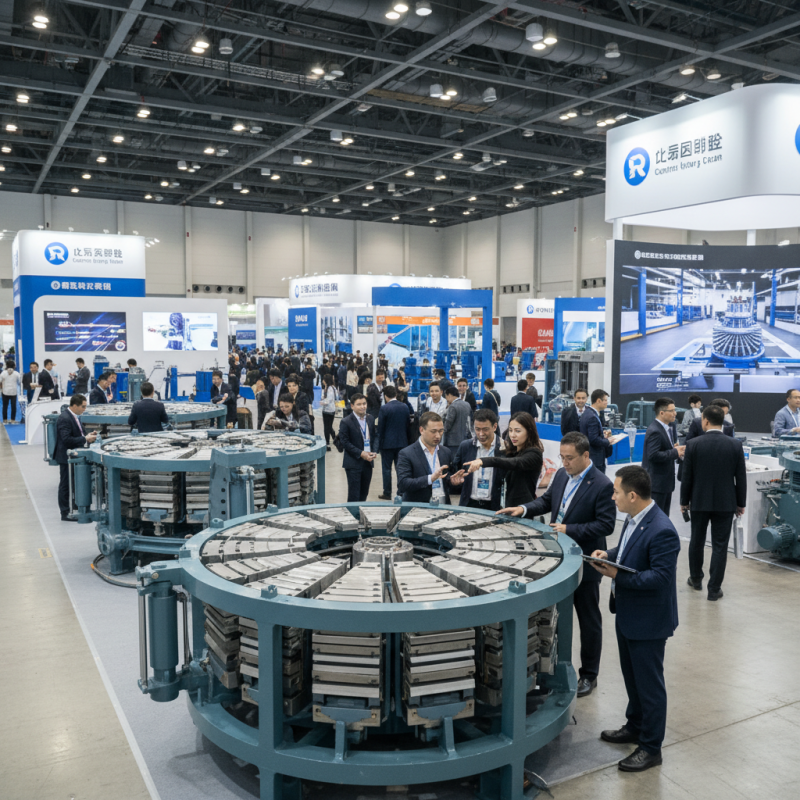
Factors to Consider When Choosing a Round Filter Press
Choosing a round filter press is essential for effective filtration processes. When selecting one at the 139th Canton Fair, consider the material used. High-quality materials ensure durability and better performance. Stainless steel or corrosion-resistant options are often preferred. They resist wear and can handle various chemicals.
Another important factor is the filter area. The size of the filter press affects the filtration rate and efficiency. Assess the volume of slurry you need to process. A press too small may limit productivity. A larger press consumes more space and resources, so balance is key.
Pay close attention to the design features. Automated models can improve efficiency. Manual options may require more labor. Reflect on your operational needs. Cost-effectiveness is crucial, but don’t compromise on quality. Sometimes, the cheapest option might lead to higher long-term expenses. Think deeply about your specific requirements before making a decision.
Key Features of Round Filter Press to Look For
Choosing the right round filter press is crucial for efficient liquid-solid separation. At the 139th Canton Fair, several key features should be considered. One significant aspect is the filtration area. Larger filter areas can significantly enhance the volume processed. According to industry reports, filter presses with a larger filtration area can improve efficiency by up to 25%.
Another important feature is the type of membrane used. Membrane filter presses provide faster filtration rates and better cake washing. Data suggests that using membrane technology can decrease filtration time by 30%. This can lead to reduced operational costs and increased productivity.
The construction material also plays a vital role. Stainless steel offers better durability and resistance to corrosion. However, it can be more expensive. Evaluating the trade-off between cost and longevity is essential. Some buyers overlook this and face higher replacement costs later on. Additionally, ease of maintenance is often neglected. Regular maintenance keeps machines running smoothly but requires proper design for access.
How to Choose Round Filter Press at 139th Canton Fair? - Key Features of Round Filter Press to Look For
| Feature | Importance | Recommended Specifications |
| Material of Filter Plates | Durability and Corrosion Resistance | PP or Stainless Steel |
| Filter Area Size | Efficiency of Filtration | 50 to 200 m² |
| Pressure Rating | Performance and Safety | Up to 25 bar |
| Type of Drive System | Operational Efficiency | Hydraulic or Mechanical |
| Automation Level | Ease of Use and Labor Costs | Fully Automated |
| Cleanability | Maintenance Effort | Quick Release Mechanism |
Comparison of Different Round Filter Press Models at Canton Fair
When attending the 139th Canton Fair, exploring round filter press models is essential. Each model offers unique features. It's vital to compare these machines based on size, material, and filtration efficiency.
Some models are compact, making them ideal for smaller operations. Others are larger and suitable for heavy-duty tasks. Observe the build quality. Materials used in construction can significantly impact durability. Pay attention to maintenance needs, which vary between models.
Not all filter presses are easy to operate. Some might require specialized training. Ask questions during demonstrations. Take notes on the filtration rates each model promises. Consider the size of the batches you plan to process. Visualize how each filter press fits into your workflow. It's all about finding the right match for your specific needs.
Evaluating Supplier Credibility and Product Quality
When attending the 139th Canton Fair, evaluating supplier credibility is crucial. A reliable supplier should have a strong online presence. Regulatory compliance is key. According to industry research, 75% of buyers prefer suppliers with certifications. These documents assure product quality and operational integrity.
Product quality is non-negotiable. Look for transparency in material sourcing. A notable report indicates that 68% of buyers faced issues due to poor quality filters. This can lead to significant operational downtime. Engage with potential suppliers. Ask for samples to assess durability and functionality. On-site inspections also reveal much about a supplier's production environment.
Not all suppliers sustain quality over time. A focus on short-term gains can compromise product integrity. Real-world data shows that 80% of failed partnerships stem from quality disputes. Thus, prioritize long-term reliability, and maintain open channels for feedback. This ensures that you select a filter press that meets your specific needs over time.
Tips for Effective Negotiation and Purchase at the Fair
Attending the 139th Canton Fair presents a unique opportunity to choose a round filter press. Effective negotiation is crucial during this event. According to recent industry reports, the filter press market is projected to grow significantly, with a CAGR of 4.2% from 2021 to 2026. This growth highlights the increasing demand for high-quality filtration solutions.
When negotiating, focus on key factors. Don't rush the decision. Gathering detailed specifications can make a difference. Engage with suppliers and ask about their technology. Often, the best deals result from open discussions. Some suppliers may offer discounts, while others might not. Understanding this dynamic is essential. It’s worth exploring various options available at the fair.
Moreover, be mindful of quality versus cost. Sometimes, lower-priced equipment brings more challenges. Inadequate technology can lead to inefficiencies. A recent survey indicated that 30% of businesses regret poor purchasing decisions made under pressure. Take the time to verify details. Ask for references or case studies where possible. Finding a balance between price and quality is key for long-term success.