
Choosing the right Steel Threaded Lifting Socket is a safety decision, not merely a hardware purchase. On construction sites, I have seen small details create serious uncertainty: shallow thread engagement, damaged lifting eyes, or sockets installed before concrete reaches its specified strength. The connection may look secure. It may still be unsuitable.
Professional guidance provides a practical starting point. OSHA 29 CFR 1926.251 requires lifting accessories to be inspected before use and removed when defects affect safe operation. ASME B30.26 also emphasizes identification, inspection, and working load limits for below-the-hook devices. These requirements support a careful selection process. Verify the socket’s rated capacity, thread size, steel grade, installation depth, and compatibility with the lifting insert. Concrete strength matters too. A socket cannot safely compensate for weak concrete or poor anchorage.
Independent market research also shows why this topic deserves attention. Grand View Research identifies continuing growth in global construction equipment demand, driven by infrastructure investment and industrial expansion. More lifting operations mean more embedded lifting connections in precast walls, panels, beams, and façade units. Yet market growth does not guarantee correct product selection. That assumption needs challenging.
This guide examines how to compare socket designs, load directions, corrosion protection, certification records, and manufacturer testing. Look for traceable markings and documented proof-test results. Confirm the design with a qualified engineer when loads are dynamic, angled, repetitive, or unusually heavy. The right Steel Threaded Lifting Socket should fit the application precisely, not simply appear strong enough.
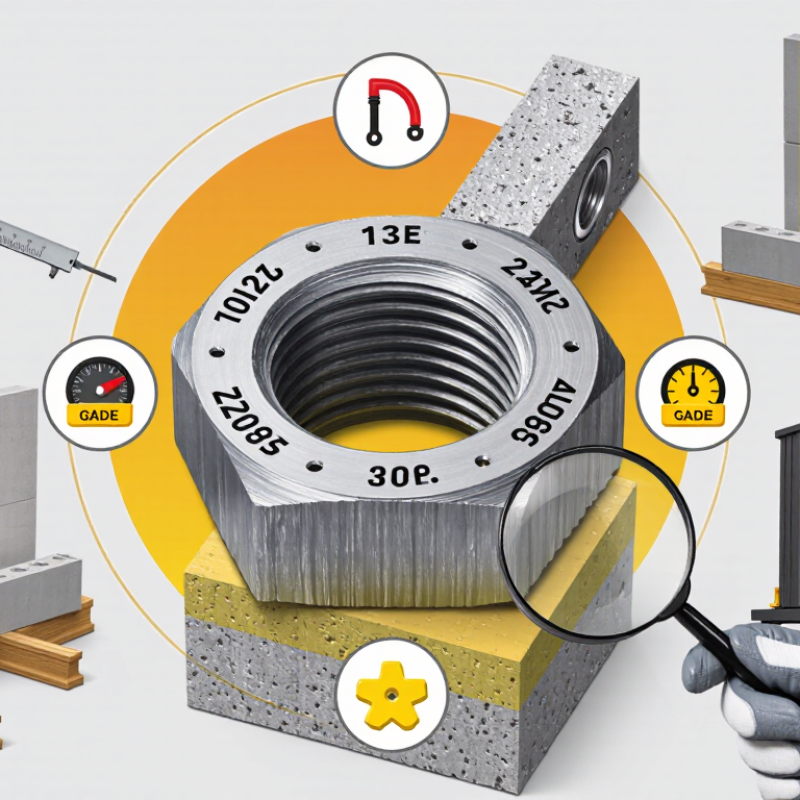
Define the load before selecting the socket. Record the maximum lifted mass, not its average weight. Include impact, acceleration, sling angle, and uneven loading. A 2-ton load can create much higher forces during sudden movement. The ILO reported about 2.93 million work-related deaths and 395 million non-fatal injuries globally in 2019. Lifting decisions deserve that level of caution.
Select a socket with a clearly stated Working Load Limit, supported by test documentation and inspection records.
Check the connection in detail. Confirm thread diameter, pitch, engagement length, steel grade, and concrete strength. The socket must sit fully against the load surface. Short engagement is a common site error. It may look secure, but the threads can strip under shock loading. Follow the relevant requirements in ASME B30.26 and the design principles of ASME BTH-1. These documents emphasize identification, rated capacity, design category, and controlled inspection. Do not replace verified data with a familiar-looking dimension.
Application conditions can change the choice. Consider repeated lifting, side loading, corrosion, tight access, and the lifting temperature. A socket used in wet concrete needs suitable corrosion protection and adequate anchorage. Keep the force aligned with the socket axis. I still recheck this on drawings, because real lifting points rarely behave perfectly. The European Agency for Safety and Health at Work identifies poor planning and inadequate equipment selection as recurring contributors to work accidents. A small design review can expose a large weakness.
And sometimes, the safest decision is rejecting the socket.
How to Choose the Right Steel Threaded Lifting Socket?
Steel grade is the first practical filter when selecting a threaded lifting socket. Carbon steel suits controlled indoor conditions and routine lifting applications. Alloy steel offers higher strength when loads are heavy or impact is possible. Stainless steel resists corrosion, but its strength and thread behavior require careful verification. Do not choose by strength alone. Check yield strength, coating, weld compatibility, and the surrounding concrete design. A shiny surface does not guarantee a safer socket.
Thread type must match the lifting hardware exactly. Metric, UNC, and UNF threads are not interchangeable. Coarse threads usually tolerate dirt and minor damage better during site work. Fine threads can provide greater adjustment, but they demand cleaner engagement. Measure diameter, pitch, and usable thread length before ordering. A few engaged turns are not enough. Thread engagement should follow the engineered load requirement and the manufacturer’s certified data.
Socket configuration depends on load direction and installation space. Flush sockets suit clean surfaces, while recessed versions protect the connection from impact. Swivel configurations can reduce bending when the load shifts slightly. Fixed sockets may be simpler, yet they punish poor alignment. Inspect reinforcement clearance, anchorage, edge distance, and concrete strength before lifting. Field conditions rarely match the drawing perfectly. I have seen small placement errors create large force changes. Recheck the setup, even when the calculation looks convincing.
Comparison of typical steel strength, thread selection, and socket configuration factors
ASTM A193 Grade B7 provides the highest strength in this comparison. Stainless grades offer lower strength but better corrosion resistance.
Coarse threads generally provide faster assembly and better resistance to damage. Fine threads can offer greater adjustment precision and increased tensile area.
Choose a flush socket for concealed installations, a lifting-eye socket for direct rigging, or a removable socket where temporary lifting points are required.
Strength values are representative minimum or commonly published mechanical-property values at room temperature: ASTM A193 B7, AISI 304 stainless steel, AISI 316 stainless steel, and normalized AISI 1045 carbon steel. Actual lifting capacity must be determined from the certified socket design, thread engagement, installation method, safety factor, and applicable lifting standard.
Choosing a steel threaded lifting socket begins with its Working Load Limit (WLL), not its appearance. Confirm the WLL for the exact lifting angle, thread size, load direction, and connection method. ASME BTH-1 requires below-the-hook devices to be designed around rated load, service conditions, and defined design categories. A socket that looks oversized may still fail under side loading.
Check the manufacturer’s test documentation, material grade, proof-load results, and traceable identification. OSHA 1910.184 requires lifting equipment to show its rated capacity and to be inspected before use. Never treat a safety factor as extra lifting capacity. The safety factor protects against uncertainty, wear, shock loading, and imperfect assumptions. It does not permit exceeding the marked WLL.
A 1,000-kilogram WLL remains 1,000 kilograms.
Real sites are rarely perfect.
Tips: Measure the bolt or stud carefully. Clean damaged threads before installation. Keep the socket aligned with the load path. Stop when threads feel tight, uneven, or cross-threaded. Record inspections, not just failures. ASME B30.20 also emphasizes inspection and marking practices for below-the-hook lifting devices.
Consider dynamic loading from sudden starts, swinging loads, or crane braking. My practical mistake was trusting a familiar connection without checking thread engagement. That shortcut deserved more doubt.
When documentation conflicts with field conditions, quarantine the socket and obtain a competent engineer’s assessment.
Choosing a steel threaded lifting socket starts with accurate dimensions, not appearance. Measure the thread diameter, pitch, socket length, and opening depth. Compare these figures with the lifting insert, threaded accessory, and approved load data. A small pitch difference can prevent full engagement. It may also damage the threads under load.
Check the concrete element and reinforcement layout before installation. The socket needs enough embedment and concrete cover for proper load transfer. Confirm that its position will not clash with rebar, ducts, edge zones, or nearby anchors. On site, a dry test fit helps reveal alignment problems early. Keep the thread clean, and protect it from concrete, grit, and standing water. Do not force a mismatched component.
Installation conditions often decide whether a suitable socket performs safely. Review the concrete strength required before lifting, then follow the specified tightening method and torque. Inspect the socket for distortion, corrosion, blocked threads, or hairline damage. I once assumed a clean-looking thread was serviceable; a gauge check showed otherwise. That mistake was small. The risk was not.
The lifting direction also matters. Check whether the socket is rated for vertical, angled, or multi-directional loading. Confirm sling angles and clearance around the lifting point. If site conditions differ from the design assumptions, stop and ask a qualified engineer to reassess the arrangement. Never treat a successful trial lift as proof of permanent safety. Proper records should include dimensions, batch details, installation date, concrete strength, and inspection results.
A steel threaded lifting socket must be inspected before every lifting operation. Check the threads for flattening, galling, cracks, or metal distortion. Look closely at the socket body, shoulder, and lifting eye. Rust under the surface can hide serious weakness. Do not rely on appearance alone.
Clean the socket with a suitable solvent and a soft wire brush. Remove dirt from the internal threads without cutting the metal. Apply only the lubricant specified for the equipment. Confirm that the socket seats fully and turns smoothly by hand. Never force a cross-threaded connection. Verify the load rating and identification marks before use. A quick glance is not enough.
Remove the socket from service after a shock load, visible cracking, severe corrosion, or damaged threads. Replace it if markings become unreadable or the socket no longer fits correctly. Do not weld, heat, grind, or straighten damaged steel. Those repairs may conceal weakened areas. Store sound sockets clean, dry, and protected from impact. Keep inspection records with dates, findings, and the inspector’s name. A missed detail can matter. When damage is uncertain, isolate the socket and ask a qualified lifting professional for an assessment before reuse.
Practical selection, inspection, maintenance, and replacement guidance for steel threaded lifting sockets
| Decision Area | What to Check | Acceptable Condition | Warning Signs | Recommended Action | Safety Priority |
|---|---|---|---|---|---|
| Intended Application | Confirm whether the socket is designed for lifting, anchoring, concrete installation, or another purpose. | The socket is specifically rated and documented for the planned lifting application. | Unclear purpose, missing instructions, or use outside the stated application. | Do not use an unverified socket for lifting. Obtain the correct technical documentation. | Critical |
| Working Load Limit | Compare the marked Working Load Limit (WLL) with the actual load, including the rigging arrangement and load angle. | The expected lifting force remains within the socket's marked WLL and approved configuration. | Missing or unreadable WLL marking, overload history, shock loading, or uncertainty about load distribution. | Stop the lift. Never estimate capacity from size or appearance; use the documented WLL and obtain a qualified assessment. | Critical |
| Thread Compatibility | Check thread diameter, pitch, thread form, engagement length, and compatibility with the lifting insert or anchor. | Threads match exactly, engage smoothly, and achieve the required engagement specified by the design documentation. | Cross-threading, forced assembly, stripped threads, excessive looseness, or incomplete engagement. | Remove from service and replace or repair only through an approved engineering process. | Critical |
| Steel and Surface Condition | Examine the body, eye, shoulder, welds if present, and load-bearing surfaces for corrosion or mechanical damage. | Steel is free from cracks, bends, deep pitting, severe corrosion, and unauthorized modifications. | Cracks, deformation, gouges, deep rust pits, heat damage, weld repair, or visible section loss. | Quarantine immediately and replace unless a competent person formally approves a documented repair. | Critical |
| Before-Use Inspection | Inspect the socket, threads, contact surfaces, markings, and connected hardware before every lifting operation. | No visible damage; identification and WLL markings are legible; the assembly is clean and correctly fitted. | Any defect that could affect strength, alignment, thread engagement, or secure connection. | Do not lift until the defect has been assessed and the socket is confirmed safe. | Every Use |
| Periodic Examination | Arrange a documented examination at intervals established by applicable regulations, site procedures, usage, and the manufacturer's instructions. | Inspection records identify the socket, date, condition, findings, and person performing the examination. | Overdue inspection, missing records, repeated defects, or use in severe service without additional checks. | Remove from service until a competent person completes and records the required examination. | Scheduled |
| Cleaning | Remove concrete residue, dirt, salt, oil, and other contaminants without damaging the steel or threads. | Threads and bearing surfaces are clean enough for full engagement and accurate inspection. | Contamination prevents full seating, hides cracks, or causes the socket to bind. | Clean using a method suitable for the steel and coating. Do not use cleaning methods that remove identification marks. | Maintain |
| Lubrication | Follow the approved lubrication procedure for the threads and protect against corrosion where applicable. | Lubricant is compatible with the socket, surrounding material, and operating environment. | Dry or seized threads, excessive lubricant attracting abrasive debris, or lubricant that conceals damage. | Clean, inspect, and lubricate only as directed. Never use lubricant to compensate for damaged threads. | Maintain |
| Rigging Alignment | Confirm that the lifting force is applied in the permitted direction and that the socket is not side-loaded or bent. | Load path is aligned with the approved design and connected hardware moves freely without binding. | Side loading, prying, twisting, sharp-edge contact, or a sling arrangement that changes the intended force direction. | Redesign the rigging arrangement before lifting. Use only approved accessories and connection methods. | Critical |
| Environmental Exposure | Consider moisture, saltwater, chemicals, heat, freezing conditions, abrasion, and repeated outdoor use. | The socket material, coating, and inspection frequency are suitable for the working environment. | Accelerated corrosion, chemical attack, coating failure, heat discoloration, or damage from abrasive service. | Increase inspection frequency where necessary and replace the socket if its load-bearing section is affected. | High |
| Overload or Shock Event | Determine whether the socket has experienced overload, sudden loading, dropped loads, impact, or an abnormal event. | No known abnormal event has occurred, or a competent person has completed a formal evaluation. | Any suspected overload, sudden stop, dropped load, or unexplained deformation. | Immediately quarantine the socket. Do not return it to service based only on a visual check. | Critical |
| Replacement Criteria | Evaluate cracks, deformation, severe corrosion, damaged threads, illegible markings, unauthorized repairs, or unknown history. | The socket remains traceable, undamaged, correctly rated, and within its approved service conditions. | Any condition that compromises strength, connection security, identification, or traceability. | Tag and isolate the socket. Replace it with an equivalent, correctly rated component approved for the application. | Mandatory |
| Storage | Store sockets clean, dry, protected from impact, and separated from corrosive chemicals and incompatible materials. | Identification remains visible and the socket is protected from moisture, contamination, and mechanical damage. | Outdoor exposure, standing water, loose storage with heavy items, or contact with corrosive substances. | Clean and dry the socket before storage. Reinspect it before returning it to service. | Maintain |
| Qualified Personnel | Ensure selection, inspection, rigging, and lifting operations are performed by trained and authorized personnel. | Personnel understand the socket's rating, limitations, inspection requirements, and emergency procedures. | Untrained users, improvised rigging, or uncertainty about the load path or equipment capacity. | Stop the task and obtain guidance from a competent lifting professional or engineer. | Critical |
Important: The marked Working Load Limit, applicable lifting regulations, design documentation, and manufacturer instructions always take precedence over general guidance. Never lift a load with a socket that has unknown capacity, damaged threads, visible structural damage, or an unclear inspection history.