How to Choose the Right Water Meter for Your Needs
Choosing the right Water Meter starts with a simple question: what does your system need to measure? A small home, a busy apartment building, and an irrigation line have different flow patterns. A meter that works well in one setting may miss low flows or wear quickly in another. A few details matter. Pipe size, expected flow range, water quality, installation space, and reading method all shape the choice.
Water-resource expert Peter Gleick has long emphasized the value of sound measurement in managing water. The following is a paraphrase of that principle, not a verbatim quotation: “Better water decisions begin with trustworthy measurement.” Keep that idea in view when comparing mechanical, ultrasonic, and electromagnetic meters. Each has trade-offs. Mechanical meters are familiar and often straightforward to maintain, while electronic models can offer remote readings and better visibility into usage. Yet extra features do not automatically mean a better fit.
Before choosing, look at actual demand—not only the pipe diameter or a supplier’s headline specifications. Check whether the meter can register small, steady flows, and ask how it performs when demand peaks. Think about access for maintenance, too; a meter tucked behind a packed utility shelf can become a practical headache. I would not treat any single specification as decisive. Installation conditions, calibration, and routine checks matter just as much. This guide will help you compare the main options, identify useful questions for suppliers, and choose a Water Meter that suits your system without paying for features you may never use.
Define Your Water Metering Requirements
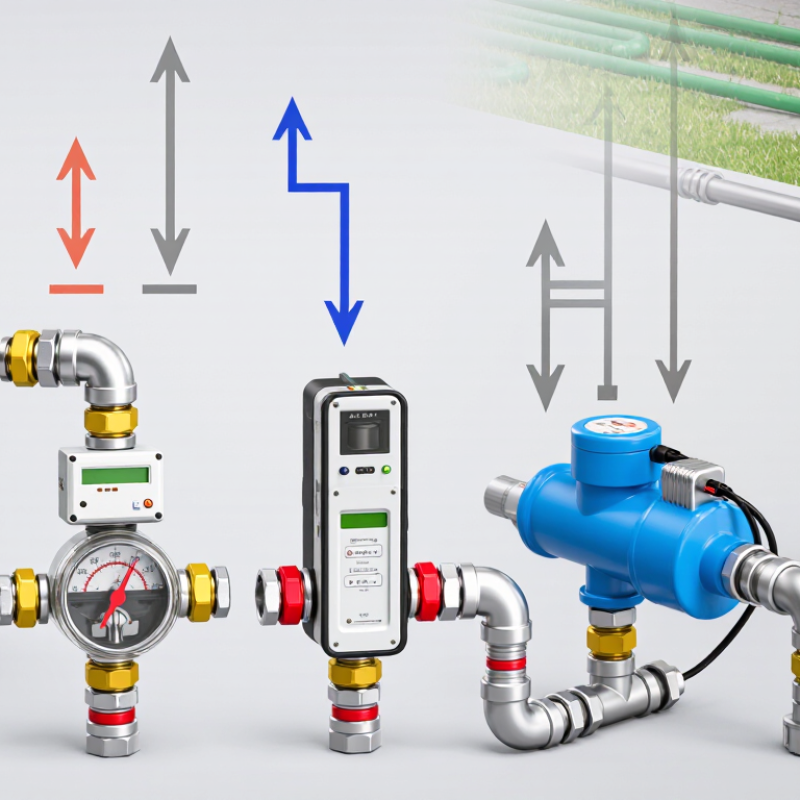
Before comparing meter types, write down what the reading needs to help you decide. Is it for a whole building, an irrigation line, or one process machine? A household line may have a slow overnight trickle and a sharp morning surge. Record the lowest steady flow, typical use, and likely peak flow—not just the pipe diameter. Small details matter.
Check the water and installation conditions. Does the water contain grit or air bubbles? These can affect some meter designs. Note the temperature, pressure, pipe material, available straight-pipe length, and whether the line can be shut off for service. If readings support billing or cost allocation, confirm the accuracy and verification records needed for your application. Do not assume a larger meter is safer: it may miss low flows. Too small, and pressure loss or wear may become a concern.
Decide how readings will be collected and used. A pulse output may suit a basic monitoring system, while remote reporting can help when meters are spread across a site. Check compatibility before choosing; “digital” does not guarantee an easy connection. Also consider access for inspection and battery replacement, if applicable. A tidy spreadsheet can still miss seasonal peaks, so leave room for uncertainty in your estimates.
Understand the Main Types of Water Meters
Water meters mainly use displacement, velocity, electromagnetic, or ultrasonic measurement. A displacement meter traps water in a chamber and counts repeated movements, making it useful in homes with low, intermittent flows. Velocity meters measure how quickly water moves through a passage. Multi-jet designs suit many small service lines; turbine meters are generally better for larger, steadier flows. Electromagnetic and ultrasonic meters have no moving measuring parts, but they need suitable installation conditions and power.
The choice depends on pipe size, expected flow, water quality, and maintenance access. AWWA’s Water Meters manual stresses matching meter performance to the operating flow range; a meter chosen only by pipe diameter can miss small flows or wear prematurely. Small details matter. Check the manufacturer’s stated minimum flow and required straight-pipe length, especially where elbows sit close to the meter. The Water Research Foundation and AWWA’s 2016 Residential End Uses of Water study reported average indoor use of 58.6 gallons per person daily. That figure does not select a meter, but it shows why household demand patterns deserve attention. I still find low-flow needs easy to overlook. A meter that handles peak demand may not register a slow toilet leak reliably.
Compare Meter Features and Measurement Accuracy
How to Choose the Right Water Meter for Your Needs
Compare meters by more than their headline accuracy. Check the specified accuracy across the flow range, especially at low flows. A meter may perform well at steady demand but miss small, intermittent draws. Small differences matter.
Positive-displacement meters often measure low flows effectively, while turbine-style meters suit steadier, higher flows. Ultrasonic meters have no moving parts, but their performance still depends on correct sizing and installation. Check the units. Also compare starting flow, pressure loss, approved installation orientation, and any required straight pipe length. These details can matter as much as the measurement technology.
A common purchasing mistake is choosing a meter that is too large for typical use. It may rarely operate near its best measurement range. Yet selecting solely for low-flow accuracy can also be a poor fit if peak demand is high. Review actual usage patterns, such as overnight flow and simultaneous fixtures, rather than relying only on pipe size. Ask for test conditions and calibration information, and confirm that the meter’s stated accuracy applies to your expected flow rates. Specifications are useful, but they do not replace a careful installation check. Even a good choice can disappoint when fitted poorly.
Check Compatibility, Installation, and Maintenance Needs
How to Choose the Right Water Meter for Your Needs
Start by checking the meter’s connection size, pipe material, and expected flow range. A meter that fits the pipe may still be unsuitable if it cannot measure the household’s lowest or highest flow accurately. Check whether you need a mechanical display, a digital readout, or an output that connects to a monitoring system. Also confirm that the meter is rated for the water and installation conditions in your home. Measure twice. Small details matter.
Plan the installation before buying. Note the direction of flow and whether the meter must sit horizontally or vertically. Some models need straight pipe sections nearby, so tight spaces can complicate fitting. Leave room to read the display and reach the meter for service. A shutoff valve close by can make future work easier. Follow the meter’s instructions, and have a qualified plumber handle changes you are not equipped to make. A rushed installation can cause leaks or unreliable readings.
Think about maintenance, too. Sediment can affect moving parts, while freezing temperatures may damage exposed pipework. Keep the meter accessible, inspect for dampness around its joints, and compare readings periodically for unusual changes. Ask what cleaning, testing, or replacement interval the manufacturer recommends. It is easy to focus on purchase price and overlook access; that can make a simple check awkward years later. No checklist catches every plumbing quirk, so review the actual site before choosing.
How to Choose the Right Water Meter for Your Needs
Start by checking that the meter’s connection matches the pipework at the installation point.
These are example nominal pipe diameters found in plumbing; availability and sizing conventions vary by location. Confirm the actual pipe size, connection type, and required flow range before choosing a meter. Also check installation clearances and the manufacturer’s maintenance guidance.
Select a Meter That Fits Your Budget and Usage Ia
A water meter should match both your budget and the way water moves through your property. Start by checking the pipe size, expected flow rate, and meter’s stated accuracy range. A small home with steady use may not need a high-capacity commercial model. Oversizing can cost more without improving your readings. It is easy to overbuy.
Compare the purchase price with installation, maintenance, and expected service life. A lower-cost meter may need more frequent checks, while a pricier model may offer useful remote readings. Those features matter more when the meter is hard to reach, such as in a cramped utility closet. For a simple setup, they may not justify the extra expense. Check whether the meter suits your water source and local plumbing requirements, and ask a qualified installer about fit before ordering.
Usage patterns also matter. If irrigation creates short bursts of high flow, choose a meter rated to handle them accurately. Review recent bills to estimate typical demand, but account for seasonal changes. That estimate may be imperfect. A household’s needs can shift when residents change or leaks go unnoticed. Leave some capacity for reasonable changes, not every unlikely scenario.