Why Choose Vacuum Forming for Your Manufacturing Needs?
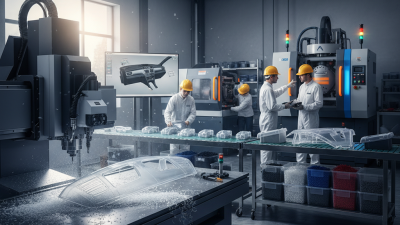
Vacuum forming is a widely utilized manufacturing process. It's favored for its efficiency and versatility. This technique allows for the creation of complex shapes and designs with relative ease. Manufacturers across various industries are turning to vacuum forming to meet their production needs.
One of the main benefits of vacuum forming is its ability to produce large quantities of parts quickly. This method can accommodate various materials, including plastic and composite materials. The cost-effectiveness of vacuum forming makes it an attractive option for businesses. It enables companies to reduce waste and maximize material use.
However, it's essential to consider the limitations of vacuum forming. While it shines in low to medium production runs, it may not be the best choice for intricate parts requiring tight tolerances. These aspects require careful thought and experience. Choosing vacuum forming depends on your specific needs and the characteristics of the design. Therefore, understanding both advantages and drawbacks is crucial for making informed decisions.
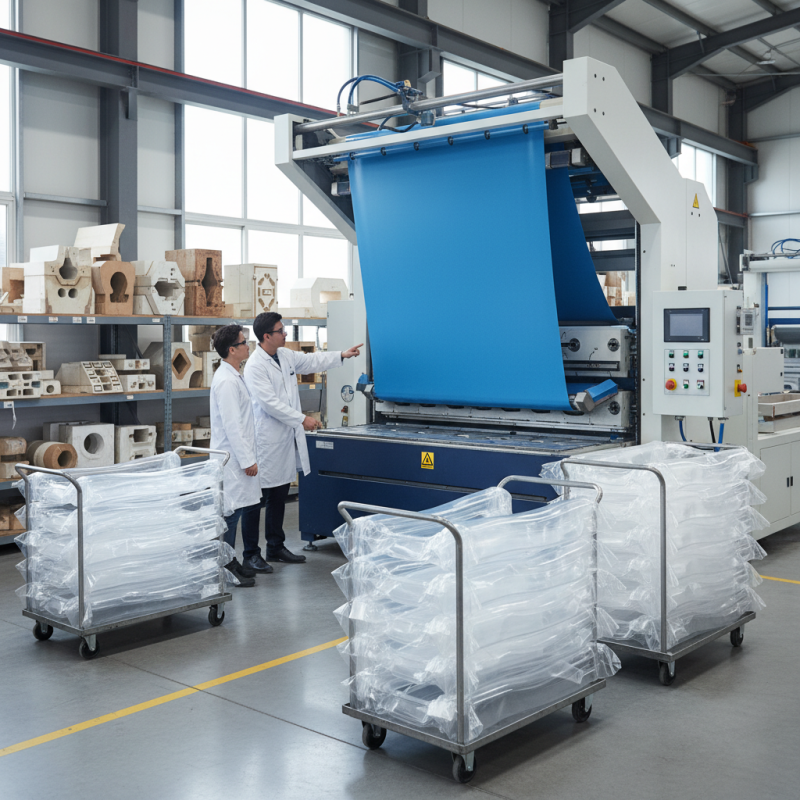
Benefits of Vacuum Forming in Manufacturing Processes
Vacuum forming is a versatile manufacturing process that offers numerous benefits. It allows for the creation of detailed shapes from thermoplastic sheets. This method is particularly useful for producing lightweight components quickly and cost-effectively. It excels in environments requiring efficiency and speed, especially in industries like automotive and packaging.
One remarkable aspect of vacuum forming is its ability to handle large-scale production. Manufacturers can create many identical parts in a short amount of time. Yet, it’s crucial to consider the material used. Not all plastics behave the same under heat. Different materials can impact the final product’s durability and finish. Conducting material tests can help inform choices.
Tip: Always prototype before large runs. This step can reveal potential issues early on. It offers an opportunity to refine designs.
Another important factor is the design complexity. While vacuum forming can produce detailed shapes, there are limitations. Deep draws and complex geometries can lead to difficulties. It’s essential to keep designs simple yet effective. Collaborating with experienced designers can enhance product quality significantly.
Tip: Communicate early and often with your manufacturing partner. Clarity can prevent costly mistakes down the line.
How Vacuum Forming Compares to Other Manufacturing Techniques
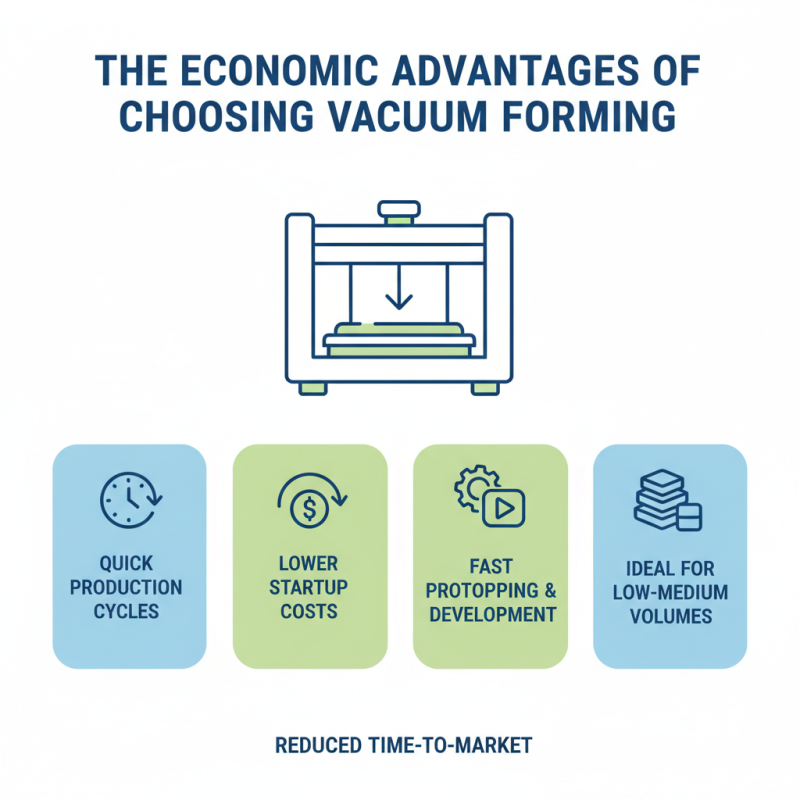
Vacuum forming offers unique advantages over traditional manufacturing techniques. One key benefit is its efficiency. Studies show that vacuum forming can produce parts faster than methods like injection molding. For example, a typical vacuum forming cycle can be completed in just a few minutes, while injection molding often takes significantly longer. This speed is vital in industries where time-to-market is crucial.
Another notable difference lies in material versatility. Vacuum forming allows the use of a wide range of thermoplastic sheets. Reports indicate that nearly 70% of manufacturers favor this technique for its ability to accommodate varying thicknesses. However, there are limitations. The thickness of the material can affect the detail and intricacy of the formed part. Complicated designs might require additional considerations, as vacuum forming may not capture fine textures as well as other techniques.
Cost-effectiveness is another strong point. The initial setup costs for vacuum forming are generally lower than those for injection molding. According to recent industry data, the savings can reach up to 30% for small to medium production runs. However, larger production runs might benefit from injection molding despite the higher upfront costs. The choice of manufacturing technique largely depends on specific project needs and scales.
Key Applications of Vacuum Forming in Various Industries
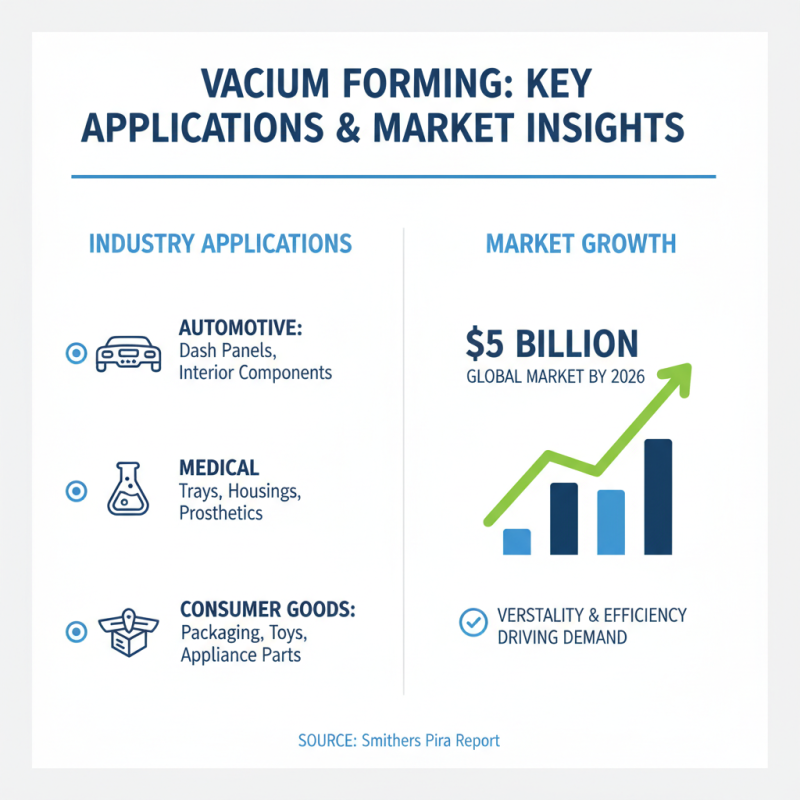
Vacuum forming has emerged as a vital technique in several industries due to its versatility and efficiency. The automotive sector frequently utilizes this method for manufacturing parts such as dash panels and interior components. According to a recent report by Smithers Pira, the global vacuum forming market is expected to reach $5 billion by 2026. This growth indicates strong demand across various sectors.
In the packaging industry, vacuum forming is popular for creating clamshell packaging and protective trays. Research by Grand View Research states that the plastic packaging market alone was valued at $329 billion in 2022, with a significant portion attributed to vacuum-formed products. These packaging solutions provide excellent durability and lightweight attributes, making them highly effective for protecting goods during transit.
Electronics also benefit from vacuum forming. Companies produce housings and components that require precise measurements and excellent insulation properties. However, not all vacuum-formed products meet the stringent standards set by regulatory bodies. Some manufacturers still face challenges in ensuring consistent quality, underscoring the importance of careful process control and material selection. Continuous innovation is essential to address these issues while fulfilling market needs.
Understanding the Vacuum Forming Process: A Step-by-Step Overview
Vacuum forming is an efficient and versatile manufacturing process. Understanding its steps can help you optimize your production. This technique begins with heating a thermoplastic sheet until it's pliable. The heated sheet is then placed over a mold, capturing its shape. This creates a precise form, ensuring that every detail is replicated.
After the sheet is formed over the mold, air is sucked out, creating suction. This stage is crucial as it determines the fidelity of the final product. Cooling follows, solidifying the plastic into its new shape. While this process is usually quick and efficient, challenges can arise. Inconsistent heating can lead to weak spots or warping. Recognizing these potential flaws is essential for quality assurance.
Finally, the formed piece is trimmed and finished. This can include cutting edges and adding features. However, achieving a polished look requires careful attention. Even small imperfections can impact the final product's appearance. Understanding vacuum forming in-depth allows for better planning and execution. This knowledge promotes better decision-making in manufacturing.