2026 How to Choose the Best Frozen Food Optical Sorter?
Choosing the right Frozen Food Optical Sorter can significantly impact food quality and operational efficiency. As the frozen food industry grows, selecting an optimal sorter becomes crucial. These machines enhance productivity by ensuring only high-quality products reach consumers.
When evaluating available options, consider various factors. Assess machine specifications, capability, and technology used. Reliability is essential, as downtime can affect output and profitability. While a higher price may indicate better quality, it does not always guarantee the best choice. A thorough analysis is necessary to avoid costly mistakes.
Challenges in selecting a Frozen Food Optical Sorter abound. Each business has unique needs, and not every sorter can meet those requirements effectively. Prioritize those with a proven track record and supportive customer service. Always seek equipment that aligns with your specific processing goals. This thoughtful selection can lead to long-term benefits.
Understanding Frozen Food Optical Sorters: An Overview
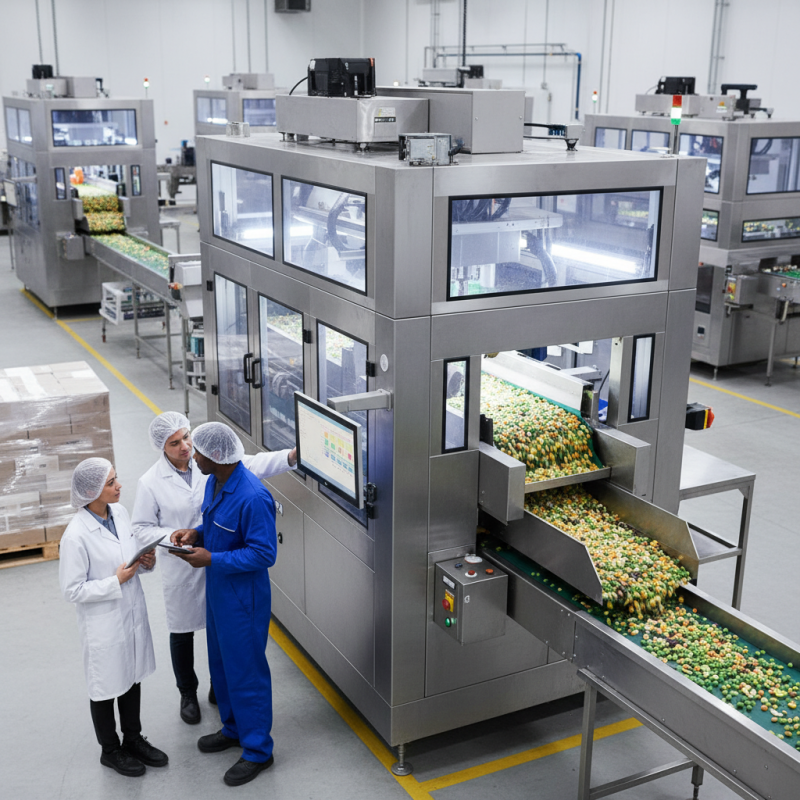
Frozen food optical sorters play a crucial role in maintaining product quality and safety. These machines utilize advanced technology to detect color, size, and shape of food items. By separating high-quality products from defects, they enhance overall efficiency in food processing. Understanding how these machines work can guide businesses toward making informed choices.
Choosing the right optical sorter involves assessing your specific needs. First, consider the types of frozen foods you process. Different products may require distinct sorting capabilities. For example, fruits may vary greatly in size and color. Knowing your product ensures optimal performance from your sorter.
Tips: Invest in a machine that integrates easily into your existing production line. Look for sorters with software that can adapt to changing food profiles. Additionally, seek training for your team to maximize sorter functionality. Regular maintenance is essential for preventing downtime and ensuring reliability. Remember, not all machines are equal; researching options is key.
Key Features to Look for in Optical Sorters for Frozen Foods
When selecting an optical sorter for frozen foods, several key features are essential. First, consider resolution capabilities. A sorter with high-resolution cameras can detect small defects or foreign objects. According to a study by the Food Processing Association, higher resolution systems can improve defect detection rates by up to 30%. This statistic emphasizes the importance of clarity in sorting functions.
Next, look into sorting speed. High-throughput systems can process large volumes efficiently. Research indicates that modern optical sorters can handle up to 20 tons per hour. This is crucial for meeting the demands of large-scale frozen food producers. Performance can vary based on environmental factors, like temperature and humidity, affecting results.
Another vital feature is adaptability. Sorting frozen foods presents unique challenges. Systems should maintain functionality even under freezing conditions. Some sorters struggle when temperatures drop, leading to slower processes or inaccuracies. Therefore, ensuring operational efficiency in diverse environments is paramount. Consider these features carefully, as they greatly impact productivity and quality assurance in the frozen food industry.
Comparison of Key Features in Frozen Food Optical Sorters
Comparing Different Technologies in Frozen Food Optical Sorting
When choosing the right optical sorter for frozen food, understanding different technologies is vital. Modern optical sorting primarily relies on computer vision, which captures high-resolution images of food products. This technology analyzes color, size, and shape to identify defects. For example, certain models can distinguish between fresh vegetables and those that may have been damaged during freezing or storage.
Another emerging technology involves the use of near-infrared spectroscopy. This method provides insights into the chemical composition of food products. By assessing moisture content and detecting foreign substances, it enhances sorting accuracy. However, this technology may come with a higher price tag.
It’s essential to reflect on the operational environment as well. Factors like temperature fluctuations can impact performance. Some sorters may struggle when integrated into existing workflows. Evaluating the maintenance and support options is equally important. A sorter that requires frequent repairs could lead to significant operational downtimes. Therefore, careful consideration and testing are crucial when selecting an optical sorter for frozen foods.
Evaluating Performance Metrics for Optical Sorters in Food Processing
Choosing the right optical sorter for frozen food processing requires careful consideration. Performance metrics play a crucial role in this decision-making process. Look for sorters that deliver high accuracy in identifying food items. A reliable system should minimize false positives, ensuring only impurities or defects are ejected.
Consider sorting speed as well. A unit’s throughput must match your production rate. Slow sorters can bottleneck your operations. Evaluate their ability to handle various product sizes and types. This versatility can significantly enhance your efficiency.
Tips: Before purchasing, test the sorter with your actual products. This helps gauge its performance in your specific conditions. Analyze the maintenance requirements too. Regular upkeep is essential for consistency. Finally, consult operators who have experience with optical sorting technology. Their insights can reveal both strengths and weaknesses of different systems.
2026 How to Choose the Best Frozen Food Optical Sorter?
| Feature | Performance Metric | Value | Notes |
| Sorting Speed | kg/hr | 2000 | High throughput ideal for large-scale processing. |
| Detection Accuracy | % | 98 | High accuracy ensures quality control. |
| Reject Mechanism | Type | Pneumatic | Effective in quickly removing defects. |
| Energy Consumption | kWh | 1.5 | Energy-efficient design. |
| Maintenance Frequency | Months | 12 | Low upkeep required. |
Budgeting and Cost Considerations for Purchasing Optical Sorters
When considering an optical sorter for frozen food, budgeting is crucial. The initial cost can vary greatly, often ranging from tens of thousands to several hundred thousand dollars. Consequently, understanding your needs is vital. Reports suggest that companies must calculate potential ROI by evaluating product quality enhancement and labor cost savings.
Investing in advanced technology may appear costly upfront, yet it often results in reduced waste and improved product quality. For example, a study revealed that efficient sorters can cut waste by up to 30%. This means companies can save money while enhancing customer satisfaction. However, not all businesses may see the same benefits; results depend on sorter technology and operational efficiency.
Tip: Conduct a thorough cost-benefit analysis before purchasing. Assess your production scale and product type. Research different sorting technologies to find the best fit. Monitor long-term trends in frozen food demand to align your investments with future needs. Balancing initial costs against ongoing maintenance is also crucial for long-term success.