How to Choose the Best Stainless Bar Grating for Your Needs?
Choosing the right Stainless Bar Grating is essential for various applications. This material offers durability and strength, making it ideal for industrial and commercial settings. However, not all stainless bar grating is created equal. Different projects demand different specifications.
Understanding the key factors is vital. Consider the load requirements and environmental conditions when selecting stainless bar grating. Additionally, the spacing between the bars can affect both aesthetics and functionality. Many users overlook these details, leading to suboptimal choices.
It's worth reflecting on your specific needs. Will the grating be used in an area exposed to heavy traffic or extreme weather? Your choice can significantly impact safety and performance. Always consult with experts in the field if you're unsure. This will ensure that you make an informed decision tailored to your unique situation.
Understanding the Different Types of Stainless Bar Grating Available
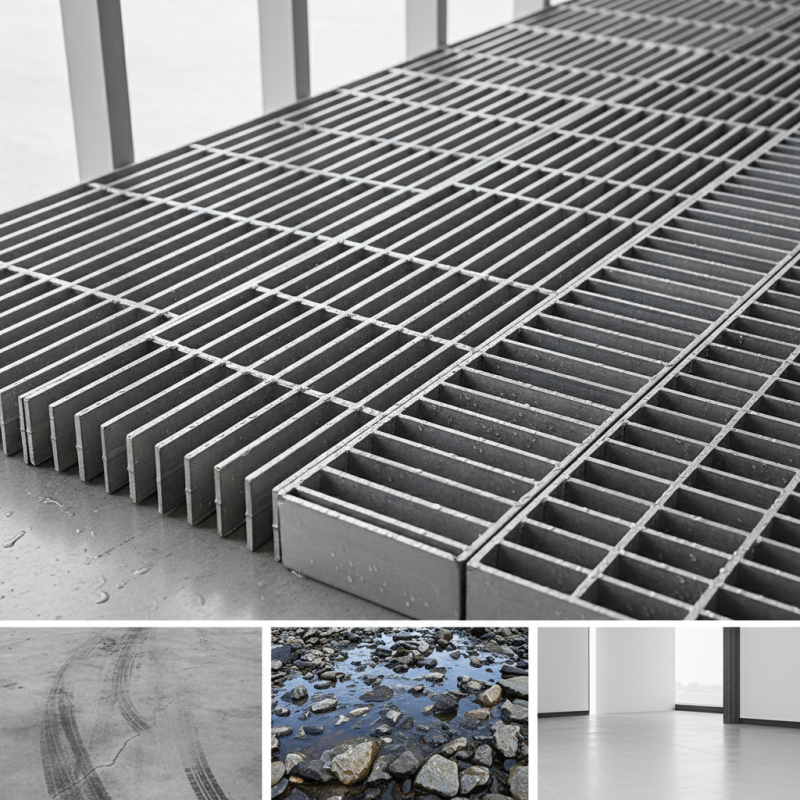
When it comes to stainless bar grating, understanding the various types is essential. Different applications require different grating styles. For instance, heavy-duty environments benefit from serrated grating, which offers better traction. This feature helps reduce slips, especially in wet or oily conditions. Additionally, smooth grating might be more suitable for aesthetic purposes in commercial spaces.
Another factor to consider is the material composition. Stainless steel can vary in grades. Higher grade stainless steel is more resistant to corrosion. However, it may be more expensive. Assess your environment before making a choice. Sometimes the lower-grade options fit just fine.
Keep in mind the spacing between bars. Wider spaces allow for better drainage but can be less stable. It’s vital to balance functionality with safety concerns. Choosing the right type requires careful thought. Explore all options and reflect on your specific needs before committing.
Key Factors to Consider When Selecting Stainless Bar Grating
When selecting stainless bar grating, several key factors should be considered. First, assess your specific needs. The size and load-bearing requirements of your project are essential. Heavy-duty applications demand thicker bars and closer spacing. For lighter tasks, you can opt for finer grating.
Next, evaluate the environment in which the grating will be used. Stainless steel offers excellent corrosion resistance, but different grades perform better under specific conditions. For coastal areas, look for marine-grade stainless to enhance durability. Additionally, surface finish is important for both aesthetic appeal and functionality.
Smooth surfaces are easier to clean, while textured options provide better traction.
Lastly, consider installation ease and maintenance. Some grating styles can be more challenging to install than others. Availability of replacement parts is also a factor to think about. A well-thought-out choice can save time and money in the long haul. Reflect on these aspects carefully to ensure you choose grating that meets your needs effectively.
Evaluating Load Capacity and Strength Requirements for Your Project
When evaluating bar grating for your project, understanding load capacity is vital. Different applications require varying strength levels. Are you using it for pedestrian traffic or heavy machinery? This choice greatly influences the specification. Look at the load ratings provided by manufacturers. They often categorize grating based on load types and conditions, which can help in making an informed decision.
Strength requirements go hand in hand with load capacity. Steel bar grating must withstand different forces, depending on placement. For example, floor grating in an industrial setting faces more stress than a decorative patio solution. It’s essential to factor in potential impacts and fatigue over time. Sometimes, the perfect option isn’t apparent at first glance. Consider the environment too. High corrosion levels can weaken even the strongest grating.
You may find yourself second-guessing your choice, which is normal. Do you prioritize strength over aesthetics, or vice versa? Ask for expert input if needed. It’s essential to seek clarification and ensure that your decision aligns with your project’s unique demands. Every detail matters and can greatly affect the longevity and performance of the grating.
Assessing Corrosion Resistance and Environmental Suitability
When selecting stainless bar grating, evaluating corrosion resistance is crucial. Various environments can expose the grating to corrosive elements. According to industry reports, stainless steel grades 304 and 316 offer varying levels of resistance. Grade 316 provides better protection against chlorides, making it ideal for coastal or marine environments.
Tip: Always consider the specific environmental factors. Assess exposure to chemicals, salt, and moisture to choose the right grade.
Environmental suitability goes beyond corrosion resistance. Factors like temperature and load-bearing capacity also play a role. For example, high temperatures can weaken the grating. Reports suggest that for high heat areas, materials such as 310 stainless steel are more effective.
Tip: Analyze the load requirements and environmental conditions to ensure the grating performs as expected. Look for data on the anticipated stresses the grating will face under real-world conditions. Understanding these aspects will help in making a reliable choice.
How to Choose the Best Stainless Bar Grating for Your Needs? - Assessing Corrosion Resistance and Environmental Suitability
| Material Type | Corrosion Resistance | Environmental Suitability | Load Capacity (lb) | Cost per Square Foot ($) |
| 304 Stainless Steel | Moderate | Indoor/Outdoor | 1000 | 15 |
| 316 Stainless Steel | High | Marine/Coastal | 1200 | 25 |
| Galvanized Steel | Moderate | Indoor | 2000 | 10 |
| Aluminum | Low | Indoor | 800 | 20 |
Budgeting: Cost Considerations for Stainless Bar Grating Choices
When considering stainless bar grating, budgeting is essential. The price can vary broadly based on factors like material quality and thickness. Basic options may start low but can compromise strength and longevity. Investing a bit more upfront can lead to savings in maintenance and replacements over time.
It’s wise to determine your needs early. Will the grating support heavy loads, or is it purely for aesthetic purposes? Pay attention to the specifications that matter most. An ill-suited choice can lead to unexpected costs down the line. Additionally, some installations might require custom sizes, adding to the overall expense. Don’t rush this decision; each dollar counts.
While it’s tempting to choose the cheapest option, consider the long-term implications. Cheaper materials may rust or warp faster. Reliability is crucial for safety. Reflect on how much you're willing to spend now versus future potential costs. Balancing quality and budget can be tricky, but taking your time pays off.
Cost Considerations for Stainless Bar Grating Choices