How to Choose Polypropylene Sheets at the 139th Canton Fair?
As the 139th Canton Fair approaches, the spotlight is on polypropylene sheets. This versatile material has a significant presence in various industries, including packaging, construction, and automotive. According to a recent industry report by Plastics Insights, the global polypropylene market is projected to reach $300 billion by 2025, highlighting its growing importance.
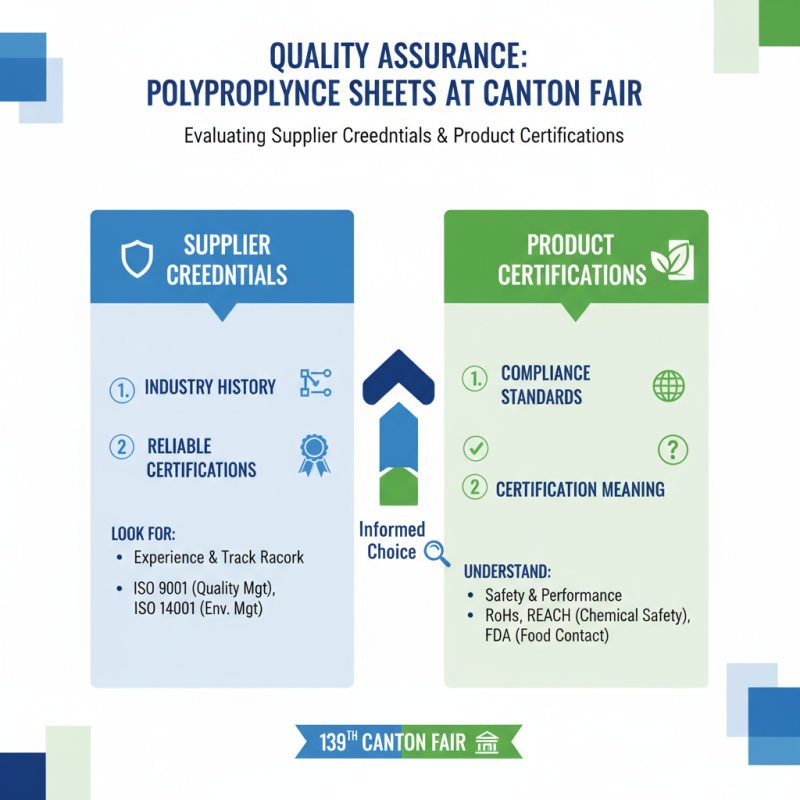
Experts emphasize the need for informed selection at trade shows. "Choosing the right polypropylene sheet is crucial for product performance and sustainability," states Dr. Lisa Carter, a materials science specialist. She also notes that not all polypropylene sheets are created equal. Buyers must consider certifications and supplier reliability.
With the integration of AI technology at the Canton Fair, navigating through thousands of suppliers has become more efficient. However, despite technological advancements, the risk of overlooking quality standards remains. Buyers must thoroughly evaluate options and prioritize those that meet certifications like ISO and CE. Making an informed choice could be the difference between success and setbacks in the competitive market of polypropylene sheets.
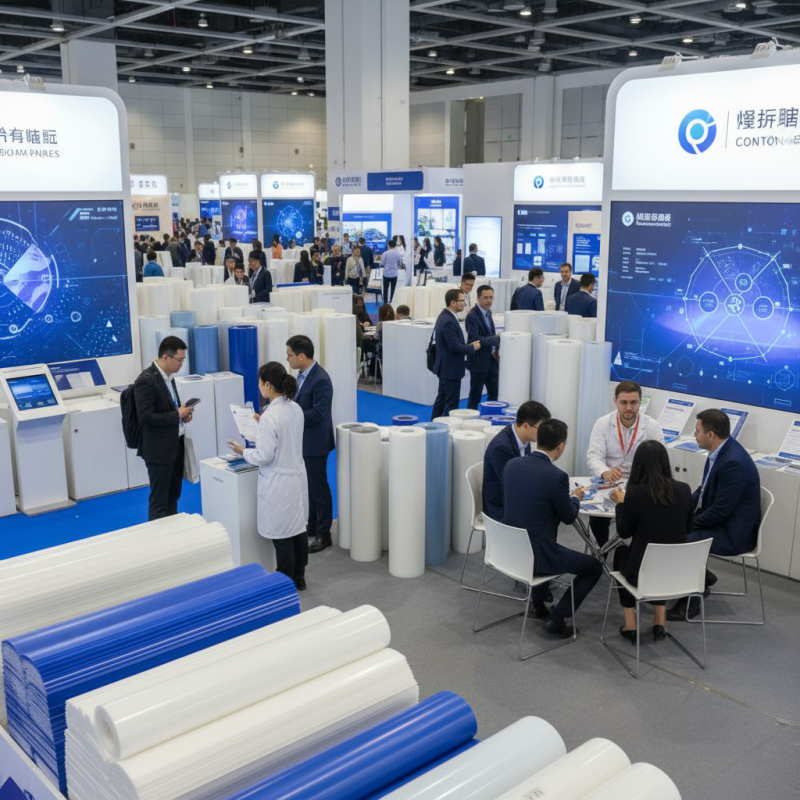
Key Factors to Consider When Selecting Polypropylene Sheets
When selecting polypropylene sheets at the 139th Canton Fair, consider key factors. Quality is crucial. Check thickness and surface finish. Look for durability and UV resistance. Examine the sheets closely. They should feel sturdy and not flimsy. A quick test can reveal hidden issues.
Cost is another significant aspect. It’s tempting to go for the cheapest option, but remember to balance price with quality. Sometimes, a lower price means lower performance. Also, consider the supplier’s reputation. Are they reliable? What do others say about their products?
It’s also wise to identify your specific needs. Are you using the sheets for packaging, automotive parts, or something else? Each application demands different properties. Don’t hesitate to ask questions. Clarify any uncertainties. Some suppliers may not provide sufficient information upfront. You deserve to make an informed choice.
Polypropylene Sheets Selection Criteria
The Role of Thickness and Density in Polypropylene Sheets Performance
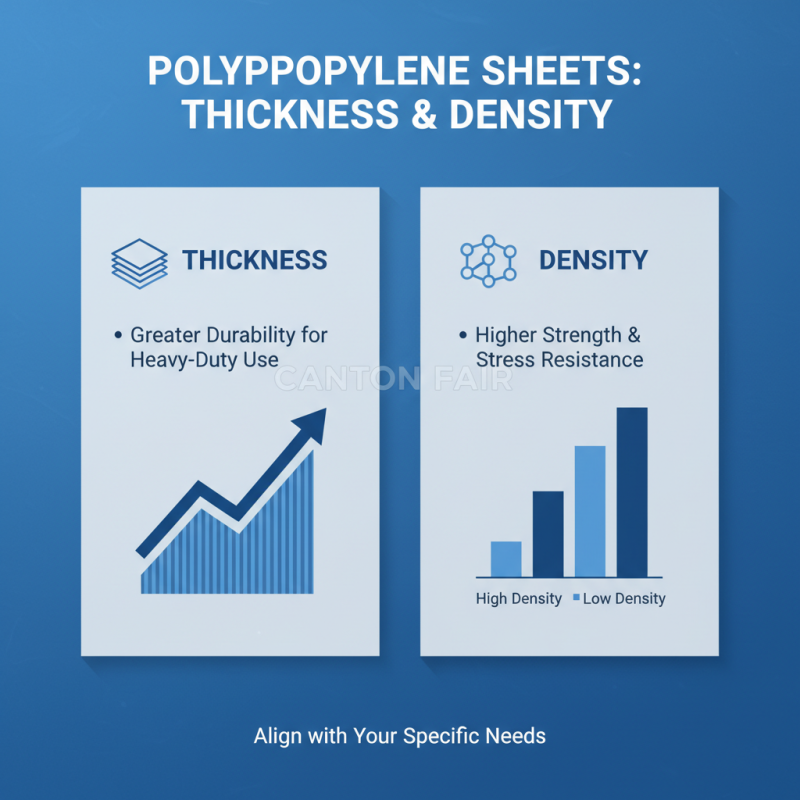
When choosing polypropylene sheets at the Canton Fair, thickness and density play crucial roles. Thicker sheets often offer greater durability, making them suitable for heavy-duty applications. The density of the sheet impacts its strength and flexibility. For example, higher density sheets can withstand more stress without breaking. Consider how these factors align with your specific needs.
Tips: Think about the environment where the sheets will be used. Will they face extreme temperatures or exposure to chemicals? This influences your choice of thickness and density. Don’t overlook the nuances of texture and finish. A smooth surface may be more desired in certain applications, while a rough texture can enhance grip.
Another aspect to ponder is the cost. Higher thickness and density usually mean a higher price. However, skimping on quality can lead to costly repairs later. Ensure you evaluate the trade-offs. It's important to find a balance between performance and budget. Each choice should reflect not only immediate needs but also future usability.
Understanding the Different Grades of Polypropylene for Various Applications
When attending the 139th Canton Fair, knowing how to choose polypropylene sheets is essential. Polypropylene comes in various grades, each designed for specific applications. For example, there are standard grades for everyday uses and higher grades that offer improved durability and resistance. It’s important to understand these differences to select the right type for your needs.
Consider the thickness and texture of the sheets. Thicker sheets tend to be more durable, ideal for industrial applications. However, they might be harder to cut and shape. Additionally, some grades are UV resistant, making them suitable for outdoor use. If you overlook this detail, your sheets may degrade quickly under sunlight.
It's vital to examine the specifications carefully. Each grade has its own melting point and rigidity. Understanding these factors can help avoid costly mistakes. Attending demonstrations can also provide insight into how the sheets perform in real-life applications. This experience might reveal the limitations of certain grades, prompting a rethink of your selection process. The key is to align your choice with your specific needs and conditions.
How to Choose Polypropylene Sheets at the 139th Canton Fair? - Understanding the Different Grades of Polypropylene for Various Applications
| Grade |
Density (g/cm³) |
Tensile Strength (MPa) |
Melting Point (°C) |
Application |
| Homopolymer |
0.90 - 0.91 |
34 - 45 |
160 - 170 |
Packaging, Automotive Components |
| Impact Copolymer |
0.90 - 0.92 |
27 - 35 |
160 - 170 |
Household Items, Appliances |
| Random Copolymer |
0.90 - 0.92 |
25 - 30 |
160 - 170 |
Medical Applications, Containers |
| PP Blown Film |
0.92 - 0.94 |
20 - 25 |
150 - 165 |
Food Packaging, Carrier Bags |
| PP Sheets |
0.90 - 0.92 |
25 - 30 |
160 - 170 |
Signage, Displays |
Market Trends and Innovations in Polypropylene Sheets at Trade Fairs
The 139th Canton Fair showcases a variety of innovations in polypropylene sheets. Trends reveal a strong shift towards eco-friendly materials. More exhibitors focus on bio-based or recycled polypropylene options. This aligns with growing demands for sustainability. The market increasingly values low environmental impact in materials.
Exhibitors present new textures and finishes, which attract attention. Unique colors and designs are emerging, offering buyers distinct choices. However, some products may lack comprehensive testing. Quality assurance remains a concern across the diversity of options. Buyers should research suppliers' backgrounds thoroughly.
Networking is essential at trade fairs. Many suppliers discuss upcoming technologies and trends. Attending seminars can provide insightful information. Yet, it's easy to overlook crucial details amidst the bustle. Taking notes and engaging with exhibitor representatives can enhance understanding. Reflecting on market needs is crucial for effective buying decisions.