How to Choose the Right PVC True Union Ball Valve for Your Needs?
When selecting a PVC True Union Ball Valve, many users face challenges in finding the right fit for their specific needs. Industry expert, John Smith, states, "Choosing the right valve is critical for maintaining efficiency and preventing leaks." This highlights the importance of making informed decisions about PVC True Union Ball Valves.
Understanding the various features and specifications of these valves is essential. Different applications require different types of valves. For example, the size, pressure rating, and flow capacity can significantly impact performance. Users often overlook these details, which can lead to costly mistakes.
Moreover, quality matters. Not all PVC True Union Ball Valves are created equal. It's important to consider the brand reputation and customer reviews. Some users might prioritize price over quality, but this can result in future complications. Investing in a high-quality valve can save time and money in the long run. Make sure to refine your options carefully and reflect on the most critical factors for your application.
Understanding PVC True Union Ball Valves and Their Functionality
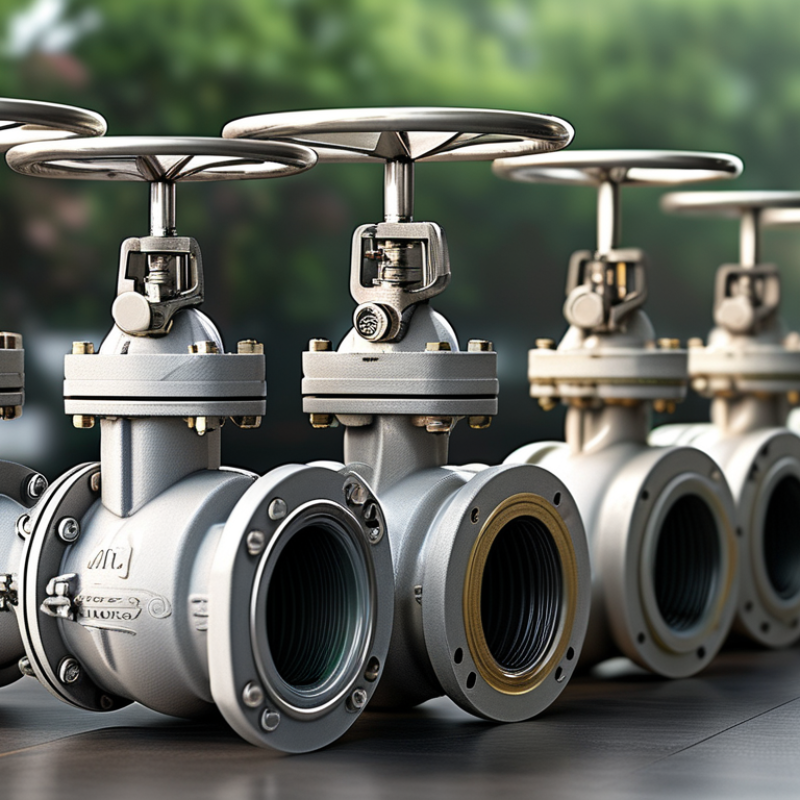
PVC true union ball valves are essential components in various plumbing systems. They allow for easier maintenance and replacement. Understanding their functionality is crucial for making the right choice. These valves feature a simple design that enables smooth operation. With their sturdy construction, they effectively control fluid flow. Additionally, their true union feature lets users remove the valve without disturbing the piping.
Tips: Choose valves that suit your specific application. Consider the pressure and temperature ratings. Select the proper size to ensure an ideal fit.
When selecting a valve, think about the material quality. Not all PVC is the same. Some may not withstand high temperatures. Research the specifications to prevent potential failure. A little extra caution can save future headaches.
Proper installation is vital for optimal performance. Misalignment during installation may lead to leaks. Inspect the entire assembly after installation. Regular checks will extend the valve’s lifespan. Keep in mind that understanding the functionality ensures better decision-making.
Key Factors to Consider When Selecting a PVC True Union Ball Valve
When selecting a PVC true union ball valve, several key factors should guide your decision. Material compatibility is crucial. Ensure that the valve is suitable for the fluids it will handle. Check the temperature and pressure ratings to make sure they align with your application. PVC valves can handle a range of chemicals, but specifics matter. Always refer to technical data sheets for accurate information.
Tip: Always conduct a pressure test before installation. This helps ensure the valve can handle your system's requirements. The valve's size is another vital aspect. Measure the existing piping accurately. A valve that doesn’t match can cause leaks or inefficient flow.
Consider the end connections. True union valves offer flexibility in maintenance and repair. Their design allows for easy removal without disrupting the entire system. However, ensure the connection type is compatible with your existing setup.
Tip: Regular maintenance checks can extend the valve's lifespan. Look out for signs of wear and tear. Over time, even high-quality valves may need attention. Always keep spare parts on hand to reduce downtime. A little foresight in choosing the right valve leads to better long-term outcomes.
Comparing Different Styles and Sizes of PVC True Union Ball Valves
When selecting a PVC true union ball valve, size and style are essential. Different applications require different specifications. Industrial needs often call for larger valves, while residential applications may benefit from compact sizes. The valve's diameter must align with your piping system to ensure optimal flow rates. Consider both the pressure ratings and the intended fluid type as these factors contribute significantly to the valve's efficiency.
Styles of PVC true union ball valves also vary. There are two-way and three-way designs. A two-way valve allows fluid flow through a single path. In contrast, a three-way valve can redirect flow, offering more flexibility in plumbing systems. Think about your specific needs before making a choice. Many users overlook the importance of thread types, leading to compatibility issues.
Tips: Always measure your existing pipes before purchasing. This avoids potential mismatches. Remember, the right valve can improve system performance, but the wrong one can create leaks. Review product details thoroughly. Don't rush your decision; a careful approach pays off in the long run.
Installation and Maintenance Tips for PVC True Union Ball Valves
Installing PVC true union ball valves requires careful attention to detail. Ensure that your work area is clean and free from debris. Start by preparing the pipes. Cut them to the desired length, keeping the edges smooth. Proper alignment is crucial during installation. Misalignment can lead to leaks or valve failure. Adjust the valve seat and make sure it fits snugly.
After installation, maintenance is essential. Regularly inspect the valve for signs of wear or leakage. Common trouble spots include the seals and connections. Using the right tools, such as wrenches, can help tighten any loose fittings. Sometimes, gaining access for inspection can be challenging. Keep a maintenance log. Document any issues to better track the valve's performance over time.
Not every installation goes perfectly. You may need to redo certain connections if leaks occur. Be patient and methodical in your approach. Over time, experience will enhance your skills in using PVC true union ball valves effectively. Applying these tips will help ensure durability and efficiency in your system.
How to Choose the Right PVC True Union Ball Valve for Your Needs? - Installation and Maintenance Tips for PVC True Union Ball Valves
| Feature | Description | Considerations |
| Size | Select valve size based on pipe diameter. | Make sure to match with existing piping system. |
| Pressure Rating | Check valve's pressure handling capacity. | Choose a valve suitable for your application pressure. |
| End Connections | Types include threaded, socket, or flanged. | Ensure compatibility with existing fittings. |
| Material | PVC offers corrosion resistance and durability. | Select material based on chemical compatibility. |
| Installation | Follow manufacturer guidelines for proper installation. | Consider hiring a professional if unsure. |
| Maintenance | Regularly check for leaks and wear. | Perform routine inspections to extend valve life. |
Common Applications and Uses of PVC True Union Ball Valves
PVC True Union Ball Valves are widely used in various applications. They play a crucial role in industries like agriculture, water treatment, and chemical processing. Their lightweight and corrosion-resistant properties make them ideal for managing fluids. Reports indicate that the global market for PVC ball valves is growing, with a projected CAGR of 5.3% from 2021 to 2028. This growth reflects their increasing importance in industrial applications.
In agricultural systems, these valves are vital for irrigation and drainage management. Their ability to provide a tight seal prevents leaks and reduces water wastage. In water treatment facilities, they enable efficient flow control. Their design permits easier maintenance and replacement, minimizing downtime. However, selecting the wrong size can hinder performance. A valve that is too small could restrict flow, while one that is too large might not seal properly.
Chemical processing also benefits significantly from these valves. They can resist a wide range of corrosive substances. Yet, not all PVC valves are created equal. Some may degrade with specific chemicals over time. It’s crucial to consult chemical compatibility charts. When selecting a valve, understanding application requirements is essential. Performance can vary based on pressure and temperature conditions. Proper evaluation ensures better operational efficiency.
Common Applications of PVC True Union Ball Valves