How to Choose the Best HDPE Plastic Sheets for Your Needs?
When selecting the best HDPE plastic sheets, it’s essential to consider various factors that align with your specific needs. According to industry expert Dr. John Miller, "Choosing the right HDPE plastic sheets can significantly affect your project's durability and cost efficiency." His insights highlight the importance of understanding the material properties.
HDPE plastic sheets are versatile and used in numerous applications. Selecting the wrong type can lead to failures and increased expenses. It's crucial to assess factors like thickness, density, and surface texture. Many buyers overlook these details, only realizing their importance after installation. The right choice ensures longevity and performance.
Moreover, understanding the manufacturing process of HDPE plastic sheets can elevate your selection. Different production methods yield varying results. Reflecting on your needs can help you make a more informed decision. Engaging with suppliers can further clarify which sheets are best suited for your requirements.

Understanding HDPE Plastic Sheets: Properties and Benefits
HDPE plastic sheets are known for their strength and versatility. They are made from high-density polyethylene, a durable thermoplastic. This material is resistant to impact, moisture, and chemicals, making it ideal for various applications. Many industries use HDPE sheets for packaging, construction, and even in medical settings.
One of the main benefits of HDPE plastic sheets is their lightweight nature. This characteristic makes them easy to handle and transport. Despite being lightweight, they provide excellent structural integrity. The sheets can withstand extreme temperatures, making them suitable for both indoor and outdoor use. However, potential buyers should be aware of the limited UV resistance. Prolonged exposure to sunlight can degrade the material over time.
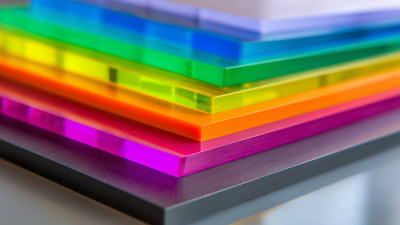
When selecting HDPE sheets, consider thickness and color options. Thicker sheets offer greater durability, while colors can affect heat absorption. It's essential to match the sheet's properties to your specific needs for optimal performance. Unsuitable choices can lead to premature wear or failure in your projects. Therefore, understanding these properties is vital for making informed decisions.
Identifying Your Project Requirements for HDPE Sheets
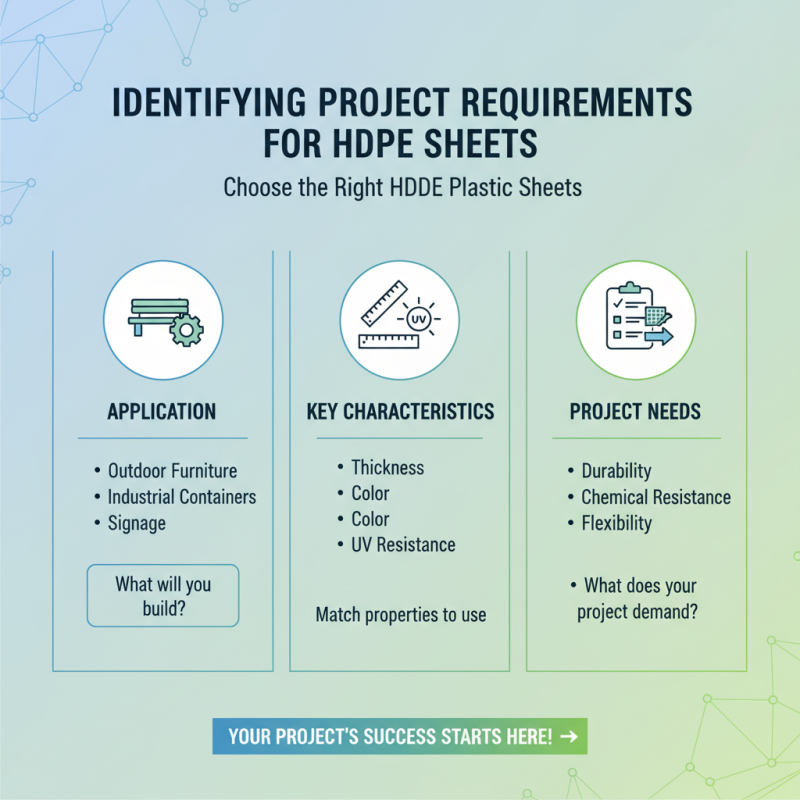
Choosing the right HDPE plastic sheets begins with understanding your project requirements. Each project has different needs, and HDPE sheets offer various characteristics that may suit your application. Are you working on outdoor furniture, industrial containers, or signage? Each of these uses demands unique specifications in terms of thickness, color, and UV resistance.
Consider the environment where the sheets will be used. Will they face harsh weather conditions? If so, look for products that withstand sunlight and moisture. Evaluate the load-bearing capacity as well. Some projects may require thicker sheets to handle weight, while others can use thinner ones. Think about your experience with HDPE; even small differences can affect the success of your project.
It’s valuable to reflect on past projects, too. Did you encounter challenges with sheet durability or flexibility? Learning from those experiences can guide your selection process. Gathering multiple samples for hands-on evaluation is helpful. Test how each sheet fits your application. This process may seem tedious, but it can lead to better decision-making. Remember, well-informed choices enhance the final outcome of your project.
Evaluating Thickness and Size Options in HDPE Sheets
Choosing the right HDPE plastic sheets can be overwhelming. One important factor to consider is thickness. HDPE sheets range from 1/8 inch to several inches thick. Thicker sheets provide durability and resistance against impacts. However, they can also be heavier and harder to manipulate. For projects requiring strength, consider at least 1/2 inch thickness. It works well for structural applications.
Size is another critical aspect. HDPE sheets come in various dimensions. Standard dimensions may not fit every need. Custom cutting options are available for unique projects. Measure the area carefully before selecting a size. Think about how the sheet will be used and its environment. A larger sheet might reduce seams but can be cumbersome.
Reflecting on previous projects, I’ve seen mistakes made with incorrect measurements. A sheet that is too small limits creativity. On the other hand, a massive sheet can complicate installation. The goal is to find a balance between size and thickness that meets project requirements while remaining manageable. Each choice carries weight, and it's essential to consider both practical and aesthetic factors.
How to Choose the Best HDPE Plastic Sheets for Your Needs? - Evaluating Thickness and Size Options in HDPE Sheets
| Thickness (mm) |
Size (ft²) |
Color Options |
Typical Uses |
Durability Rating |
| 3 |
4 x 8 |
Black, White |
Signage, Containers |
Moderate |
| 6 |
4 x 10 |
Blue, Green |
Aquatic Features, Outdoor Projects |
High |
| 10 |
5 x 10 |
Gray, Yellow |
Industrial Applications, Molding |
Very High |
| 12 |
6 x 12 |
Transparent, Custom Colors |
Heavy-Duty Applications |
Exceptional |
| 8 |
4 x 12 |
Red, Black |
Food Processing, Packaging |
High |
Comparing HDPE Plastic Sheets: Cost, Quality, and Supplier Options
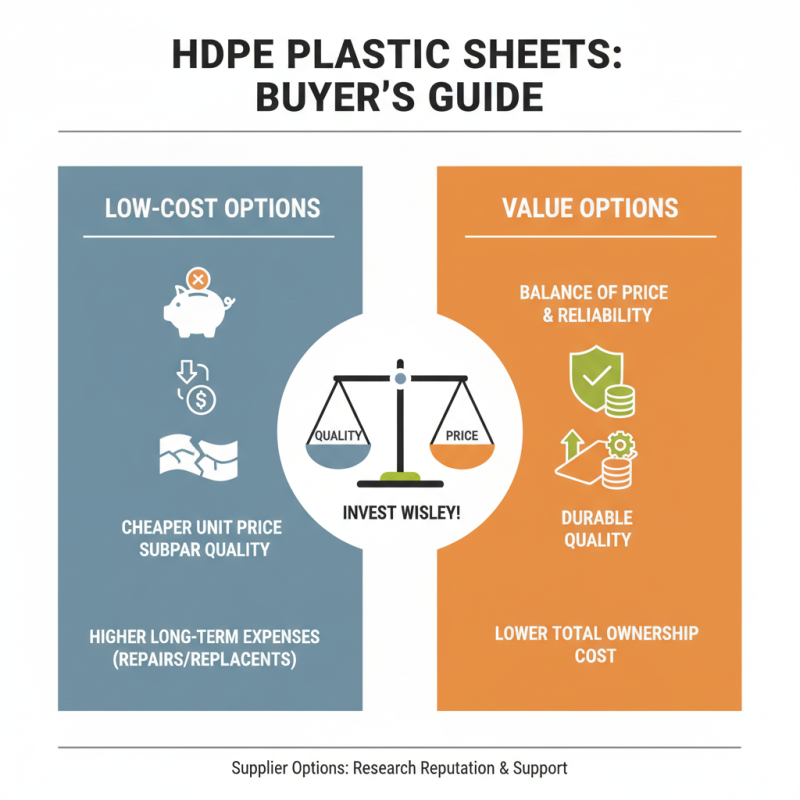
When selecting HDPE plastic sheets, a few key factors come into play. Cost is often a primary concern. Cheaper options may save money upfront but can lead to higher expenses later. These low-cost sheets may have subpar quality, resulting in potential replacements or repairs. It’s crucial to balance price with reliability. An affordable choice might not always be the best investment.
Quality should never be compromised. High-quality HDPE sheets are durable, resistant to impact, and have a longer lifespan. They can withstand harsh environments, whether in industrial settings or outdoor applications. Always check the material specifications. Look for sheets that meet recognized industry standards. This can provide assurance of their performance.
Supplier options matter significantly. Not all suppliers offer the same level of service or product quality. Research their reputation in the market. Customer reviews and ratings can guide your choice. It’s worth reaching out to suppliers for samples before making a purchase. This step allows you to gauge the material's suitability for your specific needs. Be mindful of return policies as well; these can greatly affect your experience with different suppliers.
Maintenance and Care Tips for HDPE Plastic Sheets Usage
HDPE plastic sheets are known for their durability and versatility. However, proper maintenance is essential for optimal performance. Regular cleaning can go a long way. Use mild soap and water to remove debris. Avoid harsh chemicals that can damage the surface.
Tips: Rinse thoroughly after cleaning to prevent residue buildup. For deeper scratches, consider using sandpaper to gently buff the area. Always test on a small, inconspicuous section first.
Proper storage is also critical. Store sheets in a cool and dry place, away from direct sunlight. This prevents warping and extends their lifespan. Keep them flat or upright to avoid bending.
Tips: If you notice any signs of deterioration, address them quickly. Regularly inspect your sheets to catch small issues before they escalate. This proactive approach can save time and money in the long run.
How to Choose the Best HDPE Plastic Sheets for Your Needs?
This chart represents the evaluation of various properties of HDPE plastic sheets including thickness, UV resistance, impact resistance, chemical resistance, and cost. The ratings are on a scale from 1 to 10, providing a visual guide to the strengths of each property relevant for selection.