How to Choose the Best HDPE Sheets for Your Project?
Selecting the right HDPE sheets for your project can feel overwhelming. With various options available, making an informed choice is crucial. Industry expert Dr. Emily Tran, known for her extensive work with polymers, states, “Choosing the right HDPE sheet is essential for project success.” Her insights help emphasize the importance of understanding your project’s specific needs.
High-density polyethylene (HDPE) sheets are versatile materials used in many applications. They offer durability and resistance to moisture. However, not all HDPE sheets are created equal. Factors such as thickness, color, and surface finish matter significantly. This can complicate the selection process, especially for those unfamiliar with the material.
Many overlook the significance of quality in HDPE sheets. Choosing lower-grade products can lead to project failures or increased costs. Reflecting on previous choices can be enlightening. It's essential to weigh all options and consider the long-term impacts of your decisions. The right expert advice can guide you in making a confident choice.

Understanding HDPE Sheet Characteristics and Applications
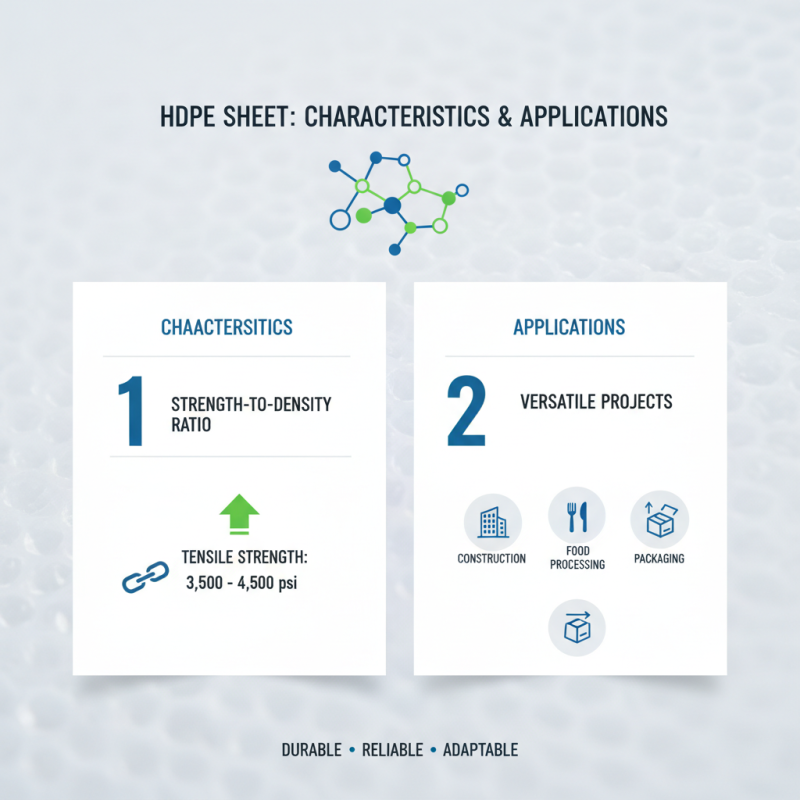
When selecting HDPE sheets, understanding their characteristics and applications is crucial. High-Density Polyethylene (HDPE) is renowned for its strength-to-density ratio. According to industry reports, it boasts a tensile strength ranging from 3,500 to 4,500 psi. This makes it suitable for various projects, including construction, food processing, and packaging.
HDPE’s resistance to impact and chemicals is a significant advantage. It withstands corrosive substances and extreme temperatures. This characteristic makes it ideal for industries requiring durable materials. The ability to perform in challenging environments, such as wastewater treatment plants, showcases its versatility. However, not all HDPE sheets are created equal. Variability in quality can lead to failures if the wrong type is chosen for a specific application.
When considering HDPE sheets, it’s important to evaluate thickness, color, and finish. Thicker sheets offer greater durability but may be more challenging to handle. On the other hand, lighter sheets can be suitable for applications requiring easy installation. Some reports suggest that a thickness of at least 0.5 inches is often preferred in industrial settings. Failing to select the right specifications can impact performance and longevity, leading to costly replacements down the line.
Evaluating the Thickness and Density of HDPE Sheets
When selecting HDPE sheets, thickness and density are crucial factors. The thickness of the sheet directly affects its strength and application. Thicker sheets often provide better durability, making them suitable for heavy-duty projects. However, thicker materials can be harder to work with and may require specialized tools for cutting and shaping. Evaluating your project needs can help you find the right balance between weight and robustness.
Density is another important consideration. High-density HDPE offers excellent resistance to impact and chemicals. It is ideal for demanding environments. In contrast, lower-density sheets are lighter and easier to handle but may lack the same level of durability. Each project may benefit from different density levels. It's essential to analyze your specific requirements thoroughly. You may need a trial or experiment to gauge how the chosen thickness and density perform under real-world conditions. Sometimes, the first choice might not be the best fit. Flexibility in your approach can lead to better outcomes.
Selecting the Right Color and Finish for Your Project
Choosing the right color and finish for HDPE sheets can significantly impact your project’s aesthetics and functionality. Color selection should align with the project’s purpose and environment. Bright colors can attract attention, while neutral tones often blend seamlessly. Think about where the sheets will be used. Outdoor applications may benefit from UV-resistant colors to maintain vibrancy over time.
The finish of HDPE sheets also plays a crucial role. A smooth finish provides a sleek appearance, while textured surfaces may offer better grip or camouflage scratches. Consider the maintenance requirements of each finish. Smooth surfaces are easier to clean but may show fingerprints, while textured ones can conceal surface imperfections. This raises the question: how much wear and tear will the sheets endure in real-life use?
Reflecting on your project’s needs is vital. The ideal color and finish should not just be visually appealing but also practical. Will the color resist fading? Is the finish durable enough for heavy use? Selecting the wrong options can lead to costly adjustments later on. Weighing these factors carefully ensures a more successful application and lasting satisfaction with your chosen HDPE sheets.
How to Choose the Best HDPE Sheets for Your Project? - Selecting the Right Color and Finish for Your Project
| Color |
Finish Type |
Applications |
Thickness (mm) |
Price per sheet ($) |
| Black |
Matte |
Industrial Containers |
6 |
25 |
| White |
Gloss |
Food Processing |
4 |
30 |
| Blue |
Textured |
Outdoor Furniture |
8 |
40 |
| Green |
Smooth |
Medical Applications |
10 |
50 |
| Red |
Semi-gloss |
Signage |
5 |
35 |
Assessing Cost and Availability of HDPE Sheets
When evaluating HDPE sheets for your project,
cost and availability play crucial roles.
According to a report by Freedonia Group, the demand for HDPE sheets is expected to grow by 3.1% annually.
This growth reflects the increasing need across various industries such as construction, packaging, and marine applications.
However, regional availability can vary significantly. Some areas may experience shortages, leading to price spikes.
The cost of HDPE sheets is influenced by multiple factors.
Raw material prices, manufacturing costs, and transportation
all contribute to the final price. For instance, OilPrice.com noted that fluctuations in crude oil prices impact HDPE cost directly.
While HDPE can be economical, project budgets need to account for potential price increases.
Bulk purchasing may mitigate these costs,
yet suppliers may have varied inventory levels.
Assessing the availability of HDPE sheets also requires understanding local suppliers and distribution channels.
Some regions are better served than others.
A lack of options can lead to delays and unforeseen expenses.
Regularly checking supplier inventories can aid in avoiding shortages and planning effectively.
Balancing these factors will help ensure your project remains on schedule and within budget.