How to Choose the Best Plastic Board for Your Needs?
Choosing the right plastic board can be a daunting task. The market offers a variety of options, each tailored for specific needs. Recent studies indicate that the global plastic board market is projected to reach $5 billion by 2025, highlighting its growing significance in multiple industries. "Not all plastic boards are created equal," says John Smith, a leading expert in manufacturing plastics.
Material durability, flexibility, and cost are critical factors. Many professionals overlook the importance of selecting the right specifications. Some boards may warp with heat, while others may shatter under pressure. Understanding these properties is essential to make an informed choice. For example, polyethylene offers high impact resistance. It can perform well in demanding environments. Yet, its durability comes at a higher price point.
Confusion often arises from varying industry standards. Buyers need clarity about their requirements before making decisions. An informed approach can prevent costly mistakes. Thus, exploring expert opinions and specialized reports is crucial. By weighing the advantages and limitations, you can confidently select a plastic board that meets your specific needs.
Understanding Different Types of Plastic Boards and Their Applications
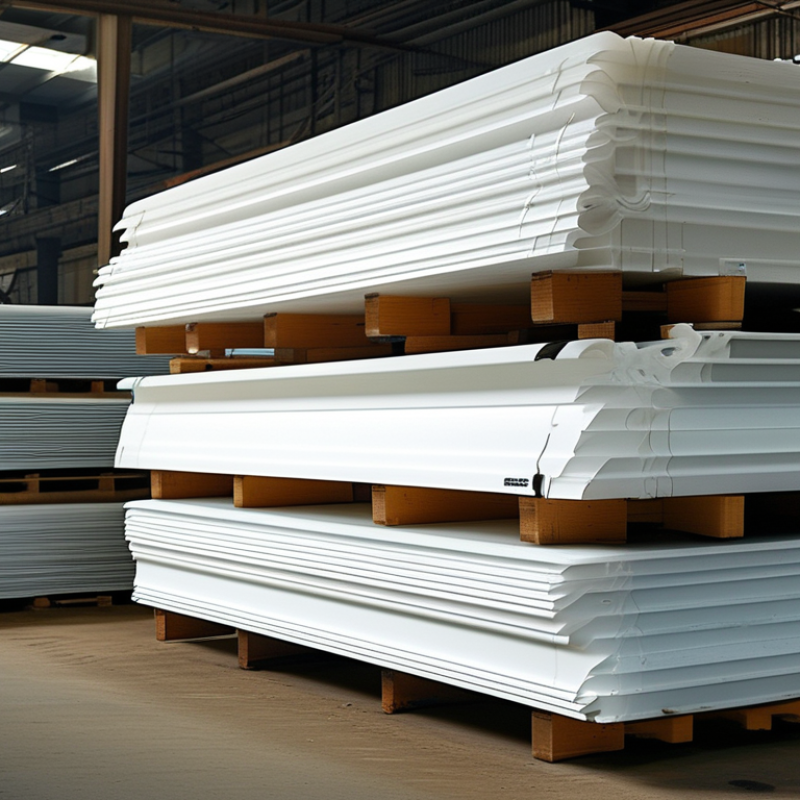
When selecting the right plastic board, understanding the various types and their uses is crucial. There are several types of plastic boards, each with unique properties. Acrylic, for instance, is lightweight and offers excellent clarity. It's perfect for displays and protective barriers. Polycarbonate is another option known for its impact resistance. This makes it ideal for areas that need durability.
Foam boards are lightweight and easy to cut. They are often used for signs, presentations, and arts and crafts.
PVC boards are versatile and weather-resistant, suitable for outdoor projects. However, choosing the right board requires consideration of specific needs. Some boards are flexible while others are rigid. The environment should also be a factor. Will the board be exposed to moisture or harsh sunlight?
It's important to reflect on the intended use. A board for indoor art may differ greatly from one for outdoor signage. Each application has its own requirements for performance and longevity. Without this consideration, you may end up with a product that doesn't meet your expectations. Always weigh the
pros and cons before making your final decision.
Evaluating Key Factors for Selecting Plastic Boards
When selecting a plastic board, consider its application. Different tasks require different board types. For instance, a cutting board demands durability, while a display board needs a smooth surface. Understanding your primary use helps narrow your choices.
Material is a crucial factor. Polypropylene offers resistance to chemicals and moisture. Acrylic, on the other hand, provides excellent clarity and color options. Think about the environment the board will be used in. Exposure to sunlight, heat, or humidity can affect the board’s performance.
Tips: Always check the board's thickness. A thicker board often means better durability. If in doubt, choose a versatile option. Versatility ensures it can adapt to changing needs. Lastly, consider the weight. A lighter board is easier to handle but may sacrifice sturdiness. Reflect on your priorities and needs to find the right balance.
Comparing Cost and Durability of Various Plastic Board Materials
When selecting a plastic board, cost and durability are key factors. The market offers a variety of materials, each with unique properties. Polypropylene, for example, is known for its durability and resistance to impact. Data indicates that polypropylene can endure heavy loads and remain intact, making it suitable for construction and industrial applications.
On the other hand, polyvinyl chloride (PVC) offers advantages in cost-effectiveness. Reports show that PVC is about 30% cheaper than some high-end alternatives. This makes it popular for projects on a budget. However, it may not have the same lifespan. Depending on exposure to UV light and harsh environments, PVC boards can degrade faster than expected.
Choosing the right material requires careful consideration. A balance between upfront costs and long-term durability is essential. If a cheaper option fails prematurely, it might lead to unexpected expenses. Industry professionals suggest evaluating maintenance needs and environmental factors as well. This thorough assessment can ultimately influence both performance and budget in future projects.
How to Choose the Best Plastic Board for Your Needs? - Comparing Cost and Durability of Various Plastic Board Materials
| Plastic Board Material |
Cost per Square Foot |
Durability (Years) |
Weight (lbs/sq ft) |
Water Resistance |
| PVC Board |
$3.00 |
10-15 |
1.3 |
Excellent |
| Polycarbonate |
$6.00 |
10-20 |
1.5 |
Good |
| Acrylic Board |
$5.00 |
10-15 |
1.2 |
Moderate |
| HDPE (High-Density Polyethylene) |
$4.50 |
15-25 |
1.0 |
Excellent |
| PP (Polypropylene) |
$2.50 |
5-10 |
0.8 |
Good |
Identifying Suitable Plastic Board Options for Specific Projects
When selecting a plastic board for specific projects, understanding the various types is crucial.
Polypropylene (PP) and Polyethylene (PE) are popular choices due to their durability and versatility.
PP is often used in situations requiring chemical resistance. PE, on the other hand, is excellent for applications involving moisture, making it suitable for outdoor usage.
According to a recent market analysis report, the demand for these materials in various industries has surged by over 20% in the past year.
This trend indicates a growing need for reliable plastic board solutions.
Consider the thickness and density of the plastic board as well. A thickness of at least 0.125 inches is recommended for most structural applications.
For lightweight projects, thinner boards might suffice but they may lack the necessary strength. Critical considerations also include UV resistance and temperature tolerance, especially for outdoor projects.
Industry data suggests that boards with enhanced UV protection can extend their lifespan by up to 50%.
However, not all boards are created equal; some may warp or degrade over time, which highlights the importance of assessing long-term performance.
Lastly, always think about application specifics. If your project requires cutting, drilling, or bonding,
the appropriate board choice will directly impact your efficiency.
Boards that splinter easily or do not bond well can slow down project timelines. While certain boards may present immediate cost savings, hidden costs in maintenance and replacements can add up.
Balancing initial costs and long-term durability should guide your choice.
Tips for Maintaining and Caring for Your Plastic Boards
Maintaining plastic boards requires specific care to prolong their lifespan. Regular cleaning is crucial. Use mild soap and warm water to remove dirt effectively. Avoid harsh chemicals, as they can damage the surface. Rinse thoroughly to prevent any soap residue from lingering. This simple step keeps your boards looking fresh.
Storing plastic boards properly is essential too. Keep them in a cool, dry place away from direct sunlight. Exposure to heat can warp the material. It’s wise to stack them neatly to avoid scratches.
If you notice any warping or scratches, consider a gentle sanding. This can restore the surface while affecting the board minimally.
Finally, be mindful of cutting techniques. Use appropriate knives to avoid deep cuts. Deep grooves complicate cleaning and maintain hygiene, making your boards less reliable. Regularly inspect your plastic boards for any signs of wear. If a board shows significant damage, replacing it may be your best option.
Make care an ongoing practice to ensure your plastic boards last.