
Choosing the best septic tank cleaner requires more than trusting a bright label or a strong marketing claim. A reliable choice starts with your tank’s condition, age, size, and maintenance history. It also considers whether the product is designed for routine care or a specific problem. A septic tank cleaner should support healthy biological activity, not replace pumping or professional inspection.
Look for clear ingredient information, realistic instructions, and guidance from established wastewater professionals. Avoid products that promise instant repairs, eliminate every odor, or remove heavy sludge without service. Those claims deserve careful questioning. Read the label before use. Confirm the recommended dose. Never mix treatments casually, especially when household chemicals may already enter the system.
Small details matter. A bottle stored in a hot garage may degrade before use. An overloaded tank may show slow drains, wet soil, or sewage odors near the drain field. Cleaner alone cannot solve those warning signs. A qualified septic technician can identify the actual cause and recommend safe action.
The “best” product is not always the strongest one. It is the option that matches your system and follows responsible maintenance practices. This point is easy to overlook. Product performance can also vary between homes, soil conditions, and wastewater habits. Keeping dated notes after application may help reveal whether the treatment provides value. When results remain unclear, professional advice is more dependable than repeated experimentation.
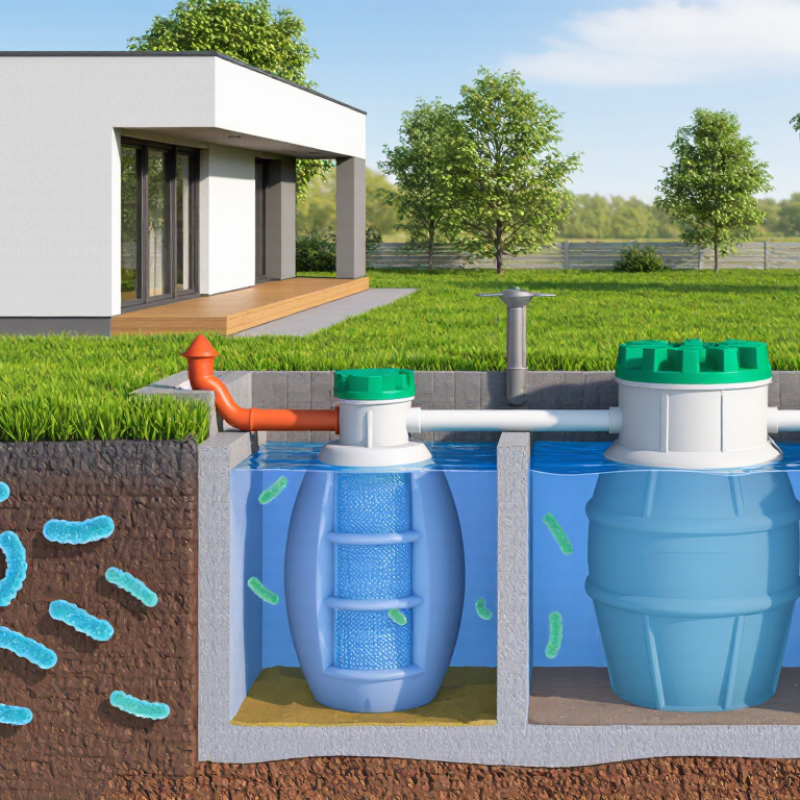
How to Choose the Best Septic Tank Cleaner?
Define Septic Tank Cleaners by Function, Safety, and Treatment Claims
A septic tank cleaner should have a clear function. Some products support odor control. Others target organic buildup in pipes. None should replace scheduled pumping or professional inspection. The U.S. EPA reports that more than 21 million American households use septic systems. That scale makes vague treatment claims worth questioning.
Look for evidence, not impressive wording. “Natural” does not automatically mean safe. Some harsh chemicals can disturb beneficial bacteria or harm soil absorption. EPA guidance states that routine additives are generally unnecessary for properly maintained systems. A safer choice explains its ingredients, dosage, storage, and disposal requirements. It should also avoid promising to dissolve every blockage or repair a failing drainfield. Those claims sound convenient. They are usually too broad.
Function matters most. A biological cleaner may help reduce minor organic residue in household pipes. It cannot remove a thick sludge layer. Only pumping can do that. The EPA’s Septic Systems Overview recommends regular inspections and pumping based on household size, tank capacity, and solids volume. Independent testing is another useful signal. Where applicable, check whether performance claims follow recognized wastewater standards, such as NSF/ANSI 46. I would still read the test conditions carefully. Laboratory results may not match a crowded home, cold soil, or years of neglected maintenance. A slow drain needs diagnosis, not optimism.
| Cleaner Type | Primary Function | Typical Active Ingredients | What It May Help With | Safety for Septic Systems | Evidence and Treatment Claims | Important Limitations | Selection Guidance |
|---|---|---|---|---|---|---|---|
| Biological Enzyme Cleaner | Uses enzymes to break down specific organic materials before or after they enter the septic tank. | Protease, amylase, lipase, or cellulase enzymes. | May assist with small amounts of protein, starch, grease, or cellulose residue in household drains. | when used according to the label and kept free from harsh disinfectants or solvents. | Enzymes can break down targeted materials under suitable conditions, but they do not digest all tank solids or replace normal septic maintenance. | Performance depends on temperature, contact time, pH, and the type of waste present. Enzymes are not a remedy for a blocked line or a failed drain field. | Choose a product that clearly identifies its enzyme types, intended use, dosage, and compatibility with septic systems. |
| Bacterial or Microbial Additive | Introduces microorganisms intended to support biological decomposition of organic matter. | Non-pathogenic bacterial cultures, sometimes combined with enzymes or nutrients. | May support the biological breakdown of biodegradable waste under favorable septic-tank conditions. | if the formulation is specifically labeled for septic use and does not contain corrosive chemicals. | A healthy septic tank already contains naturally occurring microorganisms. Added bacteria may offer limited benefit when normal household use and maintenance are already adequate. | It cannot remove accumulated sludge, repair structural damage, restore a saturated drain field, or correct excessive water flow. | Consider only products with clear organism information, storage instructions, expiration details, and septic-system directions. |
| Grease-Digesting Biological Formula | Targets fats, oils, and grease that may accumulate in household plumbing. | Lipase-producing microorganisms or lipase enzymes. | May help reduce small grease deposits in drain lines when used preventively. | provided it is non-corrosive and used at the stated dose. | Biological action may assist with biodegradable grease, but heavy grease blockages normally require mechanical cleaning or professional service. | It should not be used as a substitute for keeping cooking oil, fats, and grease out of household drains. | Use prevention first: collect cooking grease separately and wipe greasy cookware before washing. |
| Caustic or Acidic Drain Cleaner | Dissolves or loosens organic blockage in a plumbing line through a strong chemical reaction. | May contain sodium hydroxide, potassium hydroxide, sulfuric acid, or hydrochloric acid. | Can act quickly on some localized drain clogs. | May harm users, plumbing components, beneficial microorganisms, and the environment if misused. | These products are designed for drain opening, not for cleaning or restoring a septic tank. “Fast-acting” does not mean septic-safe. | Never mix with other cleaners. Chemical burns, toxic fumes, pipe damage, and septic-system disruption are possible. | Avoid unless the product label specifically confirms septic compatibility and a qualified professional recommends its use. |
| Oxidizing or Disinfecting Cleaner | Sanitizes surfaces or oxidizes organic material in household cleaning applications. | Chlorine compounds, peroxides, peracetic acid, or other oxidizing agents. | Useful for surface sanitation when used in appropriate locations and concentrations. | Large or repeated discharges may disturb the microbial balance of a septic system. | Disinfection claims apply to specified surfaces or organisms under defined contact conditions; they do not demonstrate septic-tank cleaning performance. | Do not pour concentrated disinfectants into toilets or drains unless the label permits septic-system use. Never mix chlorine products with acids or ammonia. | Use the smallest effective amount and follow dilution, contact-time, ventilation, and disposal instructions. |
| Solvent-Based Cleaner | Uses solvents to dissolve grease, adhesives, petroleum residues, or other difficult materials. | Petroleum distillates, glycol ethers, alcohols, or other organic solvents. | May remove certain residues from hard surfaces or specialized equipment. | Some solvents can be toxic, flammable, persistent, or harmful to septic biology and groundwater. | A solvent’s ability to dissolve a substance does not prove that it is suitable for discharge into a septic system. | Potential concerns include groundwater contamination, fire risk, toxic exposure, and damage to tank or drain-field function. | Do not dispose of solvent-based products through sinks or toilets. Follow local hazardous-waste requirements. |
| Septic Tank Additive Marketed as a “Complete Cleaner” | Usually combines bacteria, enzymes, fragrances, surfactants, or other ingredients and claims broad tank benefits. | Varies by formula; review the complete ingredient and hazard information. | May provide odor control or limited organic-matter treatment, depending on the formulation. | Safety cannot be judged from marketing language alone. | Claims such as “eliminates sludge,” “prevents pumping,” or “restores the drain field” require strong independent evidence and should be treated cautiously. | No additive can reliably replace inspection, pumping, repairs, water-use control, or proper waste disposal. | Prefer transparent labels, third-party safety information, realistic claims, and clear instructions for septic compatibility. |
| Mechanical or Professional Cleaning Service | Physically removes accumulated solids, scum, blockages, or obstructions from the septic system or plumbing. | No chemical active ingredient; may involve pumping, inspection, jetting, or specialized equipment. | Removes material that biological or chemical additives cannot reliably eliminate. | when performed by qualified personnel using appropriate procedures. | Pumping and inspection are established maintenance methods. Service frequency depends on tank size, household size, wastewater volume, and solids accumulation. | Cleaning does not correct every problem; damaged tanks, blocked pipes, or failed drain fields may require repair or replacement. | Use when there are slow drains, sewage odors, surfacing wastewater, backups, high sludge levels, or an overdue maintenance inspection. |
Practical selection rule: Choose products with transparent ingredients, septic-system compatibility, realistic claims, clear dosing instructions, and appropriate safety information. Septic additives should not replace regular inspections, pumping when needed, water-use management, or professional repairs.