How to Choose the Right Butterfly Valve for Your Needs?
Selecting the right Butterfly Valve for your applications can be daunting. Butterfly valves are crucial in various industries, including water treatment, oil and gas, and power generation. According to a report by MarketsandMarkets, the global butterfly valve market is projected to reach USD 9.5 billion by 2026, reflecting a growth rate of 4.8% annually. This growth highlights the expanding role of butterfly valves.
Each valve's design and function depend on its application. For instance, some valves offer a tight seal, while others facilitate quick shut-off. A report from Grand View Research emphasizes that miscalculating the specific needs can lead to system inefficiencies and increased costs. Managing fluid flow effectively requires understanding valve types, materials, and sizes.
It's essential to balance options and make informed decisions. Not every butterfly valve will suit every requirement. Ignoring details such as pressure ratings and temperature limits can result in issues. Therefore, consider all factors carefully. Recognizing the importance of tailored solutions is crucial in achieving optimal performance in your systems. The right butterfly valve is not just a choice; it's a strategic decision.
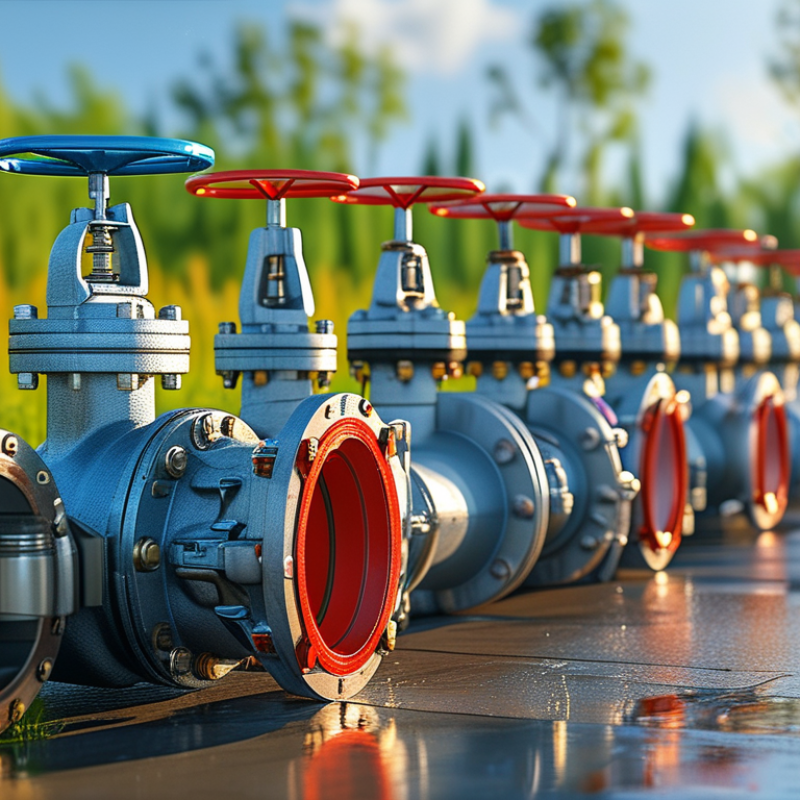
Understanding Butterfly Valve Types and Their Applications
When selecting a butterfly valve, understanding its types is crucial. The most common types are the resilient seated, metal seated, and triple offset valves. Resilient seated valves are ideal for water and wastewater applications. They offer good sealing and are cost-effective. Metal seated valves, on the other hand, handle high temperatures and pressures. They are often used in industrial processes. Triple offset valves provide excellent flow control and are great for critical applications.
Each valve type has unique features suited for specific environments. Resilient seated valves are less durable in extreme conditions. Metal seated valves can be more expensive but offer longevity. Choosing the right type requires considering your system's temperature and pressure ranges. Many overlook the importance of these factors.
Think about your own needs as well. Do you prioritize cost or longevity? Are you focused on specific materials? Many users find themselves unsure of their requirements. This uncertainty can lead to poor choices. The best approach is to gather information and consult with professionals in the field. This way, you ensure a valve that meets all operational demands effectively.
Key Specifications to Consider When Selecting a Butterfly Valve
When selecting a butterfly valve, key specifications are crucial. The valve's size is one important factor. It must match the piping system to ensure proper flow control. A valve that's too large or too small can lead to inefficiencies. Consider the diameter and pressure rating as primary metrics.
The material of the valve also affects performance. Butterfly valves come in various materials, such as stainless steel, ductile iron, and plastic. Each material has distinct properties suited for specific environments. For example, stainless steel is ideal for corrosive applications. On the other hand, plastic valves are lightweight and resistant to certain chemicals.
Another aspect is the type of seat design. Soft-seated valves offer excellent sealing and are suitable for low-pressure applications. However, they may wear prematurely in harsh conditions. Metal-seated valves provide durability but can be less effective at sealing. Choosing the right design requires careful thought. Assessing your environment and requirements can lead to better decision-making. This thoughtful approach can prevent future issues, saving time and costs.
Material Selection: Balancing Durability and Corrosion Resistance
Selecting the right material for a butterfly valve is crucial for performance. The material impacts durability and resistance to corrosion. Common materials include stainless steel, cast iron, and PVC. Each comes with pros and cons that can serve different applications.
Stainless steel provides excellent strength and corrosion resistance. It is ideal for harsh environments. However, it can be more expensive than other options. In contrast, PVC is lightweight and cost-effective. It resists corrosion well but lacks the strength of metal. This makes PVC suitable for less demanding situations.
Consider the operational environment when choosing a valve. High temperatures or pressures may rule out certain materials. Corrosion can be a major challenge in industries like chemical processing. An imperfect choice can lead to premature failure and higher maintenance costs. Assessing your specific needs is vital. Balancing durability and corrosion resistance can lead to better long-term performance.
Sizing and Pressure Requirements for Optimal Butterfly Valve Performance
When selecting a butterfly valve, sizing and pressure requirements are crucial for ensuring optimal performance. The valve's diameter should match the pipe size to prevent flow issues. A 2022 report by the Valve Manufacturers Association indicated that improper sizing can lead to a 30% drop in efficiency. This demonstrates that getting the right size is a fundamental step for achieving the desired flow rates.
Pressure ratings are equally important. High-pressure applications require valves that can withstand significant forces without failure. Many industry studies reveal that a butterfly valve rated for 150 psi can experience leakage if not properly evaluated for the specific application. Understanding both the static and dynamic pressure ratings is essential to avoid future maintenance headaches.
Additionally, it's vital to consider the medium's characteristics. Some fluids can corrode materials over time, influencing valve longevity and reliability. A report highlighted that up to 40% of valve failures are due to material incompatibility. Regularly reviewing the operating conditions and routine checks can catch potential issues early. Each application is unique, and these considerations should not be overlooked.
Maintenance Factors and Lifespan Considerations in Butterfly Valve Selection
When selecting a butterfly valve, maintenance factors and lifespan are crucial. Regular maintenance can extend valve life, reducing costs. According to industry reports, a well-maintained valve can last 15-20 years. Neglecting routine checks can lead to premature failure. This emphasizes the need for proper installation and periodic inspections. Lubrication and cleaning are vital. Dirt buildup can cause performance issues, leading to costly repairs.
Tips: To enhance your butterfly valve’s lifespan, ensure you follow the manufacturer's maintenance guidelines. Regular visual inspections can catch potential problems early. Pay attention to unusual noises or leaks during operation. They might signal wear or failure.
Also, consider the operating conditions. High pressures and temperatures can affect valve performance. Reports suggest that extreme conditions can reduce valve lifespan by up to 50%. Selecting materials that withstand specific conditions is key. Evaluate your system’s requirements thoroughly before making a decision. Doing so helps avoid unplanned downtime and financial losses.