How to Choose the Right Carton Forming Machine?
Choosing the right Carton Forming machine can shape your entire packaging operation. It affects production speed, carton quality, labor needs, and long-term operating costs. A suitable machine should match your carton dimensions, board material, closure style, and expected output.
Carton Forming equipment is not selected by speed alone. A machine producing 40 cartons per minute may appear efficient, but it could waste material when carton blanks vary slightly. Experienced packaging teams inspect forming accuracy, changeover time, glue performance, and maintenance access. They also review sample cartons under real production conditions, not only supplier demonstrations.
Fit matters. The best decision begins with clear production data. Measure carton length, width, height, board thickness, and daily volume. Check whether the machine supports your existing conveyors, coding units, and case-packing equipment. Reliable manufacturers should provide technical drawings, trial results, safety information, and responsive service after installation.
No selection process is perfect. Some buyers focus heavily on purchase price and overlook training, spare parts, or future product changes. That mistake can become expensive when a simple format adjustment requires hours of downtime. A careful evaluation compares total ownership cost, machine flexibility, operator experience, and supplier credibility. This guide explains the practical questions to ask before investing, helping you choose a carton forming solution that performs consistently rather than merely looking impressive on paper.
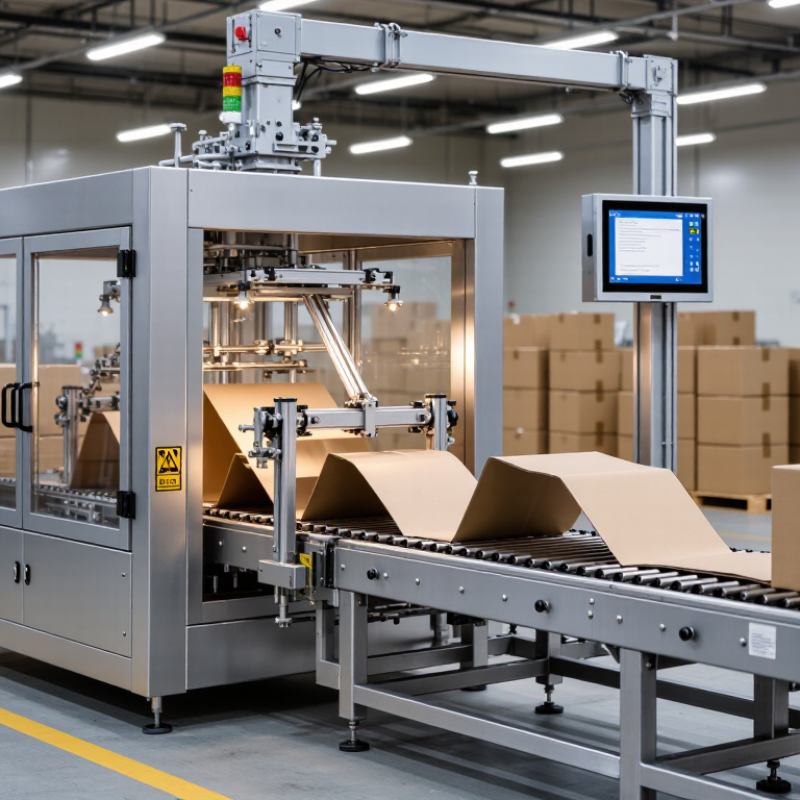
Define Your Carton Forming Requirements
How to Choose the Right Carton Forming Machine?
Define Your Carton Forming Requirements
Start with the carton, not the machine. Record its length, width, height, board grade, coating, and folding style. Measure both flat blanks and erected cartons. Small details matter. A glossy surface may reduce glue adhesion, while recycled board can change compression strength. Confirm whether cartons use hot-melt adhesive, cold glue, tuck flaps, or locking tabs.
Production targets need equal precision. Define cartons per minute, operating hours, batch sizes, and acceptable changeover time. PMMI’s 2023 State of the Industry Report valued U.S. packaging machinery shipments at $10.2 billion in 2022, an 11.9% annual increase. That growth reflects serious automation demand, but higher speed is not always better. A machine that runs quickly may waste materials during frequent adjustments. Test real blanks.
Ask operators to identify difficult cartons and recurring stoppages. Document available floor space, electrical supply, compressed air, guarding, and line integration needs. Include inspection points for open flaps, poor glue patterns, and damaged corners. An experienced supplier should run your actual cartons before final selection. Request measurable results, including speed, reject rate, and changeover duration. I still leave room for a wrong assumption. Requirements change after production begins. Recheck them against real samples, seasonal volumes, and future carton designs.
Compare Carton Forming Machine Types and Methods
How to Choose the Right Carton Forming Machine?
Compare Carton Forming Machine Types and Methods
Choosing the right carton forming machine starts with comparing forming methods, not catalog speed. In production reviews, I examine carton size, board stiffness, closure style, and hourly demand. A machine rated for 40 cartons per minute may struggle with warped blanks or frequent size changes. Measure real materials, not ideal samples.
Semi-automatic machines suit smaller batches and frequent product changes. They usually need an operator to load blanks or manage carton feeding. Intermittent automatic machines pause during folding and sealing, giving stable control for standard cartons. Continuous-motion machines run faster, but they demand accurate blanks and careful setup. Horizontal forming works well for many retail cartons, while vertical forming can suit products loaded from above. Pre-glued cartons use a different forming method from flat tuck-end cartons. The carton design matters greatly.
Test it live. Ask the supplier to run your actual board, adhesive, and closure style. Check changeover time, jam recovery, guarding, cleaning access, and spare-part availability. A common mistake is choosing the fastest machine before checking floor space and operator skill. I have also seen small alignment errors become repeated carton damage. That detail is easy to overlook. Record rejection rates during a realistic trial, not just the best five minutes. A slower machine with dependable feeding may deliver better output across a full shift.
Calculate Total Cost and Select the Right Machine
How to Choose the Right Carton Forming Machine?
Calculate Total Cost and Select the Right Machine
Choosing a carton forming machine should begin with total cost, not the purchase price. A low-cost machine may require more operators, frequent adjustments, or expensive tooling. Include electricity, compressed air, spare parts, maintenance, training, and expected downtime. Also measure changeover time between carton sizes. Ten extra minutes per changeover can become several lost production hours each month.
From practical production reviews, the best choice usually matches real output rather than advertised speed. Record your cartons per minute, material thickness, box dimensions, and daily operating hours. Then compare those figures with the machine’s tested performance. Ask for sample trials using your actual carton blanks. This can reveal folding cracks, weak seals, or inconsistent forming. Small leaks matter. Measure them. I have seen teams overestimate demand and buy excessive capacity. That decision increased energy use and left valuable floor space unused.
Tips: Build a three-year cost sheet before selecting equipment. Separate fixed costs from variable costs. Add a realistic allowance for maintenance and unplanned stops. Check whether operators can reach adjustment points safely and quickly. A machine that changes format easily may outperform a faster machine during mixed production. Review supplier documentation, service response terms, and available technical training. Do not trust one impressive test result. Repeat the test under normal shift conditions, because clean demonstrations rarely reflect every production problem.
How to Choose the Right Carton Forming Machine?
Five-year total cost comparison by machine configuration
The comparison uses a modeled five-year cost estimate for a medium-sized packaging operation running 2,000 hours per year. Total cost includes estimated purchase price, electricity, labor, maintenance, and tooling. Actual costs vary with carton size, production volume, automation level, energy prices, and local labor rates.