How to Choose the Right Plastic Board Sheet for Your Project?
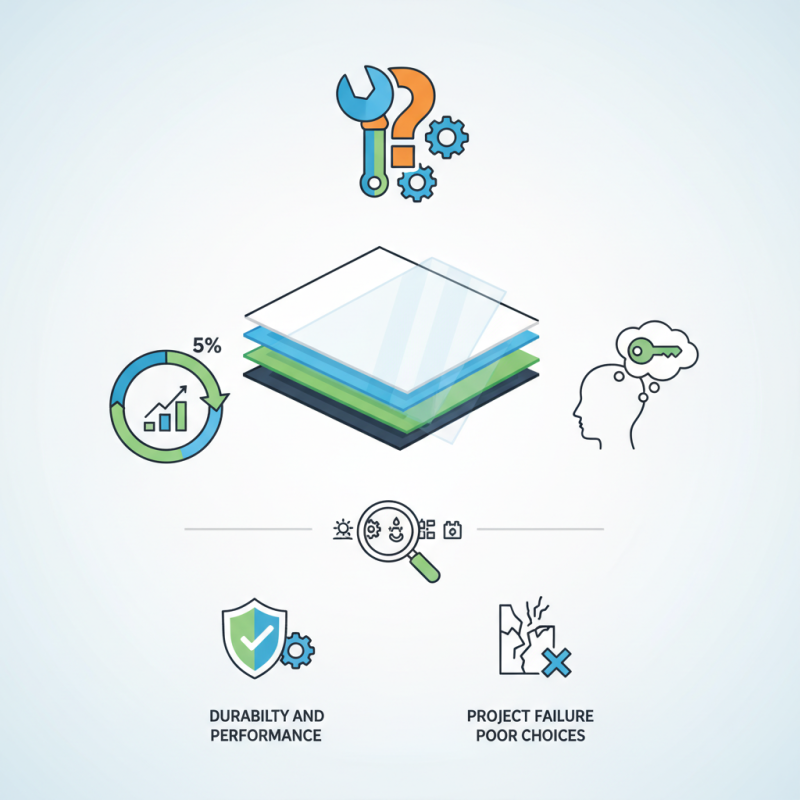
Choosing the right plastic board sheet for your project can seem daunting. With countless options available, making an informed decision is crucial. According to a report by the Plastic Industry Association, the demand for plastic sheets has grown by 5% annually over the past three years. This growth illustrates a trend that highlights the increasing reliance on versatile materials like plastic board sheets.
Expert John Smith, a veteran in the plastic manufacturing industry, once stated, “Selecting the right material is key to the success of any project.” His insight resonates in every decision makers face. Understanding the properties of various plastic sheets is essential for durability and performance.
Many projects fail due to poor material choices. A clear understanding of your specific needs can prevent costly mistakes. While plastic board sheets are known for their resilience, not all types are suitable for every application. Some may warp or degrade under certain conditions. This reflects the importance of careful selection.
Understanding the Different Types of Plastic Board Sheets Available
When choosing a plastic board sheet, understanding the types available is crucial. There are several categories: Acrylic, Polycarbonate, PVC, and Polyethylene. Each type has unique properties and applications. For example, acrylic offers clarity and UV resistance, making it ideal for signage and displays. Polycarbonate, on the other hand, is more impact-resistant, often used in safety gear and glazing.
A report by the Plastics Industry Association indicates that the global plastic sheet market is expected to grow by 4.6% annually. This growth is driven by the demand in various sectors. PVC sheets, known for their cost-effectiveness, are widely used in construction and furniture. However, they can be less durable when exposed to harsh conditions. Conversely, polyethylene boards are lightweight and flexible, but may not be suitable for heavy-duty applications.
Common challenges arise when selecting the right sheet. Some may choose based on price alone, overlooking durability. Others might ignore how environmental factors affect material longevity. According to industry experts, understanding the specific needs of your project is essential. This ensures that the chosen plastic board will perform effectively and meet applicable regulations. Always assess the environment where the material will be used, as this can greatly influence performance and lifespan.
Evaluating Your Project Requirements for Plastic Board Sheets
When selecting the right plastic board sheet for your project, it's crucial to consider specific project requirements. Different applications may demand varied properties from plastic sheets. For instance, according to a 2022 industry report from Plastics News, over 50% of manufacturers prioritize durability when choosing materials. This aspect can significantly affect long-term performance and cost-effectiveness.
Thickness is a key factor in your decision-making process. The right thickness can ensure strength and flexibility. The same report indicates that sheets between 0.125 and 0.250 inches are most commonly used for a range of applications, from construction to craft projects. However, not all projects benefit from the same thickness. A project focused on aesthetics might allow for thinner sheets, while structural applications necessitate thicker, heavier-duty options.
Another consideration is the sheet's surface finish. Different finishes can influence adhesion, paintability, and compatibility with other materials. A 2021 study highlighted that over 60% of professionals found surface conditions crucial for successful applications. These factors might complicate your choice but understanding your project’s unique needs can simplify the decision. Always reflect on your requirements before selecting the material. Make sure you align the properties of plastic sheets with your project goals.
Comparison of Different Plastic Board Sheet Types
This chart compares the cost per square foot of various types of plastic board sheets commonly used in projects. Understanding the cost differences can help you choose the right material based on your project's budget and requirements.
Key Features to Consider When Choosing Plastic Board Sheets
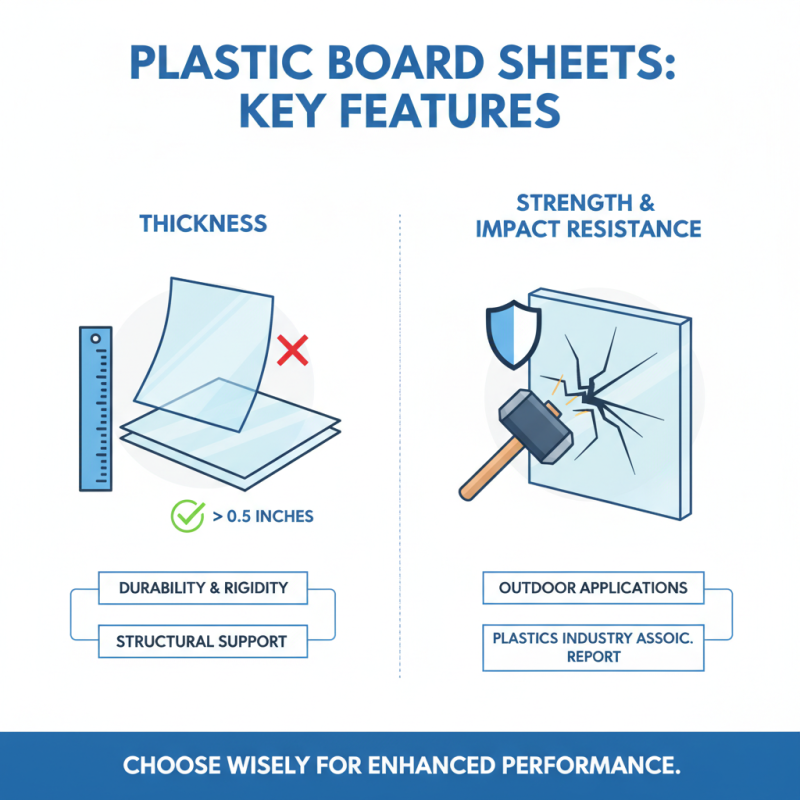
Choosing the right plastic board sheet involves understanding key features. The thickness and strength of the sheet are crucial. Generally, sheets thicker than 0.5 inches offer better durability. According to a report by the Plastics Industry Association, thicker sheets can provide enhanced impact resistance, especially for outdoor applications.
Consider the material type. Polycarbonate sheets are significantly more resistant to UV radiation than acrylic sheets. A study revealed that UV exposure can degrade plastic, leading to reduced lifespan. Assess the transparency level as well. Some projects need clear sheets; others may require opaque options for privacy or aesthetic reasons.
Evaluate the weight of the material. Heavier sheets may be more robust but can complicate installation. If weight is a concern, finding a balance between durability and lightweight options is necessary. Additionally, pricing should fit the budget while reflecting quality. Some cheaper sheets might lack longevity, leading to higher costs over time. Remember, a well-informed choice today will save future headaches.
Comparing Cost and Performance of Various Plastic Board Sheets
When selecting a plastic board sheet for your project,
cost and performance are key factors.
Different materials like acrylic, PVC, and
polycarbonate offer unique benefits.
Acrylic is often more expensive but shines in clarity and UV resistance. PVC, on the other hand,
is budget-friendly, yet it may not have the same strength as polycarbonate. Each choice has its
pros and cons, making the decision quite challenging.
Consider the specific needs of your project.
For instance, if you require a lightweight option, acrylic might be ideal but could strain your budget.
In contrast, PVC could fulfill your needs without the costly expenditure. Also, think about durability
and resistance to environmental factors. Some sheets can warp in heat, while others resist impact well.
Finding that balance between cost and resilience
is crucial. You may find yourself iterating several times before reaching a satisfactory choice.
Sourcing and Purchasing Plastic Board Sheets Effectively
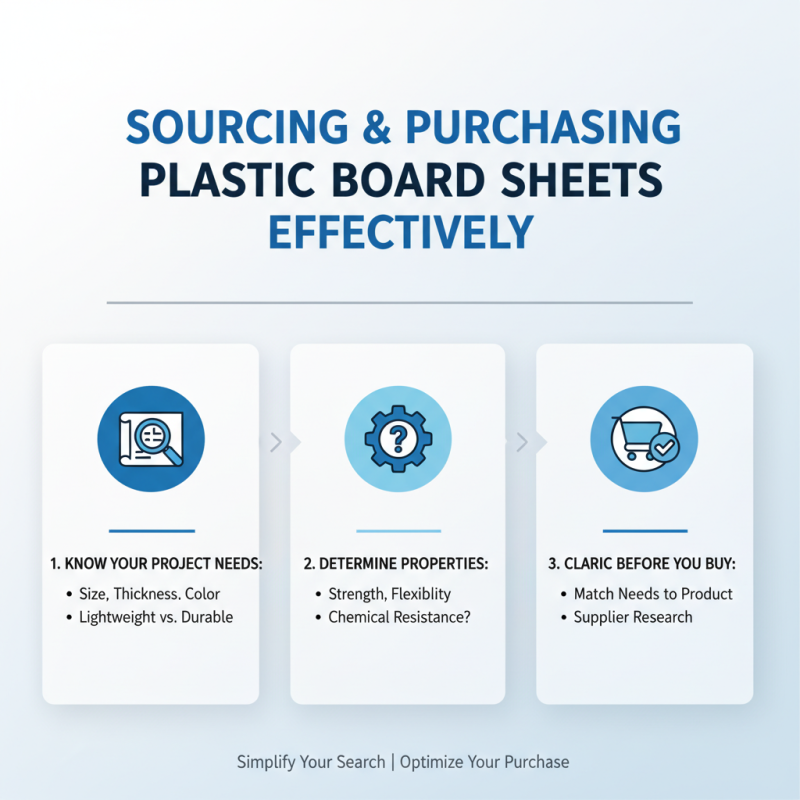
Sourcing plastic board sheets can seem daunting. Begin by knowing your project's requirements. Consider the size, thickness, and color. Different projects may call for different properties. Some sheets are lightweight, while others are strong and durable. It’s essential to clarify what you need before you shop.
When purchasing, research suppliers carefully. Look for those who offer a variety of options. A wide selection ensures you can compare qualities and prices. Ask for samples if possible. It’s a chance to assess texture and thickness. But remember, not all samples reflect the final product.
Don’t overlook shipping and handling costs. They can significantly affect your budget. Keep in mind your local suppliers might offer better deals. However, they might lack specific specialty sheets. If you encounter difficulties, consider revisiting your requirements. Sometimes, adjusting your needs can lead to better options. Be flexible and open to alternatives.