What is Clear Plastic Sheeting and Its Uses in Home Improvement
Clear plastic sheeting is a versatile material that has found its way into numerous applications within the home improvement industry. According to a report by Grand View Research, the global plastic sheeting market is expected to reach $17.39 billion by 2025, with clear plastic sheeting playing a significant role in this growth due to its functionality and adaptability. As an industry expert, Dr. Emily Carter notes, "Clear plastic sheeting is not just a protective layer; it enhances visibility and accessibility in home projects, significantly improving both efficiency and safety."
From providing barriers against moisture and dust to acting as a protective covering for outdoor projects, the uses of clear plastic sheeting are extensive. Its application in renovation projects, greenhouse construction, and even as a temporary solution during inclement weather underscores its crucial role in maintaining the integrity of home spaces. Moreover, its lightweight yet durable nature makes it a favorable choice among contractors and homeowners alike. As the demand for effective materials in home improvement continues to rise, clear plastic sheeting stands out as a key player that supports various projects while delivering exceptional value.
Understanding Clear Plastic Sheeting: Definition and Properties
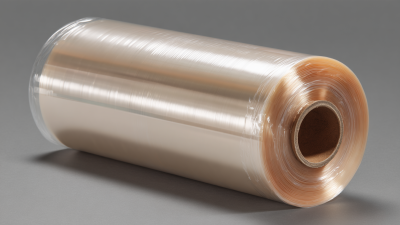
Clear plastic sheeting, often referred to as polyethylene sheeting, plays a crucial role in various home improvement projects due to its versatile properties. According to a report by the U.S. Department of Energy, clear plastic sheeting can significantly improve energy efficiency by acting as a barrier against air leakage, which is responsible for up to 30% of energy loss in residential buildings. The material is typically made from low-density polyethylene (LDPE), making it lightweight yet durable, ideal for both temporary and long-term applications.
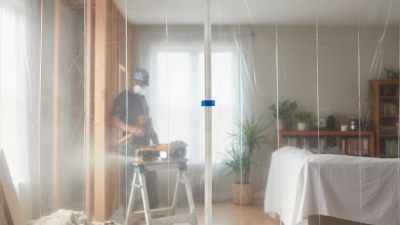
Furthermore, clear plastic sheeting is moisture-resistant and UV-stabilized, which enhances its durability when used outdoors. For instance, homeowners often utilize it for greenhouse construction, as it allows sunlight to penetrate while protecting plants from harsh weather. A study by the Greenhouse Manufacturers Association highlights that greenhouses made with clear plastic can increase plant growth by up to 25% compared to traditional structures. Additionally, this sheeting can be used for dust containment during renovations, creating an effective barrier that minimizes the spread of debris while maintaining visibility. With its affordability and practicality, clear plastic sheeting remains an indispensable tool in home improvement projects.
Common Applications of Clear Plastic Sheeting in Home Improvement
Clear plastic sheeting, a versatile material in home improvement, serves a multitude of applications that enhance both functionality and aesthetics. One of the most common uses is as a protective barrier. According to a report from the U.S. Department of Energy, utilizing plastic sheeting in construction helps to improve insulation by minimizing air leaks, which can lead to energy savings of up to 20% in residential buildings. Homeowners often deploy clear plastic sheeting in areas such as drafty windows or under doors, creating an effective shield against the elements while still allowing natural light to permeate indoor spaces.
Another significant application of clear plastic sheeting is in greenhouse construction. A study published by the American Society for Horticultural Science highlighted that greenhouses covered with clear plastic can increase crop yield by up to 30% compared to those with traditional glass. The clarity of the plastic allows sunlight to nourish plants while maintaining warmth, ideal for extending the growing season. Additionally, it serves as an excellent tool for DIY projects, such as temporary wall installations or dust barriers during renovations, ensuring a cleaner and more organized work environment. Thus, clear plastic sheeting is essential for both energy efficiency and enhancing productivity in home settings.
Benefits of Using Clear Plastic Sheeting for DIY Projects
Clear plastic sheeting is an invaluable resource in home improvement projects, particularly for DIY enthusiasts. One of the key benefits of using clear plastic sheeting is its versatility. It can be employed for a variety of purposes, such as creating temporary greenhouses to protect plants from frost and pests, which is especially useful in colder months. This protective layer not only helps maintain optimal temperatures for plant growth but also acts as a barrier against unwanted insects, making it a practical choice for anyone looking to enhance their gardening efforts.
Moreover, clear plastic sheeting is also great for creating makeshift enclosures, such as those needed for 3D printers or crafting projects. This allows users to maintain controlled environments that keep dust and debris from affecting their work. Additionally, it can be used creatively in seasonal decorations, such as Halloween, where it can help build spooky setups or transparent dividers that add to the ambiance. With its ability to be easily manipulated and adapted, clear plastic sheeting continues to prove essential for innovative DIY projects around the home.
What is Clear Plastic Sheeting and Its Uses in Home Improvement
| Dimension |
Description |
Benefits |
Common Uses |
| Thickness |
Available in various thicknesses, typically from 4 mil to 10 mil |
Variety of options for different project needs |
Home insulation |
| Transparency |
Clear and transparent allowing visibility |
Does not block light, preserving aesthetics |
Greenhouses |
| Durability |
Resistant to tearing and moisture |
Long-lasting, ideal for outdoor use |
Temporary shelters |
| Weight |
Lightweight and easy to handle |
Easily transportable for DIY projects |
Craft projects |
| UV Resistance |
Some variations are treated for UV resistance |
Protects contents from sun damage |
Outdoor furniture covers |
Choosing the Right Type of Clear Plastic Sheeting for Your Needs
When selecting clear plastic sheeting for home improvement projects, it is essential to consider the various types available to ensure you meet your specific needs. According to a report by the Home Improvement Research Institute (HIRI), clear plastic sheeting can be categorized into various thicknesses, often ranging from 0.3 mil to 6 mil. The mil measurement indicates the thickness, with thicker sheets offering increased durability, making them suitable for heavy-duty applications like vapor barriers or temporary walls during renovations.
Additionally, the choice of material—such as polyethylene or polycarbonate—can significantly affect the performance of the sheeting. Polyethylene is commonly used due to its cost-effectiveness and versatility, while polycarbonate is favored for its UV resistance and strength, particularly in outdoor applications. The market trends indicate that the demand for UV-resistant sheeting has surged by 15% in recent years, reflecting a growing awareness among homeowners regarding environmental factors. When choosing clear plastic sheeting, it is vital to assess the specific conditions of your project, including exposure to elements and the required strength, to ensure optimal performance and longevity.
Usage of Clear Plastic Sheeting in Home Improvement
Maintenance and Care Tips for Clear Plastic Sheeting in Home Renovations
Clear plastic sheeting is a versatile tool in home renovations, but proper maintenance and care are crucial for maximizing its lifespan and effectiveness. First, ensure that the surface of the sheeting is clean and free from dust and debris before installation. This not only helps with adherence but also prevents scratches that could reduce its transparency and functionality. Regularly inspect the sheeting for any signs of wear or damage, such as tears or discoloration, which can compromise its protective properties.
Once installed, washing clear plastic sheeting should be done with mild soap and water to avoid any harsh chemicals that could cause degradation. Be gentle when cleaning; using a soft cloth or sponge will help maintain its clarity. Additionally, consider removing and storing the sheeting during extreme weather conditions, such as heavy storms or intense sunlight, which can accelerate wear. By following these maintenance tips, homeowners can ensure their clear plastic sheeting remains effective for various applications in home improvement projects.