Why Choose DIY Rotomolding for Your Custom Manufacturing Needs?
In today's competitive manufacturing landscape, businesses seek innovative solutions to stand out. Diy Rotomolding is increasingly becoming a popular choice for custom manufacturing needs. This process allows companies to create tailored products efficiently and effectively.
DIY Rotomolding offers flexibility in design and material selection. Companies can experiment with different molds to match their specific requirements, fostering creativity. This hands-on approach can sometimes lead to unexpected challenges. Mistakes in the mold design can happen, leading to wasted materials and time. Yet, these experiences provide valuable insights that improve future projects.
Moreover, DIY Rotomolding can be cost-effective for small to mid-sized businesses. By controlling the manufacturing process, companies can save on production costs. However, it requires a solid understanding of materials and techniques. Not every attempt will yield perfect results, but perseverance plays a crucial role in mastering this manufacturing method. Embracing imperfections can lead to better outcomes in the long run.
Understanding the Basics of Rotomolding in Custom Manufacturing
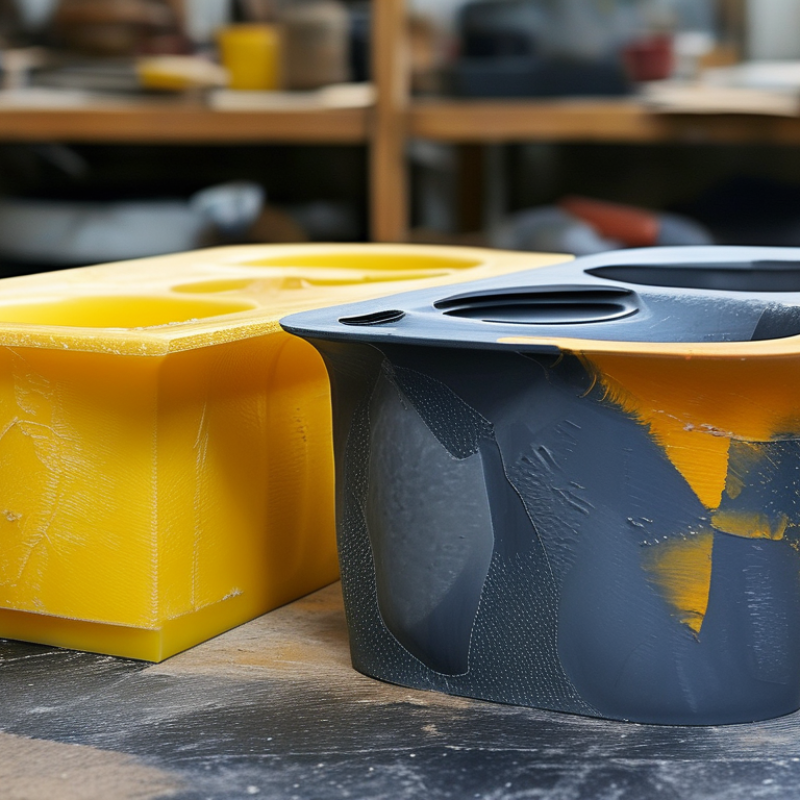
Rotomolding is a unique manufacturing process that offers numerous advantages for custom applications. This method involves heating a thermoplastic resin in a mold. As the mold rotates, the resin conforms to its shape, creating a hollow part. This process allows for the production of large, durable products with a seamless construction.
One of the main benefits of rotomolding is design flexibility. Manufacturers can create intricate shapes and sizes. This becomes crucial for projects that require specific dimensions. Additionally, rotomolding supports various color options, enhancing product aesthetics. The lightweight nature of the final products also contributes to ease of handling and transportation.
On the flip side, it’s essential to consider the limitations. For instance, the initial setup time can be lengthy, delaying the start of production. Moreover, achieving precise tolerances can be challenging, leading to potential revisions in design. Understanding these aspects of rotomolding can help you make informed decisions for your manufacturing needs. It is a balance of creativity, efficiency, and practical constraints that shapes the outcome.
The Advantages of DIY Rotomolding for Custom Projects
DIY rotomolding offers several advantages for custom projects. One major benefit is the ability to control the entire manufacturing process. You can specify materials, colors, and designs to meet your precise needs. This hands-on approach allows for greater creativity and flexibility. Custom molds can be produced quickly, resulting in faster turnaround times.
Another key advantage is cost efficiency. With DIY rotomolding, you can minimize labor expenses and reduce waste. The process is relatively straightforward, enabling smaller businesses to compete with larger manufacturers. However, it’s essential to have the right equipment and knowledge. Mistakes in design or material selection can lead to subpar products. Reflecting on these challenges can help improve future projects.
Quality is also paramount. When you handle the manufacturing yourself, you have a direct impact on the outcome. This ensures that your products maintain high standards. Yet, achieving consistent quality requires practice and attention to detail. Regular evaluation of your processes can enhance reliability. Overall, DIY rotomolding opens opportunities for innovation while challenging you to maintain excellence.
Advantages of DIY Rotomolding for Custom Manufacturing
Essential Materials and Equipment for Rotomolding Success
When considering DIY rotomolding for custom manufacturing, selecting the right materials and equipment is crucial. The process relies on a combination of polymers, primarily polyethylene, and polypropylene, due to their flexibility and durability. According to a report by the American Mold Builders Association, nearly 80% of rotomolded products utilize these materials due to their cost-effectiveness and versatility.
Choosing the proper equipment is equally essential. A rotomolding machine with a dual-arm design offers enhanced efficiency and consistency. This setup allows for simultaneous loading and unloading, which can reduce cycle times significantly. Industry studies suggest that optimizing machinery can lead to a 30% increase in production efficiency, enhancing the overall output quality of rotomolded products.
Despite the advantages, challenges do exist. Maintaining uniform wall thickness can be tricky, especially with complex shapes. A study by the Society of Plastics Engineers emphasizes frequent process adjustments to counter uneven heating. Regular monitoring and calibration of equipment are vital to avoid defects. Investing in quality materials and reliable machines is not just a choice but a necessity for success in DIY rotomolding.
Step-by-Step Guide to the DIY Rotomolding Process
The DIY rotomolding process offers an engaging way to create custom parts. This method allows individuals to produce unique items tailored to their specifications. The process begins by designing a mold that meets your needs. Precision is crucial in this initial step.
Next, gather materials. You'll need a rotomolding machine, plastic resin, and heating equipment. The right choice of materials impacts the final product's quality. Once everything is in place, fill the mold with the resin. Ensure the amount is appropriate for the size of your mold. This phase can be a bit tricky. Over-filling can lead to defects, while under-filling results in incomplete items.
Heating comes after. The mold needs to rotate in a heated chamber to ensure even distribution and thorough melting of the resin. Monitoring the temperature and rotation speed is essential. Each project brings unique challenges, and you might face unexpected issues. Open communication with peers or online communities can provide valuable insights. It’s an evolving process that encourages learning and adaptation.
Common Applications and Industries Benefiting from Rotomolding
Rotomolding is gaining traction in various industries due to its flexibility and cost-effectiveness. This manufacturing process is particularly useful for creating hollow plastic parts. One key application is in the automotive sector. Companies rely on rotomolding for producing lightweight components, which help improve fuel efficiency. For example, fuel tanks crafted through rotomolding are durable and resistant to harsh environments.
Another significant industry is toys and recreational equipment. Rotomolded items like kayaks and playground equipment showcase vibrant colors and can withstand heavy use. Manufacturers appreciate the ability to customize designs easily. However, the process requires careful planning. Oversights in the design phase may lead to flaws in the final product. Attention to detail is crucial to avoid costly mistakes.
Medical equipment is also benefiting from rotomolding. Custom trays and housings are essential for safe and reliable healthcare operations. These parts need to be precise and hygienic. Despite its advantages, some might question the long-term durability of rotomolded items in high-stress environments. Frequent assessments are necessary to ensure quality and performance meet industry standards. This inquiry helps in making informed decisions for future projects.