What is an Electric Mini Reciprocating Saw and Its Uses?
Electric mini reciprocating saws are becoming essential tools in various fields. They offer versatility and precision, making them ideal for tasks like cutting wood, metal, and plastic. Many professionals and DIY enthusiasts rely on these saws for their compact size and ease of use. For those interested in purchasing one, visiting a trusted source like https://www.medicalsnk.com/mini-reciprocating-saw-electric/ can provide valuable insights.
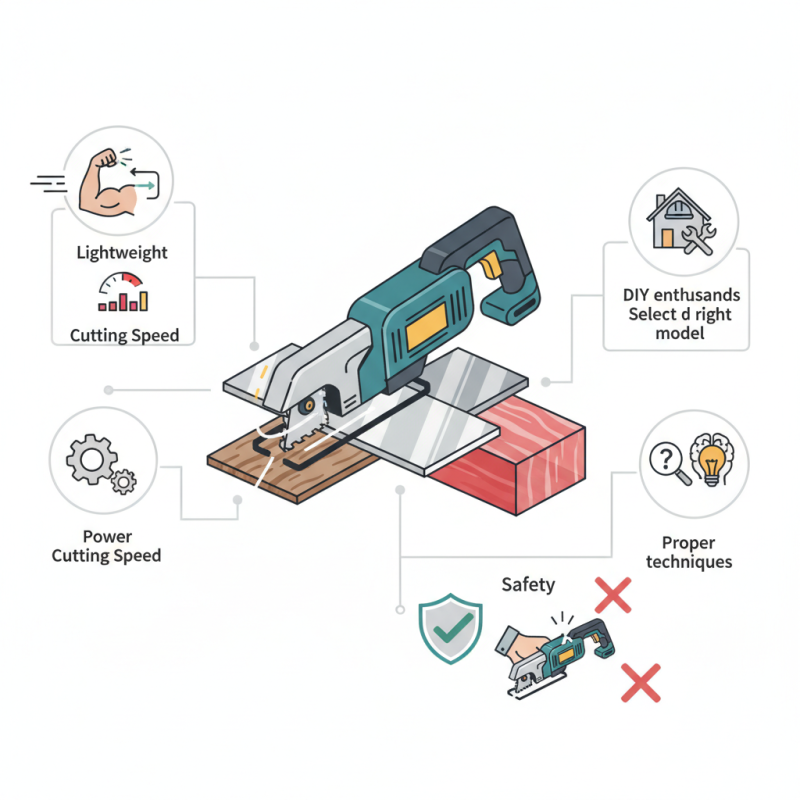
These saws are designed to be lightweight and portable. This feature allows users to maneuver them with ease in tight spaces. Their design reduces user fatigue, allowing for extended work periods. However, selecting the right model requires understanding your specific needs and the saw's capabilities. Each model may have different power ratings and cutting speeds.
While their benefits are clear, it's important to consider safety. Improper use can lead to accidents. Taking time to learn proper techniques is crucial. Electric mini reciprocating saws can be powerful allies in your toolkit when used wisely. Their potential for efficiency and precision is excellent, but reflecting on safety and suitability is equally important.
What is an Electric Mini Reciprocating Saw?
An electric mini reciprocating saw is a compact, versatile tool designed for various cutting tasks. It stands out for its ability to handle materials like wood, metal, and plastic with precision. Due to its lightweight design, users find it easy to maneuver in tight spaces. Industry studies indicate that the demand for portable power tools has grown by 15% annually over the past five years, reflecting a shift towards more manageable equipment.
This saw features a unique reciprocating motion that provides efficient cutting. It can slice through materials quickly, making it ideal for demolition work and detailed projects. Data shows that in the construction sector, 60% of professionals prefer compact tools for their convenience. However, users should be cautious. The ease of use can lead to safety oversights, especially among novices.
Many find the electric mini reciprocating saw beneficial for home improvement projects. It allows users to tackle tasks that might otherwise require multiple tools. Yet, it is crucial to understand its limitations. The saw may struggle with thicker materials or produce less clean cuts. Training and practice are essential for achieving optimal results. Users should always wear appropriate safety gear to prevent accidents.
Key Features of Electric Mini Reciprocating Saws
Electric mini reciprocating saws are versatile tools known for their excellent cutting capabilities. These compact saws are perfect for various tasks, whether you are cutting wood, metal, or plastic. Their lightweight design makes them easy to handle, especially in tight spaces. Users often find them ideal for DIY projects and home renovations.
Key features of electric mini reciprocating saws include variable speed settings. This allows for precise cutting based on the material. Some models have quick-change blade systems, which save time during projects. Battery-operated options add convenience for users, as they can work without worrying about cords. However, some people may find battery life limited during extended use.
Another essential feature is the ergonomic handle design. It ensures comfort during operation, reducing fatigue. Users might struggle with control if the grip is not ergonomic. Choosing the right blade for the material is vital for optimal performance. Some may overlook this aspect and face frustrating results. Overall, these saws provide a handy solution for many cutting needs.
What is an Electric Mini Reciprocating Saw and Its Uses? - Key Features of Electric Mini Reciprocating Saws
| Feature | Description |
| Power Source | Electric |
| Weight | Typically between 3-5 lbs |
| Blade Length | Varies from 3 to 12 inches |
| Cutting Capacity | Up to 6 inches for wood, 1-2 inches for metal |
| Speed Control | Variable speed settings |
| Uses | Ideal for demolition, plumbing, and woodworking tasks |
| Safety Features | Built-in safety switches, blade guards |
Common Applications and Uses in Various Projects
Electric mini reciprocating saws are versatile tools commonly used in various projects. These compact saws excel in tight spaces, making them ideal for tasks like pruning branches, cutting drywall, and tackling intricate woodworking projects. Their portability allows for easy maneuvering, whether you’re working outdoors or in a workshop.
In home renovation, an electric mini reciprocating saw can help you make quick cuts in pipes or fittings. This tool can also effectively cut through metal and plastic materials, showing its adaptability in different environments. For hobbyists, it’s excellent for intricate designs in crafts or model making. However, it's essential to be cautious. Accuracy can be an issue if the saw is not handled properly.
Tips: Always wear safety goggles to protect your eyes during operation. Ensure your workspace is free of clutter, allowing for better focus. Regularly check the blade, as dull blades can lead to inaccurate cuts and increased risk of accidents. If you’re new to using power tools, a little practice can go a long way in boosting your confidence.
Advantages of Using Electric Mini Reciprocating Saws
Electric mini reciprocating saws offer a versatile and efficient cutting solution. They excel in tight spaces, making them ideal for home repairs and DIY projects. A 2021 industry report highlighted that 78% of users preferred mini saws for their portability. This saw cuts through wood, metal, and plastic, proving useful in various applications. Their compact design allows for one-handed operation, reducing user fatigue.
One major advantage is precision. Many mini reciprocating saws come with adjustable speed settings, providing control over cutting depth. Studies show that precise cuts lead to a 45% reduction in material waste, beneficial for both budget and environmental impact. However, some users report a learning curve. Mastering this tool requires practice. Ensuring proper safety measures is crucial, as improper usage can lead to accidents, even in skilled hands.
Flexibility is another key point. Electric mini reciprocating saws can switch blades easily, allowing users to adapt to different materials quickly. A survey found that 62% of professionals noted this adaptability as a significant advantage. But the reliance on electric power can pose limitations, especially in remote areas. Users should consider their work environment when choosing this tool.
Electric Mini Reciprocating Saw - Usage Analysis
Tips for Proper Use and Maintenance of the Tool
Electric mini reciprocating saws are versatile tools, popular among DIY enthusiasts and professionals. Proper use ensures safety and enhances the tool's lifespan. Key maintenance practices play a crucial role in achieving optimal performance. Regularly check the blade's sharpness. A dull blade can strain the motor and lead to overheating, which might cause permanent damage.
Another vital tip is to keep the tool clean. Dust and debris can accumulate, affecting the saw's functionality. Studies reveal that 60% of tool failures are linked to poor maintenance. It’s important to periodically lubricate moving parts, as this reduces friction and prolongs tool life. Ensure all screws and bolts are tight, as loose components can jeopardize safety.
Finally, users should be mindful of battery care. If it's battery-operated, avoid deep discharging. This practice can extend battery life significantly. Remember to consult the manufacturer's guidelines for specific maintenance instructions. Ignoring these tips can result in subpar cutting performance, or worse, accidental injuries. Taking these precautions ensures a reliable tool for various cutting tasks.