What is an Electrical Cabinet and Its Benefits for Businesses?
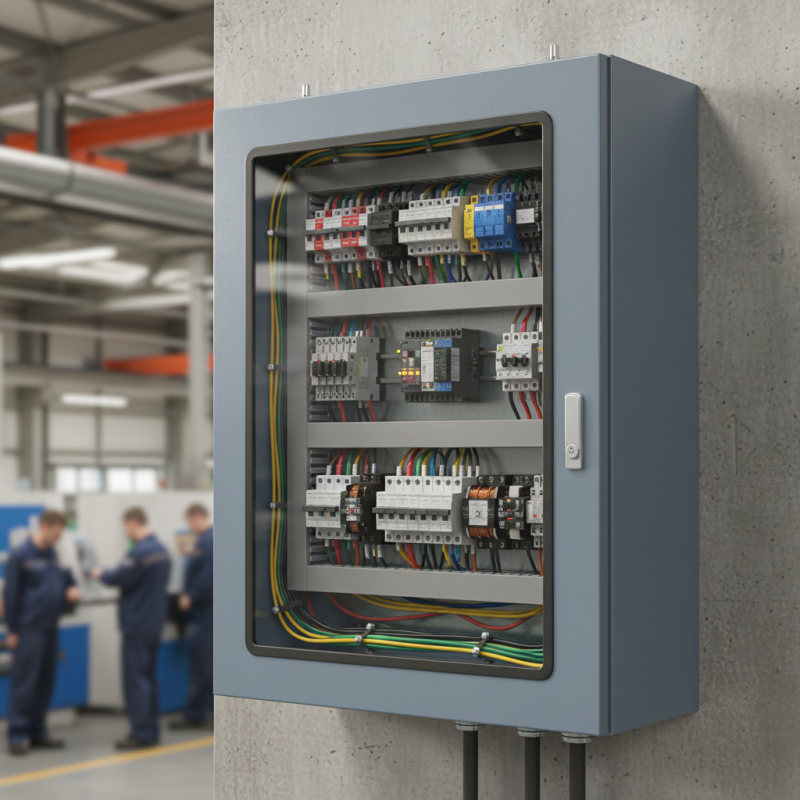
An electrical cabinet is a crucial component in modern business infrastructure. It houses essential electrical equipment, such as circuit breakers, relays, and control systems. According to a recent industry report by Market Research Future, the electrical cabinet market is expected to grow by 6.5% annually over the next five years. This growth highlights the increasing reliance on efficient electrical management in various sectors.
John Carter, a leading expert in electrical engineering, states, “An electrical cabinet is not just a box; it is the backbone of operational efficiency.” His insights underscore the value of these cabinets in ensuring safety and reliability in electrical distribution. Businesses benefit from the protection and organization offered by electrical cabinets, reducing downtime and maintenance costs.
Yet, it is essential to recognize the challenges. Not all electrical cabinets are created equal, and improper installation can lead to safety hazards. Companies must prioritize quality and adherence to standards when choosing an electrical cabinet. Investing wisely is crucial; the benefits must outweigh potential risks.
What is an Electrical Cabinet and Its Core Functions in Industry?
Electrical cabinets play a crucial role in industrial environments. They house electrical components, protecting them from dust, moisture, and physical impact. According to industry reports, over 30% of electrical failures are caused by environmental factors. This highlights the importance of maintaining a secure environment for sensitive equipment.
The core functions of electrical cabinets include power distribution and control. They ensure that electricity reaches various machines safely. Studies show that proper management of electrical systems can increase operational efficiency by up to 15%. Cabinets often contain circuit breakers and relays, which help in preventing overloads and short circuits. This proactive approach can significantly reduce downtime and maintenance costs.
However, not all cabinets are created equal. Many industries still use outdated models that lack proper ventilation and thermal management. This can lead to overheating, which affects equipment performance. Regular inspections and upgrades are vital to ensure functionality. As industries evolve, the need for better designs and materials in electrical cabinets becomes increasingly clear.
Key Components of Electrical Cabinets: Design and Specification Requirements
Electrical cabinets are essential for housing and protecting electrical components. Their design and specifications are critical for functionality and safety. A well-constructed cabinet starts with durable materials, ensuring it can withstand environmental factors. These materials also help in maintaining the equipment's integrity.
Key components include enclosures, mounting brackets, and cooling systems. The enclosure must meet specific standards for protection against dust, moisture, and unauthorized access. Mounting brackets should provide secure support for all components, preventing movement. Cooling systems are vital for managing heat generated by electronic devices. Without proper airflow, equipment can overheat and fail.
Attention to detail in the design phase is important. The layout should allow easy access for maintenance while ensuring safety protocols are followed. However, sometimes companies overlook the significance of adequate space for wiring and airflow. This can lead to future problems and additional costs. Regular reviews and updates to specifications help maintain the cabinet's effectiveness, ensuring it meets emerging industry standards.
Benefits of Electrical Cabinets for Business Efficiency and Safety Standards
Electrical cabinets play a crucial role in enhancing business efficiency and maintaining safety standards. These cabinets house electrical components such as circuit breakers, relays, and controls. By organizing these elements in a compact space, businesses can streamline their operations. A neat electrical setup reduces risks, minimizes downtime, and enhances productivity.
One significant benefit of using electrical cabinets is improved safety. When electrical components are housed securely, the chances of accidental contact and resulting hazards decrease. This organized environment also simplifies maintenance tasks. Technicians can quickly access and troubleshoot issues, which can save valuable time and resources. However, improper installation or neglect can lead to problems. Regular inspections are essential to ensure everything functions correctly.
Moreover, businesses can benefit from energy efficiency through well-managed electrical systems. An organized electrical cabinet allows for better monitoring of energy usage. Companies can identify inefficiencies and make necessary adjustments. Still, reliance on technologies without proper training can lead to oversight. Employees must be educated on the importance of maintaining and utilizing these systems effectively.
Benefits of Electrical Cabinets for Business Efficiency and Safety Standards
The Role of Electrical Cabinets in Reducing Operational Downtime
Electrical cabinets play a critical role in managing electrical systems. They house components like circuit breakers and control panels. This organization protects crucial machinery, reducing the risk of failure. Keeping equipment secure is vital for any business. When systems are protected, the chances of unexpected downtime decrease.
Operational downtime can be costly. It disrupts workflow and leads to lost revenue. A well-organized electrical cabinet can streamline processes. Maintenance becomes easier, with clear access to components. Regular checks allow for early detection of issues. This proactive approach enhances reliability.
However, ⠀not all electrical cabinets are created equal. Some may lack proper ventilation or sufficient space. These flaws can lead to overheating and inefficiency. Businesses must assess their needs carefully. Investing in quality cabinets can significantly reduce problems later on. It is essential to refine designs for optimal performance.
Industry Statistics: Impact of Electrical Cabinets on Equipment Lifespan and Reliability
Electrical cabinets play a crucial role in protecting electrical systems. Industry statistics reveal that these cabinets can significantly extend the lifespan of equipment. A well-designed electrical cabinet provides a controlled environment. This helps manage temperature and humidity, which are key factors in maintaining equipment reliability. Many studies suggest that equipment housed in electrical cabinets experiences less wear and tear.
Moreover, electrical cabinets shield equipment from dust and debris. This reduction in contaminants leads to fewer operational disruptions. Businesses can benefit from increased productivity as equipment downtime decreases. The statistics show a striking correlation between proper enclosures and extended equipment life.
Tip: Regularly inspect your electrical cabinets. Look for signs of wear or damage. This can help prevent costly repairs.
Another benefit is safety. Electrical cabinets ensure compliance with industry standards. They can prevent electrical hazards that cause accidents. A reliable cabinet design includes clear labeling and proper ventilation. These features enhance operational safety.
Tip: Invest in quality cabinets. They may be pricier, but the long-term benefits outweigh initial costs. Quality ensures better performance and reliability over time.