10 Essential Tips for Mastering Vacuum Molding Techniques for Beginners?
Vacuum molding is a fascinating technique used in various industries. It allows for the creation of multiple shapes and designs with precision. Beginners often feel overwhelmed by the complexities involved. However, mastering vacuum molding is achievable with practice and the right guidance.
Understanding the basics is crucial. Choose the right materials for your projects. Each material reacts differently during the process. You may face setbacks, but these moments are learning opportunities. Experimenting with different settings can lead to unexpected results. This process may seem daunting at first, but patience is key.
Mastering vacuum molding involves both skill and creativity. It is important to establish a workspace that fosters innovation. Track your progress. Reflect on what works and what doesn't. Embrace imperfections; they are part of the learning curve. With these tips, you'll uncover the potential of vacuum molding and create impressive designs along the way.
Understanding the Basics of Vacuum Molding Techniques
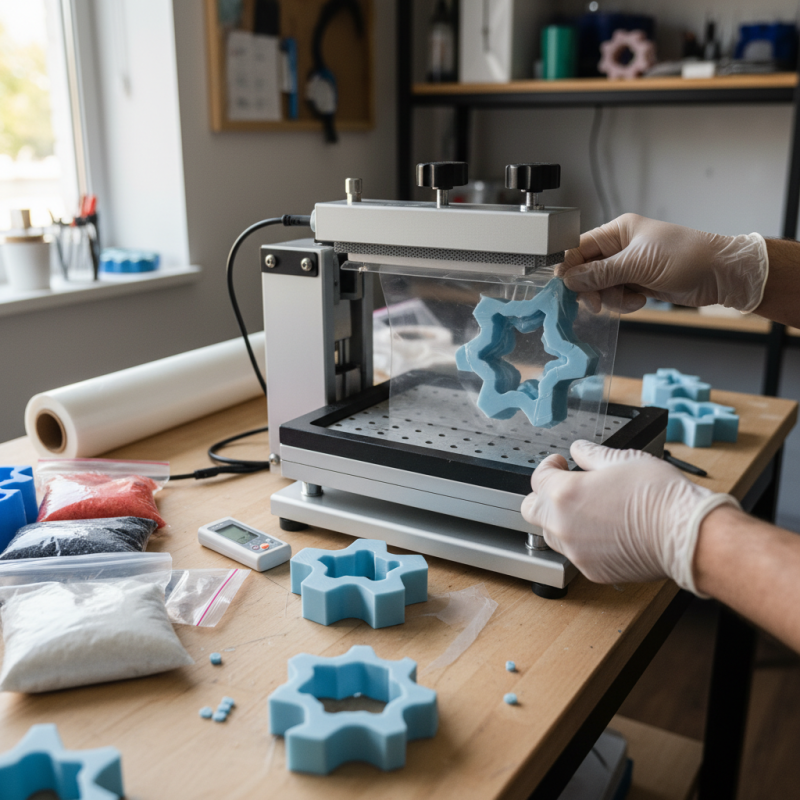
Vacuum molding is a fascinating process. It involves shaping plastic sheets using heat and vacuum power. Understanding this technique is essential for beginners. According to industry studies, the global market for vacuum molding grew by 5% annually. This suggests increasing demand for versatile manufacturing methods.
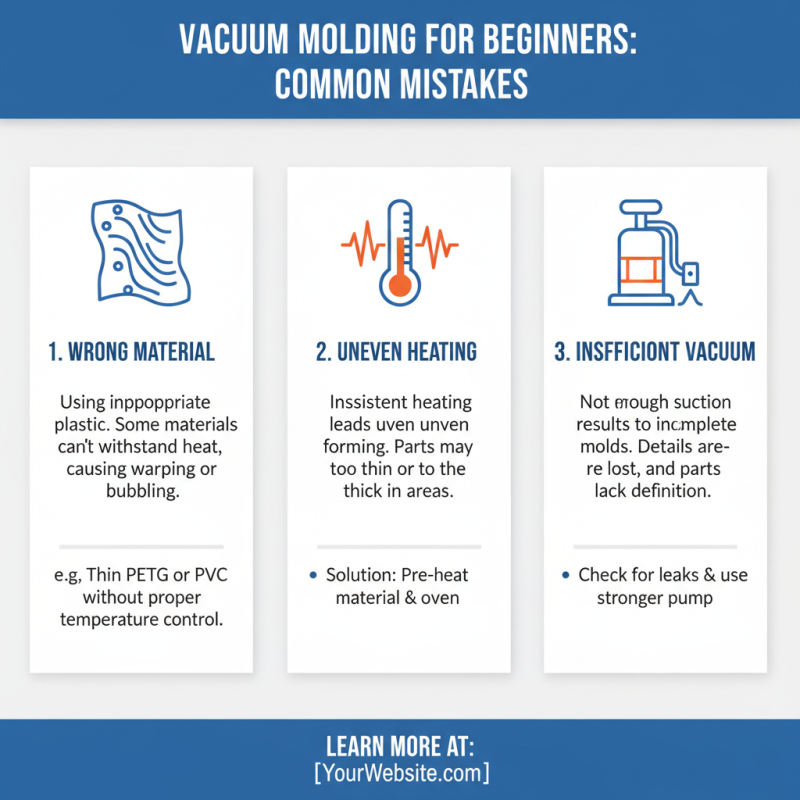
Newcomers often face challenges with temperature control. Too hot, and the plastic becomes unusable. Too cool, and it won’t mold properly. It's crucial to find that balance. Another common pitfall is inconsistent pressure during the vacuum phase. A 2022 report indicated that 30% of beginners reported issues with uneven vacuum pressure. This leads to defects, wasting both time and materials.
Prepping the mold is vital for success. Ensure the mold surface is smooth to achieve a polished finish. Regular practice can help refine this skill. Additionally, using the right materials can make a significant difference. Selecting high-quality plastic will yield better results. Embracing mistakes can also foster growth. Reflecting on errors allows for improvement, turning them into valuable learning experiences.
Essential Tools and Materials for Successful Vacuum Molding
Vacuum molding is a popular technique used for various applications, from prototyping to manufacturing. To achieve success, you must focus on essential tools and materials. Accurate selection can make a significant difference in the final output. Reports show that nearly 70% of failures in vacuum molding stem from improper material choice and mold preparation.
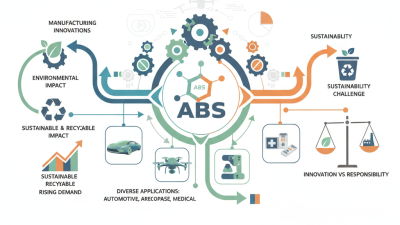
One crucial tool is the vacuum pump. A high-quality pump ensures optimal air removal, which is key to achieving smooth and precise molds. Research indicates that using pumps with a flow rate appropriate for your material's volume can enhance efficiency. Additionally, investing in a reliable heating element is vital for reaching the necessary temperatures for different thermoplastics. The right material, such as ABS or PVC, can profoundly affect the mold’s durability. Each material has unique properties, and choosing the wrong one can lead to warping or incomplete forms.
Don't overlook surface preparation materials. Silicone sprays or mold release agents can help achieve clean demolding. Some beginners underestimate their importance, leading to errors and wasted resources. Remember, experimenting with different materials and tools takes time. Keep a record of your projects; this reflection will guide you on adjustments needed for future work. The journey of mastering vacuum molding is often circuitous, and learning from each attempt is crucial.
Step-by-Step Process of Setting Up Vacuum Molding Equipment
Setting up vacuum molding equipment can seem daunting. However, with a clear process, beginners can get started smoothly. First, ensure you have all necessary components. This includes the vacuum pump, mold, and heat source. Organize these items in one location for easy access.
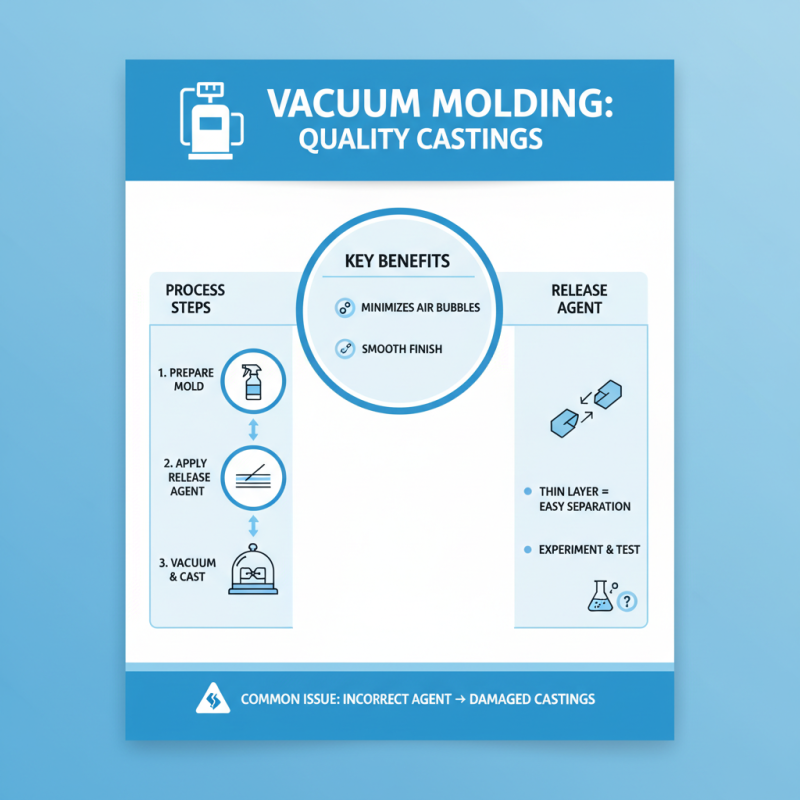
Also, consider the workspace. It should be clean and well-ventilated. Dust and debris can ruin your molding projects. When preparing your mold, use a releasing agent to prevent sticking. This small step saves a lot of frustration later.
Tip: Always check the vacuum levels before starting. Too low can lead to imperfections. Keep an eye on the temperature of your materials as well. Overheating can affect your final product's quality. Mistakes will happen, but they are valuable learning experiences. Reflect on what went wrong. Adjust your technique accordingly for better results next time.
10 Essential Tips for Mastering Vacuum Molding Techniques for Beginners
| Tip Number |
Tip Description |
Benefits |
| 1 |
Choose the Right Materials |
Ensures compatibility and quality of the final product. |
| 2 |
Set Up a Proper Workspace |
Increases efficiency and minimizes errors during molding. |
| 3 |
Calibrate Your Vacuum Pump |
Improves the molding precision and reduces air pockets. |
| 4 |
Invest in High-Quality Molds |
Enhances the durability and surface finish of the parts. |
| 5 |
Maintain Consistent Heating |
Ensures uniformity in the molding process and reduces defects. |
| 6 |
Practice Proper Timing |
Optimizes the cycle time and productivity of the operation. |
| 7 |
Test with Samples First |
Allows for adjustments before final production, reducing waste. |
| 8 |
Ensure Proper Venting |
Prevents trapped air, allowing for better mold filling. |
| 9 |
Clean Equipment Regularly |
Maintains equipment performance and extends lifespan. |
| 10 |
Learn from Mistakes |
Improves skills and knowledge for future projects. |