Best Galvanized Coil Applications and Benefits Explained?
In the world of construction and manufacturing, "Galvanized Coil" plays a crucial role. Dr. John Smith, a leading expert in metal coatings, once said, "Galvanized coils provide essential protection against corrosion." This insight highlights the significance of using galvanized coils.
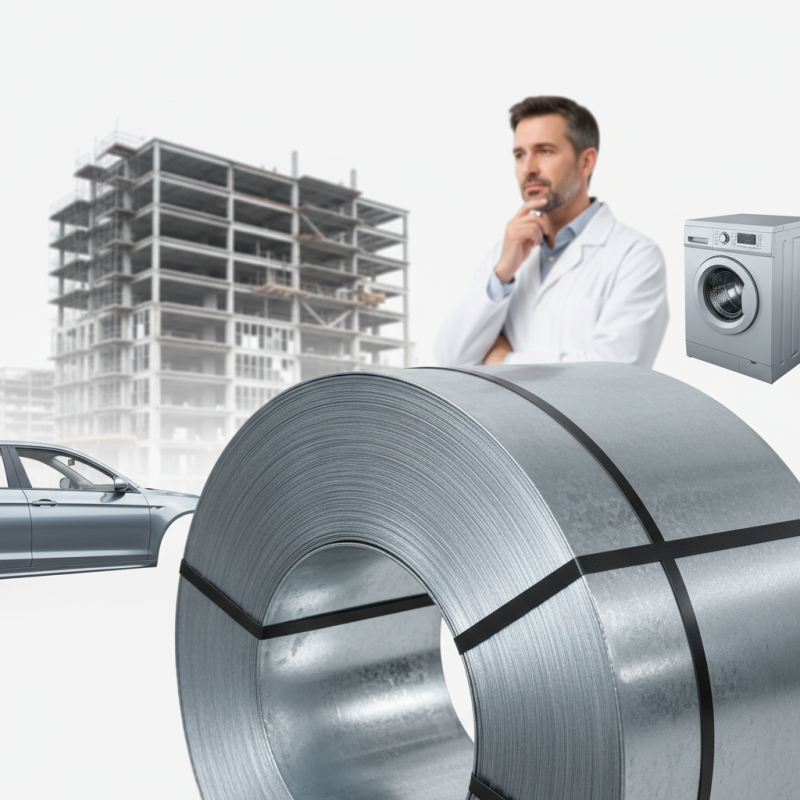
These coils are essential for roofing, automotive parts, and appliances. Their ability to resist rust ensures durability and longevity. However, not all applications utilize them effectively. Some industries may overlook the potential benefits, leading to increased maintenance costs and reduced efficiency.
Understanding the diverse applications of galvanized coils is vital. From structural components to decorative finishes, these materials offer various advantages. They promote sustainability and reduce waste. Yet, there’s a need for continuous innovation to maximize their benefits. Exploring new applications and technologies can lead to more efficient use of galvanized coils in the future.
Introduction to Galvanized Coils and Their Manufacturing Process
Galvanized coils are essential in modern manufacturing. They are made by coating steel with a layer of zinc. This process helps prevent rust and corrosion. Initially, steel coils are cleaned in a pickling solution. Then, they are dipped into molten zinc. The process can be complex and requires precision.
The benefits of galvanized coils are numerous. They are widely used in construction, automotive, and appliance industries. According to a recent industry report, the global market for galvanized steel is expected to grow by 5% annually. Their durability is impressive, but there may be hidden challenges. For example, coating thickness can vary. This inconsistency can lead to performance issues.
Designers and engineers often face dilemmas. They must balance cost and quality. The long-term benefits of using galvanized coils can outweigh higher initial prices. Yet, some manufacturers may compromise on quality to save costs. This could lead to premature failure and increased maintenance. Overall, understanding the manufacturing process is key to optimizing the use of galvanized coils.
Key Industrial and Commercial Applications of Galvanized Coils
Galvanized coils have significant roles in both industrial and commercial sectors. These coils, treated with a protective zinc coating, resist rust and corrosion effectively. Industries such as construction, automotive, and agriculture frequently utilize galvanized coils due to their durability. According to a recent market report by Technavio, the global galvanized steel market is projected to grow by 4% annually. This growth highlights the increasing reliance on these materials.
In construction, galvanized coils are used for roofing and siding. Their ability to withstand weather variations makes them a preferred choice. The automotive industry benefits from galvanized coils in manufacturing car body parts. The zinc layer enhances longevity, reducing maintenance costs. A study from the International Journal of Structural Engineering showed that galvanized coatings can extend the lifespan of structures by up to 50%.
Tips: When selecting galvanized coils, consider the intended application. Understand the specific conditions they'll face. Simple alterations in zinc thickness can impact performance significantly. Moreover, engage with experts to ensure choices align with project needs. Remember, while galvanized materials offer durability, they also require attention to environmental factors. Over time, even the best-coated coils can face wear. Regular inspections are vital to maintain integrity.
Advantages of Using Galvanized Coils in Construction and Automotive Industries
Galvanized coils are widely used in construction and automotive industries. The process of galvanization involves coating steel with zinc. This method protects against corrosion. According to a report by the World Steel Association, the global demand for galvanized steel sheets is projected to reach 60 million tons by 2025. This growth reflects their increasing relevance in various sectors.
In construction, galvanized coils are employed for roofing, walls, and structural elements. They provide excellent durability and resistance to harsh weather. Reports indicate that buildings using galvanized materials can last 50% longer due to reduced rust and decay. However, there are ongoing debates about the environmental impact of zinc extraction. It’s essential to balance durability and sustainability.
The automotive industry also benefits significantly from galvanized coils. They enhance vehicle longevity by resisting rust. Statistics from the Automotive Industry Association show that vehicles with galvanized parts have a 30% lower rate of corrosion-related failures. However, the recycling process for galvanized materials poses challenges. Finding effective methods for recycling while maintaining quality is still a concern. Overall, galvanized coils continue to play a vital role in these industries, despite some unresolved issues.
Environmental and Economic Benefits of Galvanized Coil Usage
Galvanized coils are widely praised for their durability. They are coated with zinc to prevent rust and corrosion. This feature is especially beneficial in harsh environments. The longevity of galvanized coils reduces the need for frequent replacements. Less waste means a smaller environmental footprint.
Using galvanized coils also makes economic sense. They often lower maintenance costs. Fewer repairs and replacements translate to savings over time. However, one must consider initial costs. The upfront expense can be higher than non-coated metals. In some cases, choosing galvanized materials can be overlooked for cheaper options.
Environmental benefits extend beyond their lifespan. Galvanized materials are recyclable, which supports a circular economy. Recycling reduces energy consumption compared to producing new materials. Yet, not all regions have efficient recycling processes. This poses a challenge for achieving optimal eco-friendliness. Proper management is crucial to maximize these advantages.
Considerations for Selecting and Maintaining Galvanized Coils in Various Applications
When selecting galvanized coils, consider your application's specific needs. Galvanized coils are widely used in construction, automotive, and appliance industries due to their excellent corrosion resistance. According to industry reports, about 75% of steel applied in construction benefits from galvanization. This process helps maintain structural integrity over time.
Regular maintenance of galvanized coils is crucial. Factors like climatic conditions and exposure to harsh substances can affect their longevity. Inspect coils often for rust or damage, especially in coastal areas. Adopting preventive measures can significantly extend their service life.
Tip: Store galvanized coils in dry environments. Moisture encourages corrosion, which can compromise their effectiveness.
Also, the thickness of the zinc coating is important. A heavier coating generally offers better protection but can increase costs. Weigh the benefits carefully. Sometimes, lighter coatings may suffice for less demanding environments. This balance requires thoughtful consideration.
Applications and Benefits of Galvanized Coils