What is HDPE Material and Its Applications?
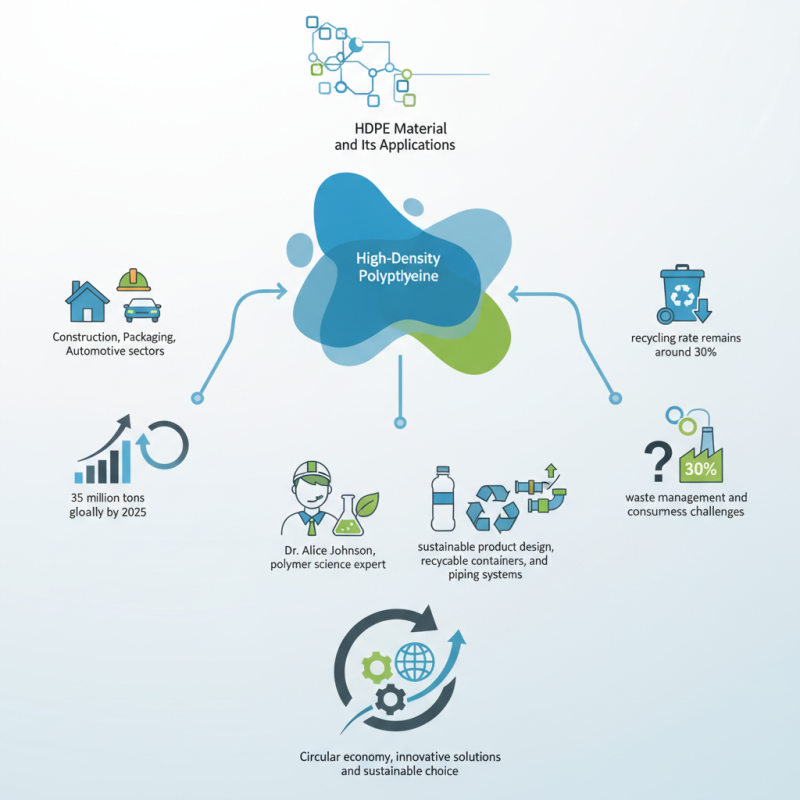
High-Density Polyethylene (HDPE) material has become increasingly vital across various industries. This versatile thermoplastic is renowned for its strength, durability, and resistance to impact and chemicals. According to the Plastics Industry Association, the demand for HDPE is expected to reach 35 million tons globally by 2025. The construction, packaging, and automotive sectors are leading the way in utilizing HDPE due to its impressive properties.
Dr. Alice Johnson, a leading expert in polymer science, emphasizes the importance of HDPE material. She states, "HDPE is crucial for sustainable product design and innovation.” Its roles range from recyclable containers to piping systems, demonstrating its flexibility. However, despite its advantages, the recycling rate for HDPE remains around 30% in many regions, raising questions about sustainability practices.
The applications of HDPE material are expanding rapidly. Yet, challenges persist in waste management and consumer awareness. Addressing these issues is critical for maximizing HDPE’s potential in a circular economy. Firms must adapt innovative solutions to enhance recycling and utilization rates, ensuring HDPE is more than just a robust material but also a sustainable choice.
What is HDPE Material?
HDPE, or high-density polyethylene, is a versatile thermoplastic. It is made from petroleum, which gives it strong, durable properties. HDPE is known for its high resistance to impact and moisture. This makes it ideal for various applications. It can be found in everything from plastic bottles to durable outdoor furniture.
In construction, HDPE is a popular choice for piping systems due to its strength and chemical resistance. It is also used in geomembranes for landfills, providing a barrier against contamination. The material is lightweight yet sturdy, contributing to its appeal. However, creating HDPE products can lead to environmental concerns. The production process consumes energy and generates waste. While HDPE can be recycled, the rate of recycling varies widely.
Despite its advantages, there are drawbacks to consider. HDPE's brittleness at low temperatures can limit its usage. It may not be suitable for all climates. Additionally, the reliance on fossil fuels for production raises sustainability questions. These factors encourage a broader discussion about material choices in design and manufacturing.
Applications of HDPE Material
Properties and Characteristics of HDPE
High-Density Polyethylene (HDPE) is renowned for its unique properties. This thermoplastic polymer is highly resistant to impact and can sustain various temperatures. According to a report from MarketsandMarkets, the global HDPE market is projected to reach $74.5 billion by 2025, highlighting its growing importance in various sectors.
One of HDPE's outstanding characteristics is its chemical resistance. It can withstand harsh environmental conditions, making it ideal for outdoor applications. This material also demonstrates minimal moisture absorption, which contributes to its durability. However, the manufacturing process does have limitations. For example, not all grades are suitable for every application, leading to potential waste.
The tensile strength of HDPE is another key feature. It typically ranges from 3,800 to 6,800 psi, allowing it to endure heavy loads. Despite its strengths, there are concerns about its recyclability. While HDPE can be recycled, not all facilities are equipped to handle it. This presents challenges for sustainability efforts in the industry. Therefore, while HDPE offers impressive properties, ongoing evaluation is necessary for its adequate application and environmental impact.
What is HDPE Material and Its Applications? - Properties and Characteristics of HDPE
| Property/Characteristic |
Description |
| Material Type |
High-Density Polyethylene (HDPE) |
| Density |
0.93 to 0.97 g/cm³ |
| Melting Point |
120 to 130 °C |
| Chemical Resistance |
Highly resistant to acids, bases, and alcohols |
| UV Resistance |
Good UV resistance with added stabilizers |
| Applications |
Piping, containers, plastic bottles, and geomembranes |
| Recyclability |
Easily recyclable, designated with the recycling code "2" |
| Impact Resistance |
Excellent impact resistance, even at low temperatures |
| Cost |
Affordable material compared to other plastics |
Common Applications of HDPE in Various Industries
High-density polyethylene, or HDPE, is a versatile material. Its strength, durability, and chemical resistance make it popular in various applications. Many industries utilize HDPE for its reliability. However, there are some limitations to consider.
In the packaging industry, HDPE is widely used. Many containers, bottles, and bags are made from this material. Its lightweight nature helps reduce shipping costs. Yet, not all products are suitable for HDPE packaging. Some need stronger materials, which can lead to waste.
The construction industry also leverages HDPE. It's often used in piping systems and geomembranes. These applications demonstrate HDPE's resistance to corrosion and wear. However, installation can sometimes be tricky. Proper training is needed, and mistakes can be costly. Despite its benefits, companies must be careful when choosing HDPE for critical applications.
Advantages of Using HDPE in Manufacturing
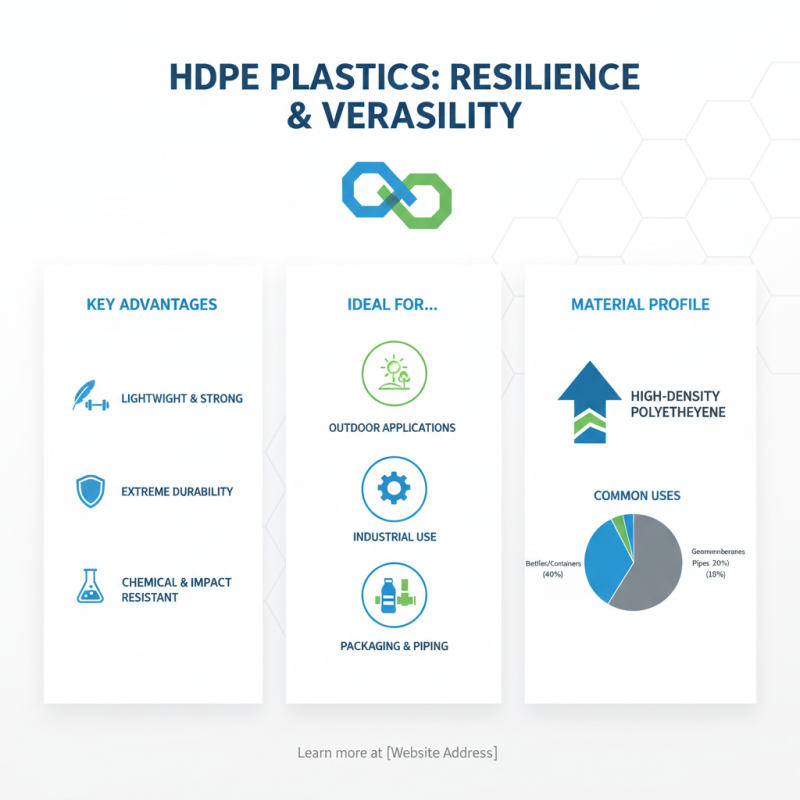
HDPE, or high-density polyethylene, is a widely used plastic known for its resilience. The advantages of using HDPE in manufacturing are considerable. It is lightweight yet very strong. This durability means it can withstand harsh conditions, making it perfect for outdoor applications. Many industries appreciate its resistance to impact and chemicals.
Additionally, HDPE is recyclable, which adds to its appeal in today's eco-conscious environment. It reduces waste and promotes sustainability. However, some worry about how well this material degrades over time. While it does last long, improper disposal methods can lead to environmental concerns. Choices in using HDPE should consider both its benefits and its ecological footprint.
Another noteworthy aspect is its versatility. HDPE is used in various products, from bottles to pipes. Builders and manufacturers often choose it for its flexibility in design. Still, the production process can be energy-intensive, raising questions about its overall impact. It’s crucial to balance the advantages with potential drawbacks when integrating HDPE into modern manufacturing.
Environmental Impact and Recycling of HDPE
HDPE, or high-density polyethylene, is a versatile plastic widely used in various applications. However, its environmental impact is a serious concern. When disposed of improperly, HDPE can persist for hundreds of years in landfills. This long degradation period can harm ecosystems and wildlife.
Recycling is a crucial aspect of managing HDPE waste. Fortunately, this material is highly recyclable. It can be processed into new products, reducing the need for virgin materials. Many local recycling programs accept HDPE containers. This is a positive development, yet not all consumers participate. Some still ignore recycling guidelines and discard items improperly.
Despite its recycling potential, challenges remain. Contamination of HDPE waste can complicate the recycling process. Items that are not clean or mixed with other plastics can hinder efficient recycling. Awareness and education about proper disposal methods are vital. Encouraging responsible consumer behavior can help mitigate environmental damage. By focusing on recycling, we can improve HDPE's sustainability and reduce its negative impact.