Heavy Plastic Sheeting Uses and Benefits for Homeowners?
Heavy plastic sheeting is a versatile material for homeowners. According to Tom Reynolds, a renowned expert in the field, “heavy plastic sheeting is the unsung hero of home improvement.” Homeowners can leverage this material for various purposes.
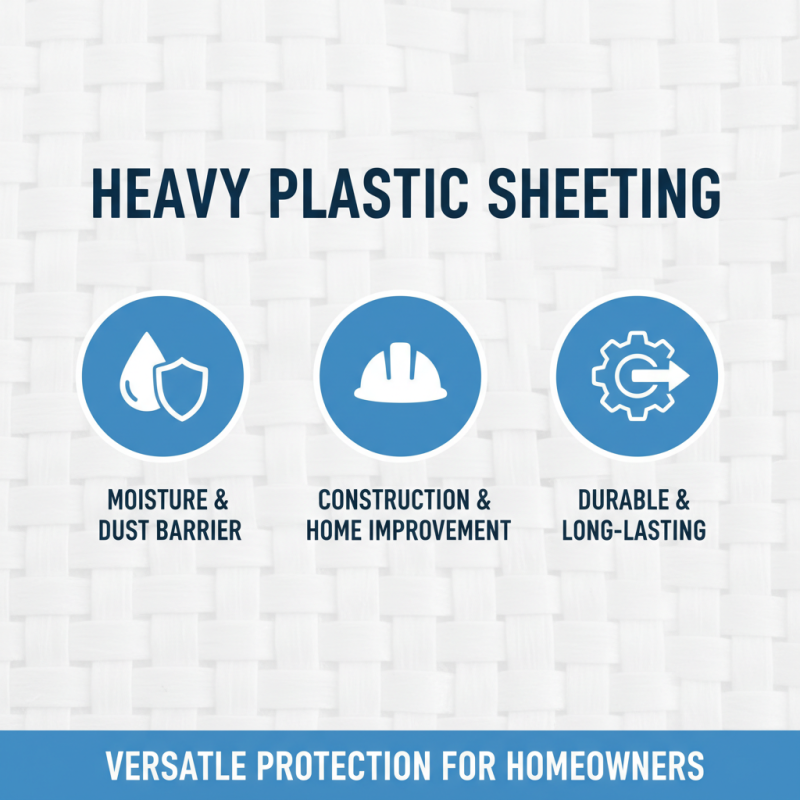
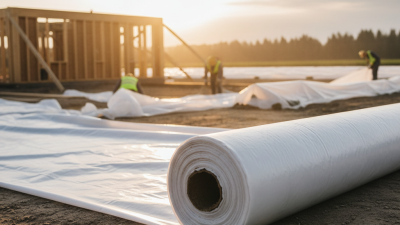
One common use is in construction. Heavy plastic sheeting acts as a barrier against moisture and dust. Many people do not realize its effectiveness in preventing mold growth. This barrier is crucial during renovations or in basements. The applications extend beyond construction, as it can be utilized for outdoor projects. Creating temporary greenhouses is one popular option.
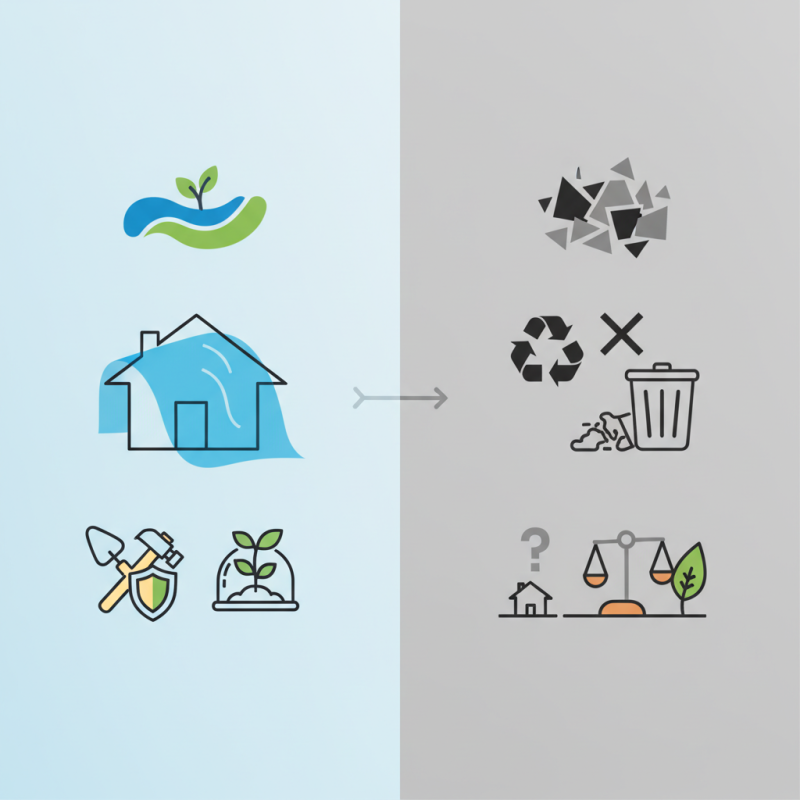
Despite the benefits, some homeowners overlook heavy plastic sheeting. Concerns about environmental impact often arise. Many sheets are made from materials that are difficult to recycle. This is a challenge that needs addressing. However, the short-term benefits for home protection and preservation are significant. Each homeowner must weigh their options responsibly.
Heavy Plastic Sheeting: Definition and Types
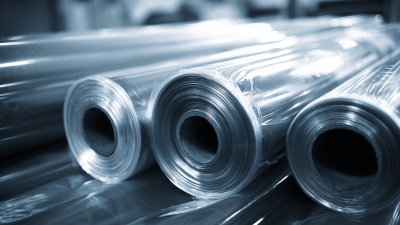
Heavy plastic sheeting is a versatile material that serves various purposes for homeowners. It is often used in both construction and home improvement projects. This type of sheeting is typically thicker than standard plastic. It can provide excellent protection against moisture, dust, and debris. The material is also durable, making it suitable for long-term use.
There are several types of heavy plastic sheeting available. Some are clear while others are tinted or opaque. The clear sheeting allows light to pass through, which is useful for greenhouses. Opaque sheeting can block sunlight and is often used for insulation. Some types are reinforced, providing added strength for heavy-duty applications. It’s important to select the right type for your specific needs.
While heavy plastic sheeting is highly functional, it isn’t flawless. Some homeowners may struggle with installation, especially if the area is large. It can also tear if not handled carefully. Additionally, using the wrong thickness can lead to ineffective moisture control. Reflecting on these issues can help ensure better results in your projects.
Common Applications of Heavy Plastic Sheeting in Home Projects
Heavy plastic sheeting is a versatile tool for homeowners. It can be used for various projects around the house, enhancing protection and efficiency. One common application is during painting. Placing plastic sheeting on floors and furniture keeps them safe from spills. It also helps contain dust when sanding walls. This method is practical, but it may not catch every droplet, so caution is needed.
Another use is during home renovations. Heavy plastic sheeting can create a barrier against dust and debris. When installing new flooring or doing drywall work, this sheeting is invaluable. It protects other areas in the house from contamination. However, be aware that tape may not stick well to certain surfaces, causing gaps. This could lead to increased dust exposure.
For gardening projects, heavy plastic sheeting simplifies tasks. It can line garden beds, keeping weeds at bay while retaining moisture. This helps create a controlled environment for plants. But, using it in hot weather can overheat soil. Hence, checking temperatures is essential. Heavy plastic sheeting has many benefits, yet mindful application is key.
Heavy Plastic Sheeting Applications for Homeowners
Benefits of Using Heavy Plastic Sheeting for Homeowners
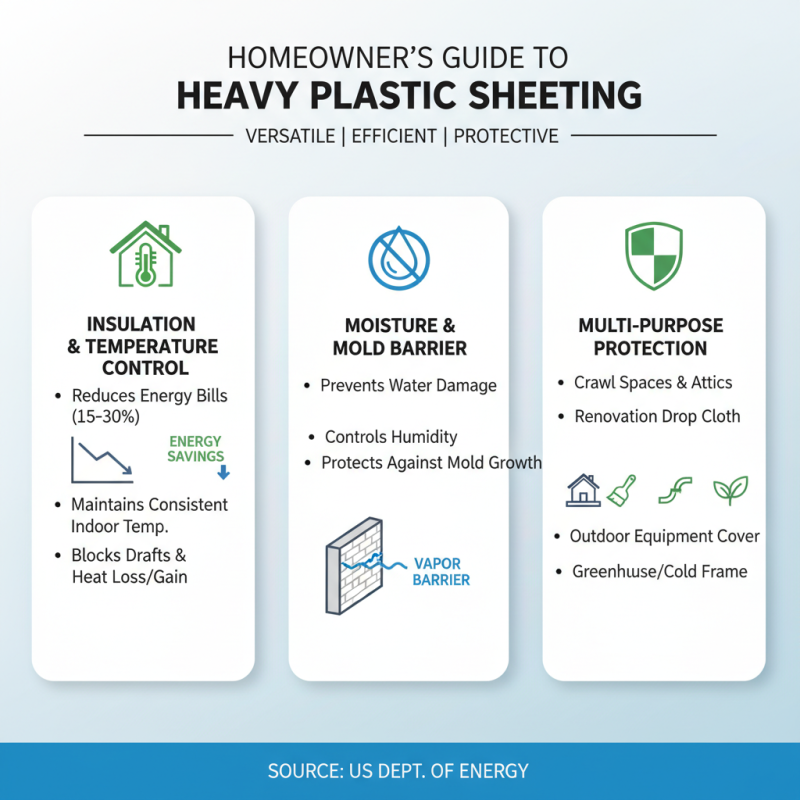
Heavy plastic sheeting is increasingly favored by homeowners for various applications. Its versatility allows it to be used in everything from insulation to moisture control. A study by the U.S. Department of Energy shows that proper insulation can reduce energy bills by 15-30%. Heavy plastic sheeting acts as a barrier, helping to maintain a consistent indoor temperature.
Moisture retention is a significant concern in many homes. Heavy plastic sheeting provides a solution for damp areas, preventing mold and mildew growth. According to the Environmental Protection Agency, mold can trigger health issues in up to 20% of people. By using this sheeting, homeowners can protect their health and property value while ensuring a safer environment.
However, it's essential to consider the usage of heavy plastic sheeting carefully. Installing it incorrectly can trap moisture, leading to unwanted consequences. Homeowners must weigh the benefits against the potential risks. Regular inspections and maintenance can mitigate these issues, ensuring that the sheeting effectively serves its purpose.
Tips for Proper Installation and Maintenance of Plastic Sheeting
When it comes to installing heavy plastic sheeting, preparation is key. Start by clearing the area where you plan to apply the sheeting. Make sure the surface is dry and free from sharp objects. This helps in preventing tears or damage later. Clean the area thoroughly. Dust and debris can hinder adhesion, so it’s worth the effort to get it right. Use a utility knife for precise cutting. Measure accurately to avoid unnecessary waste.
Once in place, it's crucial to seal the edges properly. Consider using strong adhesive tape for this purpose. This step is often overlooked, but gaps can lead to air leaks. If you are using plastic sheeting for moisture control, ensure it covers the entire area. Take the time to smooth out any wrinkles; they can lead to mold growth. Regular checks are essential to maintain its integrity. Inspect it bi-annually for signs of wear or damage. If you notice any, replace the damaged sections promptly to avoid larger problems. This proactive approach can save you money and home repairs down the line.
Safety Considerations When Working with Heavy Plastic Sheeting
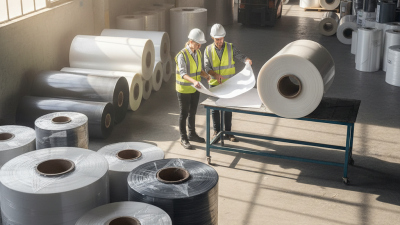
When working with heavy plastic sheeting, safety is crucial. It can be unwieldy and challenging to manage. Protect yourself from sharp edges and heavy rolls. Always wear protective gloves when handling the material. Safety goggles can prevent accidents while cutting or installing. Ensure your workspace is well-organized to avoid tripping hazards.
Heavy plastic sheeting can be slippery. This could lead to falls, especially in wet conditions. Use a non-slip surface when working indoors or outdoors. Make sure your ladder is stable when reaching high areas. Consider having a partner assist you with large sheets. Teamwork can make the job easier and safer.
Tips: Always inspect the plastic sheeting before use. Look for tears or weaknesses. A small defect can impact performance. When storing the sheeting, keep it in a safe place. Avoid stacking heavy items on top. This prevents damage and ensures longevity.