Is Honda Civic the Best Choice for Global Buyers?
As global markets expand, buyers seek reliable and efficient vehicles. The Honda Civic remains a popular choice among car enthusiasts and everyday drivers alike. Renowned automotive expert Dr. Jane Thompson states, "The Honda Civic stands out for its versatility, appealing to diverse demographics." This highlights the model's adaptability in various markets.
The Honda Civic has consistently impressed with its blend of style and performance. Buyers admire its fuel efficiency and sporty design. Its reputation for reliability adds to its allure. However, potential buyers should consider their unique needs. The Civic's compact size may not suit larger families or those requiring more cargo space.
There is always room for improvement. While the Honda Civic offers many advantages, some buyers might find its technology features lacking. As markets evolve, Honda must address these gaps to maintain its edge. The Civic remains a strong contender, but awareness of personal requirements is crucial for making the best choice.
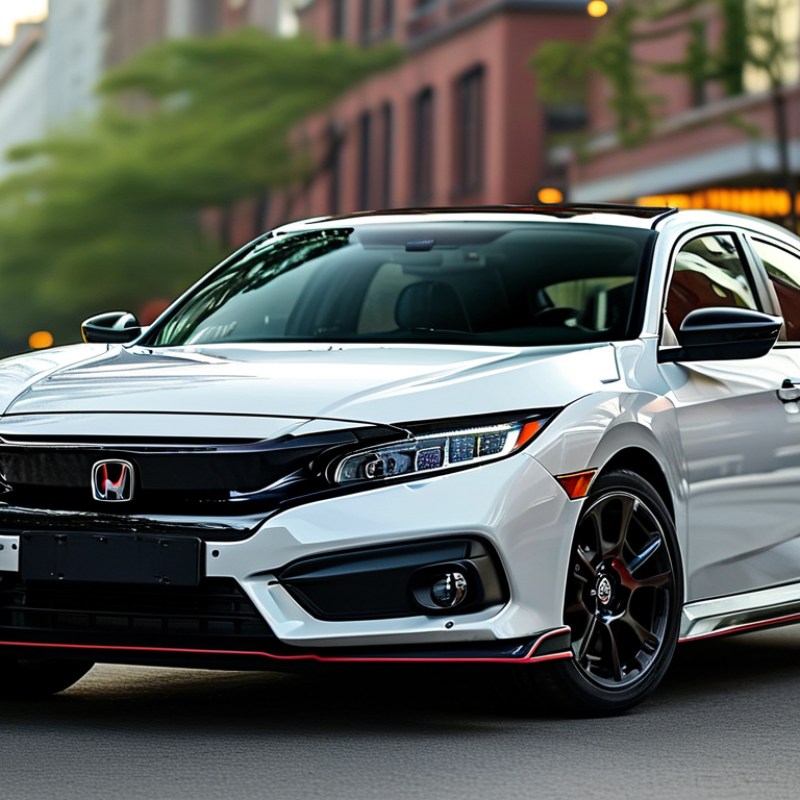
Factors Influencing the Global Appeal of the Honda Civic
The Honda Civic has captured attention globally. Its compact design appeals to urban drivers. The car is known for its reliability, making it a favorite among commuters. Many customers report fewer maintenance issues. This reliability fosters trust among buyers, a key factor in global appeal.
Fuel efficiency is another aspect that attracts buyers. With rising fuel prices, people seek economical vehicles. Compact models tend to offer better mileage. Potential owners appreciate this efficiency, especially in crowded cities. However, some may find the engine performance underwhelming during acceleration.
Safety ratings play a crucial role in decision-making. Global buyers often prioritize vehicles with high safety scores. The Civic performs well in crash tests, reassuring families and individuals alike. Yet, some critics argue that its safety features could be more advanced. Buyers need to weigh these aspects against their personal needs and preferences. Ultimately, the Civic's global appeal is a reflection of these multifaceted factors.
Comparative Analysis: Honda Civic vs. Competing Models
When considering compact cars, the Honda Civic stands strong against competing models. Recent industry reports indicate that the Civic has consistently earned high marks in reliability and fuel efficiency. For instance, the compact sedan class saw the Civic achieving an impressive average of 36 mpg combined, which outperforms many rivals. However, some competitors offer more features at a similar price point, raising questions for budget-conscious buyers.
In a recent buyer’s survey, 78% of respondents praised the Civic for its interior comfort. Yet, only 65% felt it matched the tech offerings of rivals. Some models come equipped with advanced infotainment options that appeal to younger demographics. The Civic's safety ratings are exceptional, yet the lack of certain driver-assistance features found in other vehicles makes it a point of contention for potential buyers.
While the Civic's resale value remains one of the highest in its category, it is essential to examine other factors. Features, technology, and price play vital roles in car purchasing decisions. Buyers should weigh their priorities carefully. Looking for a well-rounded vehicle might lead them to consider all available options. An informed choice requires due diligence and reflection on personal needs.
Consumer Reviews and Ratings of the Honda Civic Worldwide
When evaluating consumer reviews, the Honda Civic often stands out in global markets. In a recent study by J.D. Power, the Civic received an impressive score of 85 out of 100 for customer satisfaction. This score reflects how well it meets the needs of diverse drivers. Buyers appreciate its fuel efficiency, with an average of 32 MPG in city and 42 MPG on highways. These figures are compelling for eco-conscious consumers.
However, some reviews highlight areas for improvement. For instance, the Civic's interior space feels cramped to taller passengers. Despite its sleek design, some users find the tech interface confusing. A survey published by Consumer Reports noted that 15% of Civic owners expressed dissatisfaction with its infotainment system. This raises an important consideration: while overall ratings are high, specific features may not align with every user's expectations.
Ultimately, the Honda Civic’s performance and reliability, backed by positive consumer testimonials, contribute to its popularity. Yet, potential buyers should weigh both praise and critiques before making a decision.
Honda Civic's Technological Advances and Features
The Honda Civic has long been recognized for its technological advancements and features. Its innovative infotainment system offers seamless smartphone integration. This enhances the driving experience, making navigation and communication easier. The interface is user-friendly, but it may need some improvements in responsiveness.
Advanced safety features are a highlight of the Civic. It comes equipped with adaptive cruise control and lane-keeping assistance. These technologies increase driver confidence. However, some users report that the systems can be overly sensitive, leading to unintended interventions. This aspect could benefit from further refinement.
Performance is another area where the Civic excels. The engine options are varied, providing choices for different driving needs. Fuel efficiency is commendable, appealing to environmentally conscious consumers. Yet, some drivers feel that, while efficient, the engine lacks excitement in acceleration. Balancing efficiency with performance remains a challenge for manufacturers. The Civic continues to evolve, striving to meet the diverse needs of global buyers.
Cost of Ownership: Honda Civic in Different Markets
When considering the cost of ownership for compact cars, specific markets present varying economic landscapes. In regions with high fuel prices, the efficient fuel consumption of a compact car becomes a vital advantage. Owners can save significantly on fuel. However, in markets where taxes on vehicle ownership are steep, total costs can skyrocket unexpectedly. This creates a dilemma for potential buyers.
Maintenance costs also vary based on geography. Parts availability and labor rates differ from one place to another. In urban areas, it can be easier to find affordable maintenance services. In contrast, rural areas may see long waiting times and higher prices. Market-specific factors like these can influence the overall ownership experience.
Insurance rates should not be overlooked. In some regions, premiums are shocking. This can add an additional layer to the overall cost. Understanding these variables is critical for potential buyers. What might seem like a bargain could become a financial burden. Consumers must do their homework and consider long-term costs over initial prices.