Why is Plastic Extrusion Essential for Modern Manufacturing?
Plastic extrusion is a vital process in modern manufacturing. It shapes materials into specific forms, enabling efficiency in production. According to Dr. Emily Chen, an expert in polymer science, “Plastic extrusion is the backbone of countless industries.” This highlights its importance across various sectors.
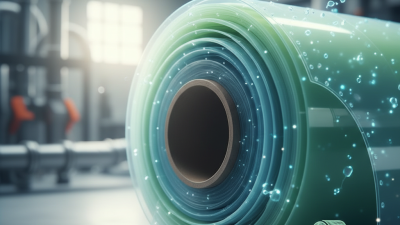
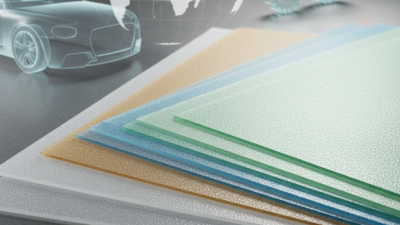
The process transforms raw plastic into usable products like tubes, sheets, and profiles. One significant aspect is energy efficiency. Extrusion minimizes waste while maintaining high output. However, challenges exist, such as the need for precise temperature control. A small error can lead to defective products.
Plastic extrusion requires expertise and reliable machinery. The rising demand for sustainable practices prompts innovations in the field. Despite these advancements, some companies may hesitate to adopt new techniques. They often overlook the long-term benefits of improved processes. Addressing these concerns is essential for growth in this indispensable manufacturing method.
The Role of Plastic Extrusion in Advanced Manufacturing Processes
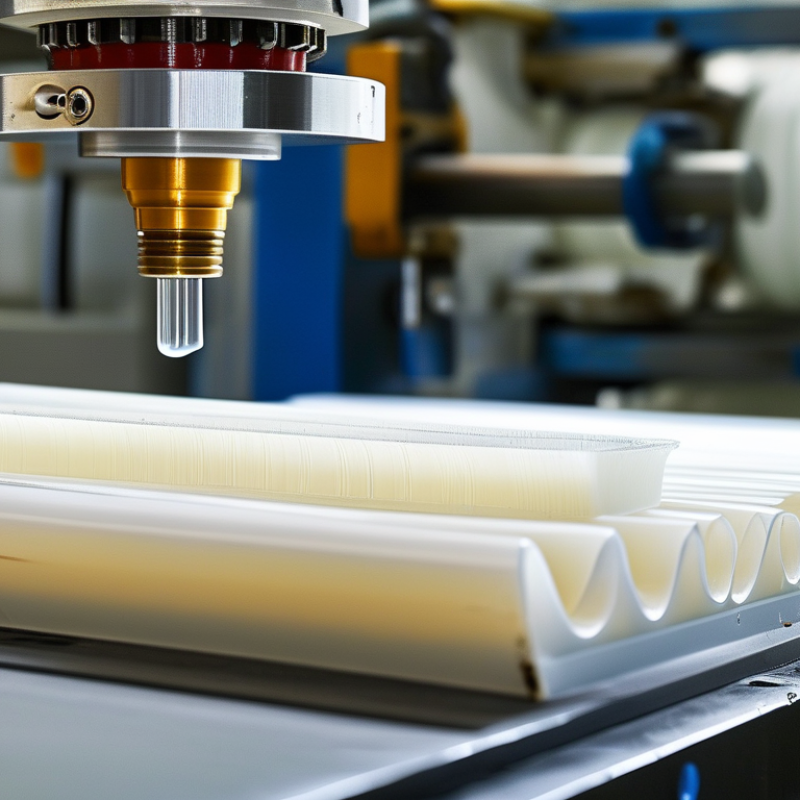
Plastic extrusion plays a pivotal role in modern manufacturing processes. It is the method used to create a wide variety of plastic products. According to a report by the Plastics Industry Association, the plastic extrusion market is expected to reach $20.3 billion by 2026. Such growth indicates its importance in sectors like automotive, construction, and consumer goods.
One critical reason for this significance is efficiency. Plastic extrusion processes can produce complex shapes consistently and quickly. This efficiency reduces lead times and minimizes waste. Additionally, extrusion allows for the use of recycled materials, aligning with sustainability trends. In fact, approximately 36% of plastic extrusions utilize recycled materials, showcasing an industry shift toward eco-friendliness.
Yet, challenges remain. The extrusion process can lead to variances in product quality if not monitored closely. Temperature control and material flow are crucial factors. Fluctuations can result in defects, affecting the final product's performance. Manufacturers must continue refining their processes to ensure reliability and quality. By concentrating on these details, the industry can leverage the full potential of plastic extrusion technology.
Key Industries Utilizing Plastic Extrusion Techniques Today
Plastic extrusion is a vital process in various industries today. It involves melting plastic and molding it into specific shapes. This technique is central to the production of products like pipes, sheets, and profiles.
According to the Plastic Extrusion Market Report, the global plastic extrusion market is projected to reach $60 billion by 2026, indicating robust demand.
The construction industry is a significant user of plastic extrusion. PVC pipes, for instance, are commonly used for plumbing and drainage. These pipes are durable and resistant to corrosion, which makes them a preferred choice.
The automotive sector also benefits from plastic extrusion. Lightweight plastic components help improve fuel efficiency in vehicles. A report from Grand View Research highlighted that lightweight materials can enhance fuel efficiency by up to 25%.
Consumer goods are another key area where plastic extrusion shines. Items like packaging films and flexible containers are produced using this technique. The versatility of plastic extrusion allows manufacturers to create custom shapes and sizes.
However, challenges exist, such as the need for recycling and sustainability. Striking a balance between production needs and environmental impact remains crucial.
Economic Impact: Cost Efficiency through Plastic Extrusion Methods
Plastic extrusion plays a crucial role in modern manufacturing. This method allows for efficient production of various plastic products. The process involves melting plastic and forming it into continuous shapes. This is often more cost-effective than traditional manufacturing methods. According to industry reports, companies can save up to 30% on production costs when utilizing extrusion techniques.
The economic impact of plastic extrusion is significant. Studies show that the global plastic extrusion market was valued at over $300 billion in recent years. This growth indicates a strong demand for cost-efficient manufacturing solutions. Moreover, the ability to produce large volumes quickly can reduce labor costs and increase productivity. However, some factories face challenges in maintaining quality control. Addressing these issues is essential for long-term success.
As the industry evolves, technology improvements in extrusion methods continue to emerge. Investments in automation are also increasing. These innovations can improve efficiency but may require upfront investment. Finding the right balance between technology and traditional methods is crucial. Companies must reflect on how these decisions impact their overall production efficiency.
Economic Impact of Plastic Extrusion on Manufacturing Cost Efficiency
Material Versatility: Types of Plastics Used in Extrusion and Their Applications
Plastic extrusion plays a pivotal role in modern manufacturing due to its ability to create a wide range of products. Different types of plastics, such as PVC, ABS, and PET, have unique properties that make them suitable for various applications. PVC is known for its rigidity and is commonly used in construction materials. ABS offers impact resistance and is often utilized in consumer goods, while PET is favored for its recyclability and is frequently found in packaging.
When selecting a plastic for extrusion, consider the specific needs of your project. In addition to strength and flexibility, think about temperature resistance and chemical stability. Certain plastics perform better in specific environments, so research is crucial.
Tips for extrusion: always test your material under real-world conditions before full-scale production. This helps identify any potential issues early in the process. Another suggestion is to collaborate with experienced professionals in the field. Their insights can guide you in choosing the right material and optimizing the extrusion process. Remember, each project is unique; what works for one may not work for another. Keep experimenting to find the best fit.
Why is Plastic Extrusion Essential for Modern Manufacturing?
| Type of Plastic |
Properties |
Common Applications |
Advantages |
| Polyethylene (PE) |
Low density, flexible, chemical resistant |
Packaging, containers, plastic bags |
Cost-effective, recyclable, versatile |
| Polypropylene (PP) |
High strength, lightweight, fatigue resistant |
Automotive parts, textiles, living hinges |
Durable, resistant to heat and chemicals |
| Polyvinyl Chloride (PVC) |
Rigid, weather resistant, good insulation |
Pipes, profile extrusions, flooring |
Long-lasting, low-cost, available in many colors |
| Polystyrene (PS) |
Brittle, good clarity, low moisture absorption |
Disposable cutlery, CD cases, insulation |
Lightweight, easy to mold, cost-efficient |
| Acrylonitrile Butadiene Styrene (ABS) |
Strong, impact resistant, good finish |
Consumer products, toys, automotive parts |
High strength, easy to machine, good aesthetic |
Sustainability in Manufacturing: Advancements in Recycled Plastics via Extrusion
Plastic extrusion has become a key technique in modern manufacturing, especially in the realm of sustainability. As industries strive to reduce their environmental impact, advancements in recycled plastics via extrusion are playing a pivotal role. According to a 2022 report from the Plastics Industry Association, around 30% of plastic materials in the U.S. are now recycled, a significant increase from previous years. This growth is largely driven by the efficiency of extrusion processes that help produce high-quality recycled products.
Extrusion technology allows manufacturers to consistently reshape and reform recycled plastics into usable forms. However, challenges persist. The quality of recycled materials can vary significantly, impacting the final products. Often, recycled plastics may contain contaminants that could degrade performance. Companies are innovating to address these issues, employing methods such as better sorting techniques and advanced cleaning processes.
Tip: Regularly assess your supply chain for potential improvements in recycling practices. Consider collaborating with suppliers who prioritize sustainability.
Adopting extrusion techniques offers a pathway to repurpose plastics effectively. Industry projections suggest that the market for recycled plastics could exceed $25 billion by 2025. This reflects not only a shift in consumer preference but also a collective responsibility to promote eco-friendly manufacturing practices.
Tip: Invest in employee training focused on sustainable practices. Well-informed workers can enhance overall recycling efforts.