Top Tips for Choosing the Best Extrusion Machine Today?
Choosing the right extrusion machine is crucial for manufacturers. Recent industry reports indicate that the global extrusion machine market is expected to reach $9.5 billion by 2026, growing at a CAGR of 4.5%. This growth highlights the importance of investing in high-quality equipment.
Many factors influence the decision-making process. Buyers must consider machine efficiency, production capacity, and material compatibility. The right extrusion machine can enhance productivity and reduce costs. However, with numerous options available, making a decision can feel overwhelming.
Manufacturers should also reflect on their specific needs. Understanding the production environment is essential. Early research can save time and resources later. Focusing on long-term reliability can prevent costly breakdowns. Ultimately, selecting an extrusion machine requires careful consideration to achieve optimal results.
Understanding Extrusion Machines: Types and Applications
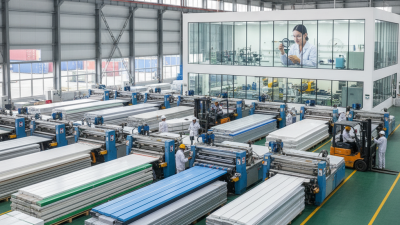
Understanding extrusion machines is vital for industries that require transforming raw materials into functional products. These machines come in various types, each suited for specific applications.
Single-screw extruders are common for plastic processing. They efficiently melt and mix polymers, providing a simple solution for many applications.
Twin-screw extruders, on the other hand, offer better mixing and reaction capabilities. They are ideal for materials requiring precise control, like food products or specialized polymers.
When selecting an extrusion machine, consider the material characteristics. Materials like thermoplastics behave differently than thermosets. Your choice affects the quality of the final product. Pay attention to the machine's throughput and energy efficiency.
Sometimes, machines that seem powerful may consume excessive energy. Balancing these factors can lead to better sustainability. What seems like a straightforward choice often reveals complexities. Understanding the nuances of each machine type prepares you for better decision-making in production processes.
Key Features to Consider When Selecting an Extrusion Machine
When selecting an extrusion machine, several key features merit careful consideration. The capacity of the machine plays a crucial role. Higher capacity machines can handle larger production volumes, which is beneficial for scaling operations. Pay attention to the thermal performance as well. Efficient temperature control ensures the quality of the final product. Machines with good thermal stability reduce the need for constant adjustments.
Material compatibility is another critical aspect. Ensure the machine can work with the materials you intend to use. This minimizes issues during production and enhances efficiency. Look closely at the design and ease of maintenance. Machines that are complicated or hard to clean can lead to downtime. Simple maintenance routines are more efficient and can improve productivity.
Energy efficiency shouldn't be overlooked either. Machines that consume less power contribute to long-term cost savings. However, the initial investment may seem high. Be mindful of not just the purchase price but also operational costs. It's essential to balance quality and affordability. Often, cutting corners can lead to significant future expenses. Explore different options, and don't hesitate to reach out to industry experts for insights. They can provide valuable guidance based on real-world experiences and lessons learned.
Evaluating the Performance and Efficiency of Extrusion Machines
When evaluating the performance and efficiency of extrusion machines, several factors come into play. One critical aspect is the machine's output rate. It's essential to determine how fast the machine can produce desired materials. This speed should align with your production goals. However, high output isn't the only key metric; consistency matters too. Inconsistent extrusion can lead to wasted materials and increased costs.
Energy consumption is another area to scrutinize. Machines that use less energy but still maintain performance levels can save significant costs. Compare different models and consider their energy ratings. A seemingly efficient machine may consume more power during prolonged use. Additionally, you should pay attention to maintenance requirements. Machines that require frequent servicing can hamper productivity. If maintenance is complicated, it may lead to downtime and lost revenue.
Lastly, consider the versatility of the machine. Some machines are designed for specific materials, while others can handle a variety. This flexibility can be beneficial if your production needs change. However, be cautious; machines that promise versatility may sometimes compromise performance. A machine's ability to adapt should not come at the cost of quality. Balancing these different factors can be challenging, but taking the time to evaluate them carefully will pay off in the long run.
Top Tips for Choosing the Best Extrusion Machine Today? - Evaluating the Performance and Efficiency of Extrusion Machines
| Machine Type |
Material Compatibility |
Maximum Output (kg/h) |
Energy Consumption (kW) |
Efficiency Rating (%) |
| Single Screw Extruder |
Thermoplastics |
150 |
45 |
85 |
| Twin Screw Extruder |
Thermoplastics, Compounds |
250 |
60 |
90 |
| Single Stage Extruder |
PVC, ABS |
120 |
30 |
80 |
| Co-Extruder |
Multi-layer Films |
200 |
55 |
88 |
Assessing Manufacturer Reputation and Customer Support
Choosing the right extrusion machine goes beyond features and specifications. Evaluating the manufacturer's reputation is crucial. A good reputation often reflects years of experience in the industry. Look for companies with a track record of reliability and innovation. Check industry forums and testimonials for insights. Customer success stories often highlight a manufacturer's strengths and potential weaknesses.
Customer support plays a significant role as well. An excellent machine is only as good as its after-sales service. Assess the availability of support from the manufacturer. Do they offer maintenance and troubleshooting assistance? Consider their response times. A reliable support team can save you from downtime and costly repairs. Reflect on previous experiences with service teams. It’s vital to ensure they understand your specific needs.
Investing time in these aspects can lead to better decision-making. Manufacturers may cite various reasons for delays or issues. However, transparency and responsiveness are keys to good support. A well-informed choice can ensure smooth operations in the long run. Aim for a partner with lasting commitment to customer satisfaction.
Budgeting for Your Extrusion Machine: Costs and Financing Options
Choosing the right extrusion machine can be a daunting task.
Budgeting plays a crucial role in this decision. Understanding the costs involved is essential.
The price of extrusion machines varies widely. It can range from thousands to
hundreds of thousands of dollars. You will also need to budget for installation,
maintenance, and raw materials.
When considering financing options, look into leasing versus buying.
Leasing may require lower upfront costs but can add up over time. Buying an extrusion machine
often means higher initial expenses. However, it may be more economical in the long run.
Calculate the total cost of ownership before making a decision.
Here are some tips to navigate your budgeting process:
- Research different models to identify their price ranges.
- Seek quotes from various suppliers to get a clearer idea of market rates.
- Additionally, consider potential production increases.
A slightly higher investment may yield better long-term profits.
- Lastly, keep an eye on hidden costs.
Shipping, training, and warranties can impact your overall budget.
Prioritize transparency in your financial arrangements.