Top Tips for Choosing the Best Fiberglass Drill Bits?
Choosing the right fiberglass drill bits can significantly impact your project’s success. Experts agree that the quality of your tools plays a crucial role. According to the Fiberglass Tool Association, using precision drill bits can increase drilling efficiency by up to 30%. Dr. Sarah Eldridge, a leading expert in composite materials, emphasizes, "The right drill bit can dramatically reduce chip formation and extend the lifespan of both the tool and the material."
In recent years, the demand for fiberglass applications has surged. Industries such as aerospace, automotive, and construction require reliable drilling tools. A report by Global Market Insights indicates that the fiberglass market is projected to reach $100 billion by 2026. This growth underscores the need for specialized drill bits. Selecting fiberglass drill bits with the right coatings and geometry can prevent overheating and damage to the material.
However, many users overlook essential features. Some drill bits may not be suitable for specific fiberglass types. It’s vital to consider both performance and compatibility. Even seasoned professionals occasionally choose the wrong tool. Reflecting on these choices can lead to better decisions in the future. Remember, high-quality fiberglass drill bits are an investment in your success.
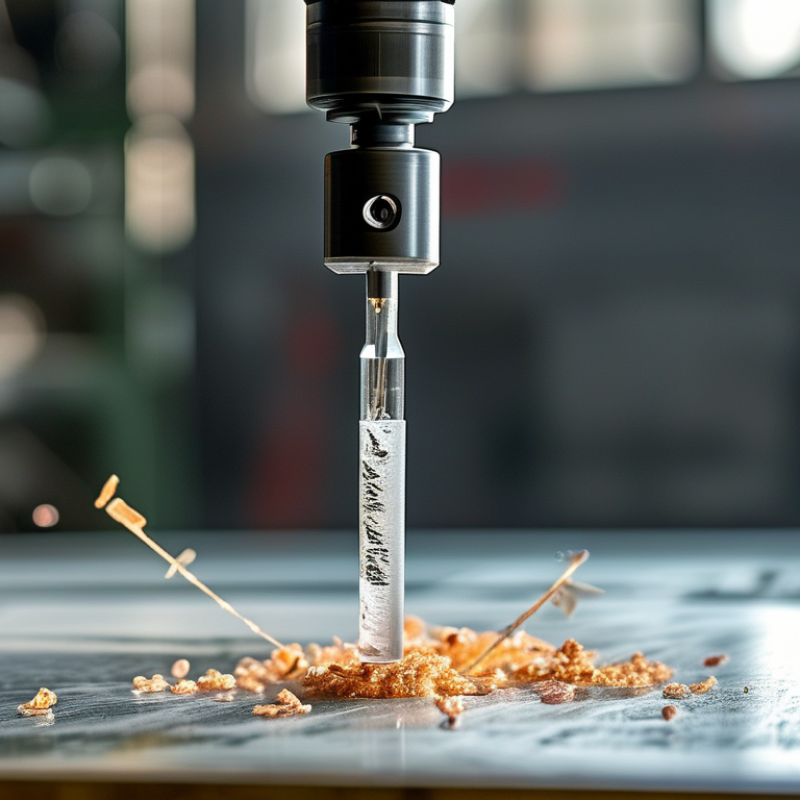
Understanding Fiberglass and Its Drilling Challenges
Fiberglass is a unique material, favored for its strength and lightweight properties. However, drilling into fiberglass presents specific challenges. The dust generated during drilling can be harmful if inhaled. A study by the American Conference of Governmental and Industrial Hygienists highlighted the respiratory risks. Proper ventilation and protective gear are vital when working with fiberglass.
Choosing the right drill bit is crucial. Standard drill bits can cause chipping and splintering, leading to poor finishes. Bits designed specifically for fiberglass typically feature sharper points and unique geometries. Research by the International Association of Drilling Contractors indicates that specialized bits increase efficiency by up to 30%. This is significant for both novices and professionals.
It's essential to slow down the drilling speed. Fast speeds generate excessive heat, which can melt the resin and damage the material. Many professionals recommend a speed below 1,000 RPM for best results. Additionally, a steady hand is required to maintain precision. Rigidity in drill settings can lead to mistakes, resulting in unnecessary waste. Reflection on each drilling project can enhance skills over time.
Types of Fiberglass Drill Bits Available in the Market
When selecting fiberglass drill bits, it's essential to understand the variety available. Most commonly, bits are categorized into two types: standard bits and specialty bits. Standard bits typically feature a high-speed steel construction, ideal for general drilling tasks. They can efficiently cut through fiberglass layers without overheating, which is crucial for maintaining their integrity.
Specialty bits, on the other hand, are designed specifically for fiberglass applications. These often come with a unique tip design that facilitates smoother entry and reduces fraying of the material. According to a recent industry report, nearly 35% of professionals prefer bits with a carbide tip for their durability and long lifespan. This durability helps achieve consistent results across projects.
Moreover, sizing plays a critical role in choosing the right bit. Bits typically range from 1/16 inch to 1 inch in diameter. Professionals recommend selecting a bit only slightly larger than the desired hole size to prevent excessive debris. However, beginners sometimes overlook this detail, leading to issues such as poor hole quality. Understanding these nuances in bit types and specifications can significantly impact your fiberglass drilling projects' success.
Key Features to Look for in Fiberglass Drill Bits
When selecting fiberglass drill bits, key features can make a significant difference. The material of the bit is crucial. High-speed steel or carbide-tipped options tend to provide durability and precision when drilling through tough fiberglass surfaces. A sharp edge ensures clean cuts, reducing the risk of splintering the fiberglass during use.
Another important feature is the drill bit's design. Look for bits with a point angle that allows for easier penetration into fiberglass. A spiral or fluted design enhances chip removal, preventing clogging. Additionally, consider the size range available. Having various sizes will help you tackle different projects effectively.
Don't overlook the importance of the shank type. A round or hexagonal shank can influence compatibility with your drill. A secure fit minimizes wobbling, which can compromise accuracy. Sometimes, users choose bits without fully understanding these details. This can lead to frustration during projects when the wrong bit is used. Reflecting on your needs can guide your choice for optimal results.
Tips for Proper Usage and Maintenance of Drill Bits
Proper usage and maintenance of fiberglass drill bits can significantly enhance their longevity and performance. According to industry reports, regularly checking for wear can add up to 30% to the lifespan of drill bits. Keeping drill bits clean is crucial. Residue buildup can lead to slower cutting speeds and excess heat. It's recommended to wipe drill bits after each use.
Drilling techniques also play a vital role in maintaining drill bits. Using a constant pressure instead of varying force minimizes wear. Overly aggressive drilling can cause bits to dull faster. Proper lubrication can significantly reduce friction. Reports indicate that using the right lubricant can improve efficiency by 15%. However, even with the right practices, users may find that bits wear down sooner than expected, highlighting the importance of regular inspections.
Storage conditions cannot be overlooked either. Bits should be kept in a dry environment. Humidity can lead to rust and corrosion, damaging the bits. Even a minor oversight in storage can lead to significant degradation over time. Regularly reviewing your maintenance practices ensures optimal performance and prolongation of your fiberglass drill bits.
Safety Precautions When Drilling Fiberglass Surfaces
When drilling fiberglass surfaces, safety must be your top priority. Fiberglass can be hazardous if not handled properly. Always wear safety goggles to protect your eyes from stray particles. A respirator can also prevent inhalation of fine dust. Heavy-duty gloves will shield your hands from sharp edges during the process.
Tips for working with fiberglass include keeping a steady hand. Uneven pressure can cause splintering. It's crucial to use bits specifically designed for fiberglass. These reduce friction and heat buildup. Take breaks often to avoid fatigue. Overworking can lead to mistakes and injuries.
If you're new to drilling, practice on scrap pieces of fiberglass first. This allows you to refine your technique without risking damage to your project. Ensure you have a sturdy work surface. A stable setup minimizes movement and increases accuracy. Remember to check your tools frequently for wear and tear. Using dull bits can lead to accidents and poor results.
Top Tips for Choosing the Best Fiberglass Drill Bits