Top Tips for Choosing the Best Polyethylene Sheet?
Choosing the right polyethylene sheet can be crucial for many applications. This versatile material is used in construction, packaging, and agriculture. According to a recent industry report, the global polyethylene sheet market is projected to reach $18 billion by 2027. This growth highlights its importance across various sectors.
When selecting a polyethylene sheet, consider thickness, durability, and UV resistance. An optimal choice can enhance the lifespan of your projects. However, not all sheets meet project requirements. Some might lack the necessary strength or flexibility. These shortcomings can lead to costly mistakes down the line.
It’s essential to evaluate your needs carefully. Understand the specific properties required for your application. Do not overlook the impact of poor material selection. Choosing the best polyethylene sheet involves more than just price; it requires thorough research and analysis of available options.

Understanding Polyethylene Sheets: Types and Their Applications
Polyethylene sheets come in various types, each with unique properties. Understanding these differences helps in selecting the right one for your needs. The most common types include high-density polyethylene (HDPE) and low-density polyethylene (LDPE).
HDPE is known for its rigidity and tensile strength. It is often used in construction and packaging. On the other hand, LDPE is more flexible and lighter, making it suitable for applications like bags and film.
When choosing a polyethylene sheet, consider thickness and size. Thicker sheets can withstand harsh environments. However, they may be more challenging to handle. Size matters, too. Cutting a large sheet to fit specific dimensions can lead to waste. Reflect on how you plan to use the sheet. Are you covering a surface or creating a structure? Each use demands different specifications.
In addition, think about the environmental impact. Some polyethylene sheets are recyclable, while others aren't. This affects long-term sustainability. As you evaluate options, remember that what works perfectly for one project might not suit another. Mistakes in selection can lead to increased costs and project delays. Balancing function and practicality is essential in your decision-making process.
Key Factors to Consider When Choosing Polyethylene Sheets
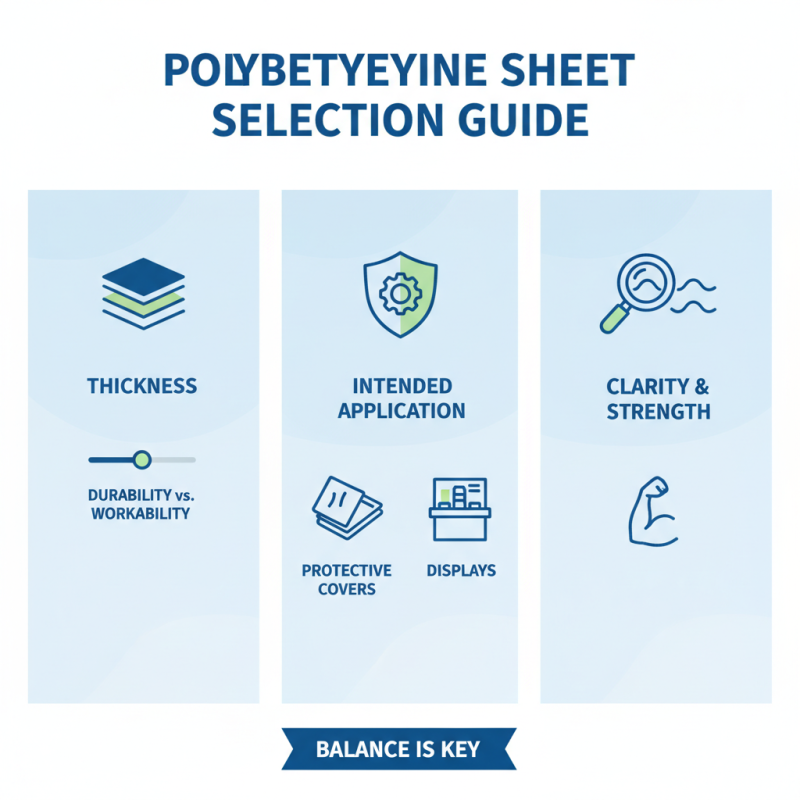
When choosing polyethylene sheets, several key factors play a crucial role. First, consider the sheet's thickness. Thicker sheets typically offer greater durability. However, they can be more challenging to work with. A balance is needed. The intended application also matters. Whether for protective covers or displays, clarity and strength are essential.
Another important factor is the sheet's surface finish. Smooth finishes provide a sleek look but may scratch easily. On the other hand, textured surfaces can hide imperfections. However, they may not be as visually appealing. Reflect on where and how the sheets will be used.
Temperature resistance is also a vital aspect. Some polyethylene sheets withstand heat better than others. This might affect their longevity in specific environments. Be mindful of these details while selecting. Regular reevaluation of your choices can lead to better outcomes. Don’t rush. Take the time to weigh your options thoughtfully.
Evaluating Thickness and Dimensions for Your Project Needs
When selecting a polyethylene sheet, focus on thickness and dimensions. These factors significantly impact the sheet's performance and suitability for various projects. Common thickness ranges are from 0.5 mm to 3 mm. Thicker sheets offer greater durability, while thinner sheets are more flexible and easier to handle. Think about the specific needs of your project before making a choice.
For instance, if you need to create a protective barrier, a thicker sheet is ideal. It can withstand environmental stress better than a thinner option. On the other hand, for applications like temporary coverings, a lightweight sheet might be sufficient. Measure your project area accurately. This helps avoid ordering the wrong dimensions. Remember, choosing the right size can avoid future hassles.
Don’t overlook any imperfections in your selection process. Are you prioritizing durability over flexibility? Reflect on your project's demands. Sometimes, a smaller size works better than you think. It’s easy to assume bigger is better but assess your environment first. Each project is unique, and the right dimensions will enhance functionality and aesthetic appeal.
Thickness Comparison of Polyethylene Sheets
Assessing Chemical Resistance and Durability of Polyethylene Sheets
When selecting polyethylene sheets, considering chemical resistance is essential. Polyethylene can handle many substances, but it's not invincible. Some harsh chemicals may degrade the material. Always test the specific chemical with the sheet you plan to use. This helps ensure longevity and performance.
Durability plays a crucial role too. Polyethylene sheets are known for their resilience. They resist impacts and weather conditions well. However, not all sheets are created equal. Variations in thickness and type affect their strength. Thinner sheets might not withstand heavy use. It's important to evaluate your needs carefully.
Temperature stability is another aspect to assess. Polyethylene can become brittle in cold conditions. Conversely, it softens in high heat. Understanding these factors can guide your choice effectively. Gathering data on specific conditions will lead to better decisions. It’s a process that may require time and research, but the right sheet is worth the effort.
Top Tips for Choosing the Best Polyethylene Sheet - Assessing Chemical Resistance and Durability of Polyethylene Sheets
| Property |
Description |
Rating Scale (1-5) |
Recommended Application |
| Chemical Resistance |
Resistance to common chemicals such as acids, bases, and organic solvents |
4 |
Chemical storage and processing |
| Tensile Strength |
The material's ability to withstand pulling forces without breaking |
5 |
Industrial applications, packaging |
| Flexibility |
Ability to bend without breaking, beneficial for various applications |
4 |
Construction materials, signage |
| UV Resistance |
Resistance to degradation from UV light exposure |
3 |
Outdoor applications, greenhouse covering |
| Temperature Resistance |
Ability to withstand high and low temperatures without deformation |
4 |
Automotive parts, insulated barriers |
| Impact Resistance |
Ability to absorb shock without cracking |
5 |
Protective covers, containers |
Analyzing Cost Considerations and Available Suppliers for Polyethylene Sheets
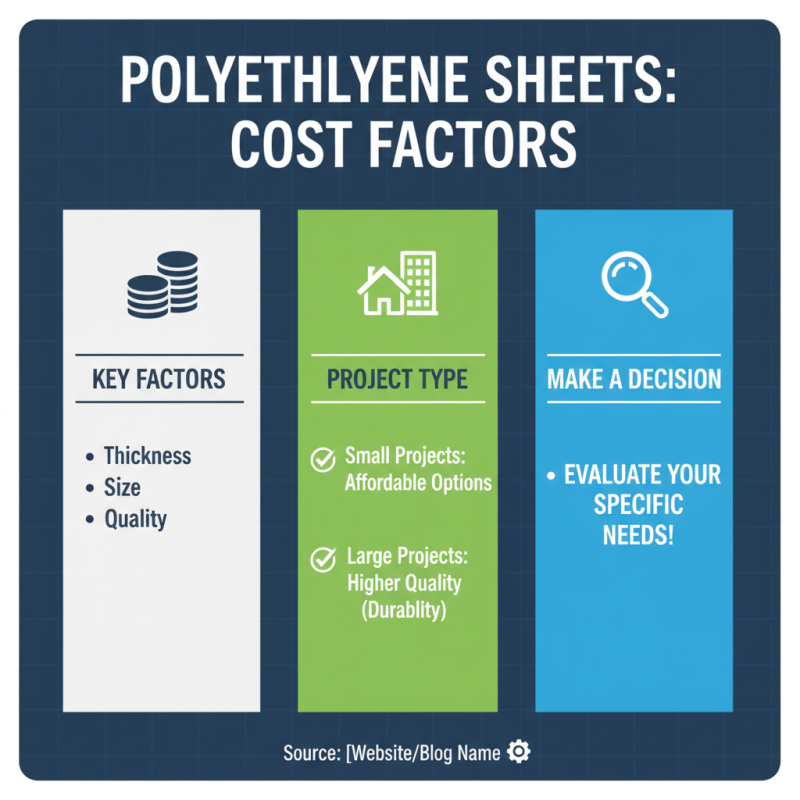
When considering polyethylene sheets, cost is a key factor. Prices can vary significantly based on thickness, size, and quality. For smaller projects, affordable options may suffice. However, larger projects may require investing in higher-quality sheets to ensure durability and longevity. It's crucial to evaluate your specific needs before making a decision.
Supplier selection is equally important. Many suppliers offer a range of products, but not all provide consistent quality or service. Research is necessary. Check online reviews and request samples if possible. Some suppliers may promise low prices but deliver subpar materials. This can lead to costly mistakes down the line.
Consider shipping and handling costs as well. Some suppliers may offer great prices but charge high delivery fees. Evaluate the total cost, including any hidden charges. In some cases, it might be worth paying slightly more for better service and quality. Balancing cost and quality can be tricky but is essential for a successful purchase.