
ABS plastic is not one uniform material. Different grades can behave very differently when molded into a dashboard panel, appliance housing, or protective case. For global buyers, choosing the right type means looking beyond price and color. Impact resistance, heat performance, surface finish, and processing requirements all matter.
This guide introduces ten common ABS plastic types and explains where each may fit. These include general-purpose, high-impact, heat-resistant, flame-retardant, electroplating, and other specialty grades. Small details count. A glossy sample may look excellent under showroom lights, yet reveal scratches or uneven color in production. Likewise, a grade that works well in one mold may not suit another. Buyers should compare technical data sheets, request representative samples, and confirm processing conditions with suppliers before placing large orders. That is practical, not glamorous.
No single grade is best for every project. Even familiar labels can vary between manufacturers, so check the specific grade rather than relying on a broad category name. Consider the part’s environment, expected loads, appearance needs, and manufacturing process. When applicable, verify relevant test reports and quality documentation with the supplier. This overview offers a starting point, not a substitute for application testing. Some comparisons may still leave questions; that is normal. A careful trial run can uncover issues that a catalog cannot.
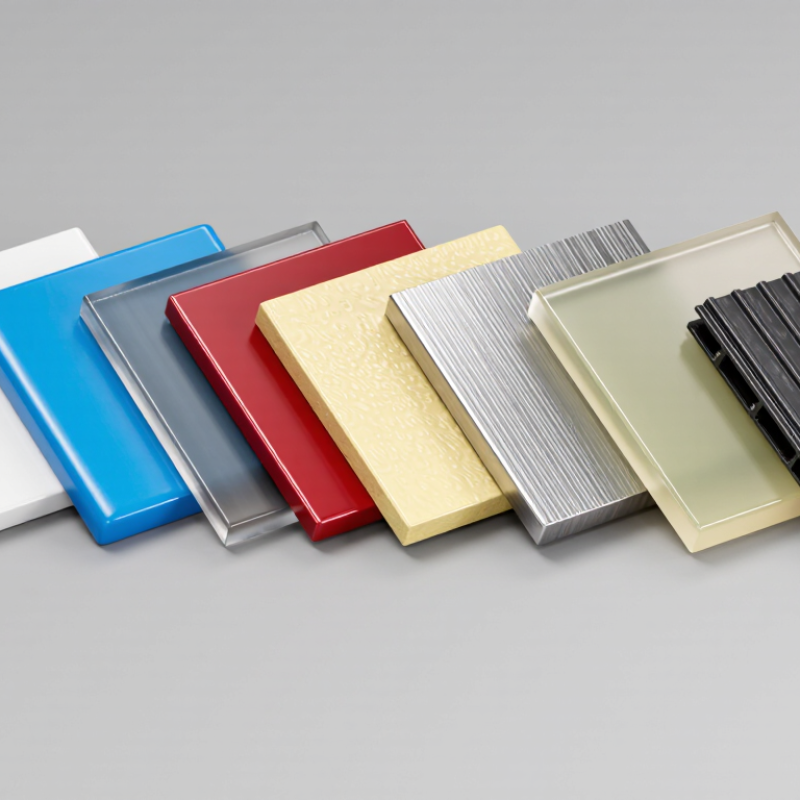
ABS plastic, or acrylonitrile butadiene styrene, is an engineering thermoplastic used in many manufacturing sectors. It combines three useful qualities: rigidity, impact resistance, and easy processing. The acrylonitrile component supports chemical resistance and heat stability. Butadiene improves toughness, especially during sudden impacts. Styrene contributes a smooth surface and consistent appearance.
Manufacturers select ABS for housings, control panels, interior components, protective covers, and functional prototypes. It can be injection molded into detailed shapes with clean edges. It also accepts drilling, machining, painting, and some surface treatments. A molded ABS enclosure can protect internal parts while remaining lighter than many metal alternatives. This balance matters in high-volume production.
ABS is available in different grades, including flame-retardant, heat-resistant, high-impact, and electroplating types. Each grade involves trade-offs. A heat-resistant grade may process less easily. A flame-retardant formulation can become less impact-resistant. It is not perfect. ABS may degrade under prolonged ultraviolet exposure, and some solvents can cause cracking. I have seen sourcing teams choose a low-cost grade, then face warping near warm components. Material selection should consider temperature, wall thickness, color, impact needs, and end-use conditions. Small samples can reveal problems that a datasheet misses. Testing remains essential.
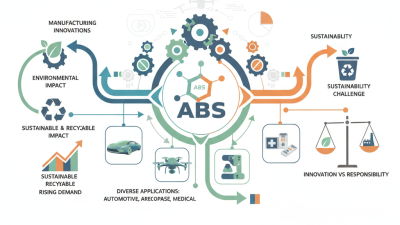
ABS (acrylonitrile butadiene styrene) is a tough, impact-resistant thermoplastic used in products ranging from housings to automotive components. The chart compares representative tensile-strength values for common ABS grades and variants.
Values are approximate representative figures in MPa, not guaranteed specifications or a universal ranking. Actual properties vary by formulation, manufacturer, and test method; check the technical data sheet for the specific grade.
ABS plastic types are classified mainly by composition, additives, and performance targets. The standard ABS base combines acrylonitrile, butadiene, and styrene, but their ratios can change toughness, rigidity, and chemical resistance. Global buyers commonly compare ten types: general-purpose, high-impact, heat-resistant, flame-retardant, UV-stabilized, transparent, electroplatable, glass-filled, mineral-filled, and low-temperature ABS.
Each type solves a different processing problem. High-impact ABS uses more rubber phase for stronger impact resistance. Heat-resistant grades contain modified resin structures that tolerate warmer service conditions. Glass-filled ABS improves stiffness but may reduce surface quality. Transparent ABS depends on controlled composition and careful molding. UV-stabilized material includes protective additives for outdoor exposure. Flame-retardant grades require verified test data, not casual claims. Electroplatable ABS needs a surface suitable for chemical or mechanical preparation. These differences affect shrinkage, color consistency, weld lines, and tooling performance.
Tips: Request the technical data sheet, safety documentation, molding temperature range, and test method before purchasing. Check impact strength at the actual service temperature. A material that performs well indoors may become brittle outdoors. Buyers should also confirm recycled content, batch consistency, and regulatory requirements for the destination market. No classification is perfect. Real parts can behave differently because of moisture, mold design, processing speed, or uneven cooling. Small trial runs remain valuable, even when the supplier’s data looks convincing.
Global buyers commonly compare ten ABS categories: general-purpose, high-impact, heat-resistant, flame-retardant, electroplating, injection-molding, extrusion, blow-molding, glass-fiber-reinforced, and low-gloss grades. These names describe different performance targets or processing needs, and formulations can vary between suppliers.
General-purpose ABS suits housings and everyday molded parts. High-impact grades help protect clips and casings from knocks, while heat-resistant grades better tolerate warmth near appliances.
Flame-retardant grades are designed to meet specified flammability tests; check the exact rating and test method, not just the label. Electroplating grades support plated finishes, but surface preparation and process control matter. Details matter.
For production, injection-molding grades flow into detailed parts, extrusion grades form continuous profiles, and blow-molding grades make hollow shapes.
Glass-fiber-reinforced ABS offers greater stiffness, though it may leave visible fibers or a rougher surface. Low-gloss grades reduce shine on visible panels.
A grade that works well for a smooth control panel may disappoint in a thin, flexible clip. Compare datasheets for impact strength, heat performance, shrinkage, and processing conditions, then test samples in the intended part. No category is universally best; a small trial can reveal issues a data table misses.
ABS plastic is not one universal material. Its performance changes with additives, processing, and the ratio of its main components. Global buyers should compare the grade against the real service environment.
General-purpose ABS suits housings, toys, and indoor equipment where balanced strength and appearance matter. High-impact ABS handles drops better, making it useful for protective cases and transport parts. Heat-resistant ABS keeps its shape near warm components, although the exact temperature limit requires supplier data. Flame-retardant ABS supports electrical enclosures, but buyers must verify the required testing standard.
UV-stabilized ABS performs better outdoors than standard ABS, which may fade or become brittle under sunlight. Electroplatable ABS offers a surface suitable for decorative metal finishes after controlled preparation. Transparent ABS can provide visual appeal, but it rarely matches the clarity of dedicated transparent polymers. Glass-filled ABS improves stiffness and dimensional stability, while mineral-filled grades can reduce shrinkage and change surface texture. Recycled ABS may lower material impact and cost, yet color, odor, and impact performance can vary between batches.
These differences affect molding temperature, cycle time, weld-line strength, and final inspection. In my experience, a datasheet alone is not enough. Test samples in the actual climate and assembly. A supposedly heat-resistant grade may still warp around screws or thin ribs. Moisture, pigment, wall thickness, and tool design also influence results. Buyers should request traceable test reports, sample parts, and batch consistency information before approving large production.
Choosing the right ABS plastic starts with the product’s working conditions, not its color or price. General-purpose ABS suits indoor housings, toys, and simple covers. High-impact ABS handles repeated drops better. Heat-resistant grades fit parts near motors or warm appliances. UV-stabilized ABS performs better outdoors, although prolonged sunlight can still cause fading and brittleness.
Buyers should check impact strength, heat deflection temperature, shrinkage, and melt flow rate. These figures affect durability, warpage, and production speed. A thin dashboard panel may need easy flow, while a thick protective case may need stronger impact resistance. Flame-retardant ABS can support specific safety requirements, but the buyer should verify test reports for the intended application. Do not rely on a sales description alone.
Processing details matter too. Ask whether the resin is suitable for injection molding, extrusion, plating, or painting. Confirm moisture handling, drying temperature, recycled content, and batch consistency. A small molding trial can reveal sink marks, weld lines, or unpleasant surface texture before full production. On paper, a premium grade may look ideal. In practice, it may be difficult to process or unnecessarily expensive. That is an easy mistake. Compare at least two verified data sheets, test samples under real temperature and impact conditions, and record the results before approving the ABS type.
| ABS Type | Typical Characteristics | Common Applications | Processing Considerations | Best Selection Criteria |
|---|---|---|---|---|
| General-Purpose ABS | Balanced impact strength, stiffness, surface finish, and processability. Commonly opaque; properties vary by formulation. | Consumer goods, appliance housings, toys, office equipment, and general molded parts. | Widely used in injection molding and available in grades for extrusion. Drying requirements depend on the supplier’s technical data sheet. | Choose for cost-effective, all-around performance when no unusually high heat, impact, or regulatory requirement applies. |
| High-Impact ABS | Modified for improved toughness and impact resistance, often with some trade-off in stiffness or surface hardness. | Protective housings, luggage components, automotive interior parts, and products exposed to knocks or drops. | Confirm the grade’s impact test method and temperature conditions; impact results are not directly comparable across different test standards. | Choose when toughness is a priority, and verify performance at the product’s expected service temperature. |
| Heat-Resistant ABS | Formulated to retain useful stiffness and shape at higher temperatures than standard ABS. Heat-deflection temperature is grade- and test-condition-dependent. | Appliance components, automotive interior parts, and housings near moderate heat sources. | Check heat-deflection temperature (HDT), Vicat softening temperature, and the intended load and temperature conditions. | Choose based on the maximum continuous-use temperature and mechanical load, rather than relying on a single heat-resistance value. |
| Flame-Retardant ABS | Contains a flame-retardant formulation; flame behavior and mechanical properties vary by grade and specimen thickness. | Electrical and electronic enclosures, appliance housings, and other parts with defined fire-performance requirements. | Confirm the applicable flammability standard, classification, tested thickness, color, and end-product requirements. A resin classification does not certify the finished product. | Choose only after identifying the required fire standard and thickness; request current test documentation for the exact grade. |
| Electroplating-Grade ABS | Designed with a surface and formulation suitable for pretreatment and metal plating, commonly providing good plating adhesion when processed correctly. | Decorative automotive trim, appliance details, bathroom fittings, and plated consumer-product components. | Plating quality depends on resin grade, molded-part design, surface condition, and the plating process. Validate with production-representative samples. | Choose when a durable metallic finish is required; assess adhesion, appearance, corrosion resistance, and process compatibility. |
| Extrusion-Grade ABS | Rheology and melt strength are tailored for continuous forming processes such as sheet, profile, or pipe extrusion. | ABS sheet, profiles, refrigerator liners, and thermoformed components. | Confirm melt-flow behavior, output stability, sheet thickness range, and compatibility with downstream thermoforming or fabrication. | Choose for extrusion rather than assuming an injection-molding grade will provide stable output or the required melt strength. |
| High-Gloss ABS | Designed to support a smooth, glossy molded surface, with appearance influenced by tooling, processing, color, and part design. | Visible appliance panels, consumer electronics housings, interior trim, and decorative components. | Use suitable mold polish and process controls; evaluate the finished part for flow marks, weld lines, and gloss consistency. | Choose when surface appearance is important and confirm color, gloss, and texture on molded samples. |
| Low-Temperature Impact ABS | Formulated to retain impact performance better in cold conditions than standard grades; actual results depend on grade and test temperature. | Outdoor equipment, cold-storage components, and products shipped or used in low-temperature environments. | Request impact data at the relevant low temperature and verify performance after aging or exposure to the intended environment. | Choose when the product may experience cold-weather drops, handling, or impact during transport and use. |
| Antistatic ABS | Modified to reduce surface charge accumulation; electrical behavior can vary with formulation, humidity, and surface condition. | Electronic-component trays, equipment housings, and parts used in controlled handling environments. | Specify the required surface-resistivity range and test method. Antistatic performance is not the same as electrical insulation or conductivity. | Choose according to the required level of static control and validate performance under the expected humidity and service conditions. |
| Conductive ABS | Contains conductive additives to provide electrical conductivity or electrostatic-dissipative behavior; strength, finish, and flow may differ from standard ABS. | Electronic enclosures, sensor components, and parts requiring a defined conductive or static-dissipative path. | Check electrical properties, filler effects, mold wear, surface finish, and whether conductivity must be maintained across the whole part. | Choose only when the electrical requirement is clearly defined; verify resistance and performance on the finished component. |