2026 Top Cooling Fan Trends for Global Buyers Insights?
As global temperatures continue to rise, the demand for effective cooling solutions has surged. Cooling Fans play a pivotal role in various applications, from electronics to HVAC systems. A recent report by MarketsandMarkets indicates that the global cooling fan market is expected to grow at a CAGR of 4.3% from 2021 to 2026. This trend reflects the increasing need for energy-efficient cooling devices.
Industry expert Dr. Lisa Huang states, “Innovations in cooling fan technology are crucial for sustainability and energy efficiency.” This highlights the industry's shift towards designs that not only enhance performance but also reduce energy consumption. The upcoming 2026 trends showcase advancements such as smart technology integration and eco-friendly materials, making cooling fans more adaptable to modern needs.
However, challenges remain. Many consumers are unaware of the benefits of advanced cooling fans. There's a need for better education around energy efficiency and product performance. Additionally, manufacturers must address environmental concerns regarding the disposal of older fan models. Balancing technological advancement with sustainability will be vital for future success in the cooling fan industry.
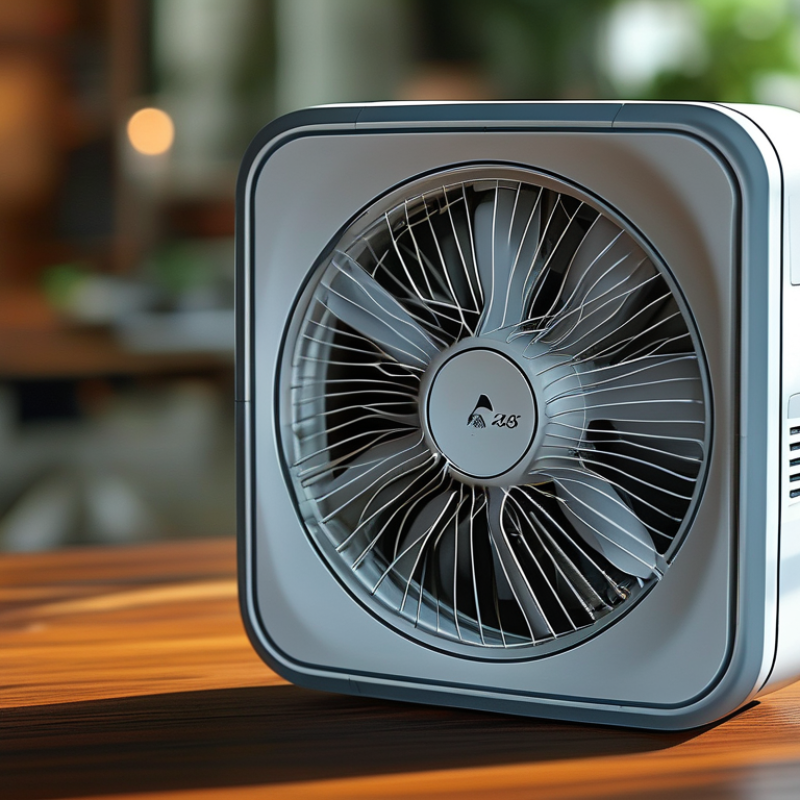
2026 Cooling Fan Trends Overview for Global Buyers
As we look toward 2026, cooling fan trends will significantly shape global buyer preferences. Innovative designs and energy efficiency are key focuses. Many consumers are now interested in smart features that enhance usability. These may include remote control operations and integration with home automation systems. Buyers are exploring options that not only cool effectively but also blend seamlessly into home decor.
Tips: When considering a cooling fan, think about where it will be placed. A fan that complements your space can elevate the aesthetics. Additionally, energy-efficient fans can lower electricity bills while delivering optimal performance.
Another aspect to consider is noise level. A whisper-quiet fan may be essential for bedrooms or offices. Some high-tech fans offer soundproofing features, providing a peaceful environment. However, some users might find that the most advanced fans can be more complex, leading to potential user frustration.
It's worthwhile to look for balance. The perfect cooling solution should be effective yet easy to operate. A well-informed buyer can assess various options and decide what features truly matter. Good research can empower consumers to make savvy choices in the evolving market.
2026 Top Cooling Fan Trends for Global Buyers Insights
| Trend | Description | Market Growth (%) | Key Features | Target Market |
| Smart Cooling Fans | Integration with IoT for enhanced user control. | 15% | Wi-Fi connectivity, mobile app control | Tech-savvy consumers, urban dwellers |
| Eco-friendly Materials | Fans made from sustainable and recyclable materials. | 20% | Biodegradable plastics, energy-efficient designs | Environmentally conscious consumers |
| Silent Operation | Fans designed to operate with minimal noise. | 10% | Quiet motors, sound dampening technology | Office environments, bedrooms |
| Multi-functionality | Fans that combine cooling with other functionalities. | 12% | Air purifying, humidifying features | Homeowners, allergy sufferers |
| Personalized Design | Customizable aesthetics for individual preferences. | 18% | Changeable covers, adjustable colors | Young adults, design enthusiasts |
Innovative Technologies Driving Cooling Fan Enhancements
Innovative technologies are reshaping the cooling fan industry. Advanced materials are leading this transformation. Fans are now built with lightweight and durable composites. These materials enhance efficiency while reducing energy consumption. Energy-efficient motors are also gaining traction. They use less electricity yet deliver superior airflow. This shift benefits both consumers and the environment.
Smart technology is another key trend. Many new fans come equipped with IoT features. Users can control them via smartphones or smart home systems. This convenience is appealing, yet it raises questions about security and privacy. Additionally, some designs focus on noise reduction. Quiet operations make fans suitable for offices and bedrooms. However, achieving silence without compromising airflow is a complex challenge.
Some manufacturers are exploring customizable designs. They allow users to adjust settings based on real-time needs. While this personalization enhances user experience, it can complicate usability. Fans might require more frequent maintenance, leading to potential frustration. As the market evolves, it's clear that innovation brings both benefits and challenges in cooling fan technology.
Sustainability Practices in the Cooling Fan Industry
The cooling fan industry is evolving with a strong focus on sustainability. As global concerns about climate change grow, manufacturers are exploring eco-friendly materials. This shift includes the use of recycled plastics and energy-efficient motors. Such practices not only reduce waste but also lower the carbon footprint of each fan produced.
Innovations are emerging in design and functionality. Smart fans with energy-saving features are becoming popular. These fans adjust their speed based on room temperature, enhancing energy efficiency. However, it's crucial to consider the lifecycle of these products. Many fans are not designed for easy disassembly, complicating recycling efforts.
Another challenge is the production process. While some companies prioritize sustainable sourcing, not all meet this standard. Transparency in supply chains is essential. Buyers should seek out brands that disclose their practices. This empowers consumers to make informed choices, driving industry-wide change towards sustainability.
Consumer Preferences Shaping Cooling Fan Market Trends
The cooling fan market is evolving rapidly, with consumer preferences playing a critical role. According to a recent report by Emerging Markets Insights, 65% of consumers prioritize energy efficiency when choosing cooling fans. This trend is driven by rising awareness of climate change and increasing energy costs. Many buyers are shifting toward fans that offer low power consumption and advanced features.
Additionally, noise levels are a major factor for consumers. Research indicates that nearly 70% of users prefer quiet operation over higher airflow capabilities. As remote work and home environments become more common, users seek comfort without disruptive noise. This growing preference is prompting manufacturers to design fans with advanced noise-reduction technologies.
A shift towards smart technology is also noticeable. About 50% of consumers express interest in fans that can integrate with smart home systems. Features such as app control and voice activation are increasingly desirable. However, some users are skeptical about the reliability of these features, fearing connectivity issues. These insights reflect a dynamic market, where preferences are shaping the future direction of cooling fan design and innovation.
Regional Market Insights and Growth Opportunities in 2026
The cooling fan market is poised for significant growth in 2026. Regional insights reveal varying demands and preferences across the globe. For instance, North America is leaning towards energy-efficient options. Many consumers prioritize sustainability, indicating a shift in buying habits. In Asia, particularly in urban areas, compact designs are gaining popularity. High temperatures push residents to seek effective cooling solutions that are space-efficient.
Europe presents a mixed picture. Some countries focus on quiet operation, while others favor smart fans with connectivity features. Quality assurance and durability remain key factors driving European purchases. Latin America is also seeing a rise in fan usage due to increasing heat levels. Materials used in construction are becoming a focal point for buyers in this region.
However, challenges exist. Supply chain fluctuations may affect production timelines. Consumers also show hesitance to switch from traditional options to newer, tech-savvy models. Awareness about maintenance and energy consumption is still limited. This could hinder broader acceptance of innovative designs. Thus, understanding regional preferences while addressing these challenges is crucial for success in the global market.
2026 Top Cooling Fan Trends for Global Buyers Insights