Top 10 Plastic Supply Sources for Global Buyers?
In today's global marketplace, securing reliable plastic supply sources is crucial for manufacturers and businesses. According to industry reports, the global plastic production reached approximately 368 million metric tons in 2019, indicating a significant demand. This demand continues to rise, emphasizing the need for buyers to identify and partner with trustworthy suppliers.
Various regions specialize in different types of plastics, creating a diverse landscape for buyers. For instance, Asia is a major production hub, accounting for more than 50% of global plastic output. However, businesses must navigate supply chain challenges and fluctuating prices. Choosing the right supplier involves more than just cost; it requires considering quality, sustainability, and reliability.
Navigating this complex market can be overwhelming. Many buyers may struggle to find appropriate sources that meet their needs. Understanding the landscape of plastic supply, including strengths and weaknesses of suppliers, is essential for making informed decisions. Ultimately, a strategic approach can lead to successful partnerships and improve overall supply chain resilience.

Top 10 Plastic Supply Sources for Global Buyers
In recent years, the global demand for plastic has surged, prompting buyers to seek reliable suppliers. According to a report by MarketsandMarkets, the plastic production market is projected to reach 650 million tons by 2026. Countries like China and the United States dominate production, but emerging markets are catching up.
One key area for buyers is sourcing sustainable plastics. A study by the Plastics Industry Association indicates that 70% of consumers prioritize sustainability when choosing products. This shift compels suppliers to adopt eco-friendly practices. Buyers must vet these sources carefully. Not all suppliers are transparent about their environmental impact.
Quality assurance also poses challenges. Many suppliers offer varying degrees of quality, making it crucial for buyers to conduct due diligence. Testing and certification processes can be costly. Some suppliers may lack up-to-date certifications, rendering their products less reliable. In an industry plagued by inconsistency, buyers are learning the importance of forging long-term partnerships with reputable companies.
Overview of Plastic Supply Chain and Market Trends
The plastic supply chain is complex and dynamic. Understanding the interactions between manufacturers, distributors, and customers is crucial. Many buyers seek reliable sources to ensure a steady flow of materials. The global demand for plastics continues to rise, driven by industries like packaging, automotive, and construction.
Recent market trends reveal a shift toward sustainability. More companies are looking for recycled plastics and bioplastics. This creates opportunities for innovation in material development. However, challenges remain. Supply chain disruptions can occur due to geopolitical tensions and natural disasters. This unpredictability affects pricing and availability.
Furthermore, the sourcing landscape is evolving. Buyers increasingly prioritize transparency in their supply chains. This means assessing suppliers' practices regarding environmental impact and ethical labor. A reliable network of suppliers is essential for maintaining production schedules. It's vital to remain adaptable in the face of changing regulations and consumer preferences.
Key Global Regions for Plastic Production and Supply
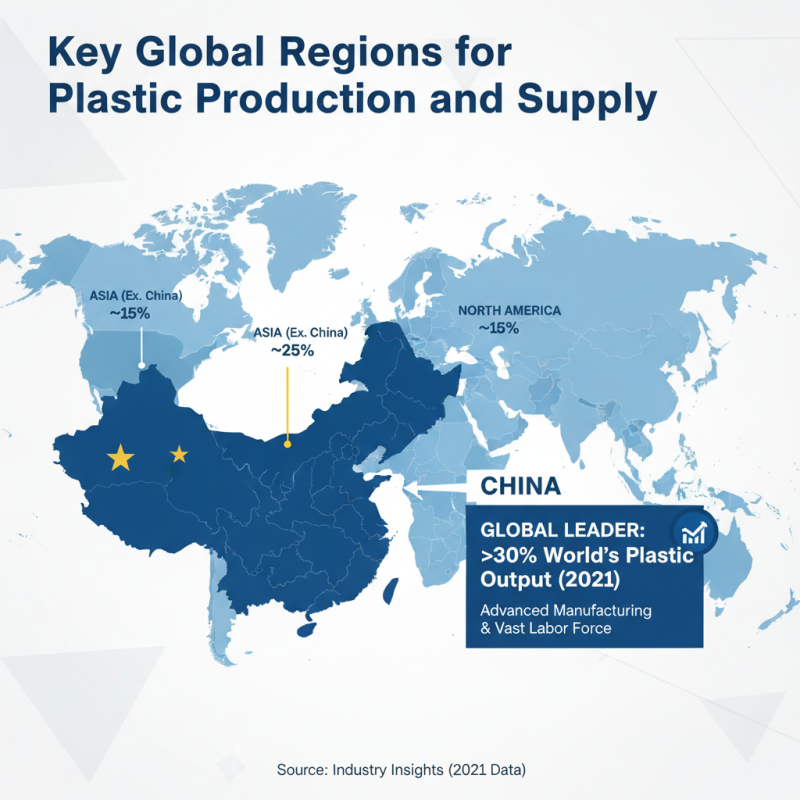
The global plastic supply chain is increasingly shaped by specific regions known for their production capabilities. Asia dominates this landscape, particularly with China leading as the largest producer. According to Industry Insights, China's production accounted for over 30% of the world's plastic output in 2021. This efficiency is driven by advanced manufacturing techniques and a vast labor force.
In North America, the United States has made significant strides as well. With its rich reserves of natural gas, the country has become a key player in producing polyethylene and polypropylene. Reports indicate that production in the US grew by approximately 5% annually over the past five years. However, vulnerabilities remain. Supply chain disruptions during global crises highlighted weaknesses in logistics and dependence on external raw material sources.
Europe also plays a crucial role, focusing on recycling initiatives and sustainability practices. The region's investment in innovative technologies aims to reduce plastic waste. Despite these efforts, challenges persist in balancing production with environmental impact. Some countries lag in regulations, which could hinder progress. Addressing these issues will be essential for future growth and stability in the global plastic supply network.
Major Plastic Manufacturers and Their Specialties
In the global plastics industry, major manufacturers each offer unique expertise. Many specialize in specific types of plastics. For instance, some focus on high-performance polymers. Others may concentrate on biodegradable options, reflecting a growing trend towards sustainability. This division helps buyers find niche products that meet their particular needs.
Quality assurance is a critical factor when sourcing plastic supplies. Finding a reliable manufacturer is essential. Certification standards vary across regions. This often leads to inconsistencies in product quality. Buyers must thoroughly research suppliers. Reviews and case studies can provide insights into a manufacturer’s reliability. Experience in the industry also counts; newer players may lack the same level of expertise.
Price is another important consideration for buyers. While it is tempting to seek the lowest price, this can lead to compromises in quality. Investing in higher-quality materials can lead to long-term savings. It's a balancing act that requires careful thought. Building relationships with suppliers can foster trust and lead to better deals. In the end, the choice of manufacturer should align with your goals and values.
Factors to Consider When Selecting a Plastic Supplier
When selecting a plastic supplier, various factors play an essential role. The quality of materials is paramount. Inferior plastics can lead to product failures. Buyers should request samples to assess physical properties. Understanding the supplier’s quality assurance processes is also crucial. Routine testing and certifications indicate reliability.
Pricing is another significant consideration. While low costs can be tempting, they often compromise quality. Striking a balance between cost and quality is vital. Invest time researching market rates. This can prevent overpaying or underestimating material value.
Tip: Evaluate lead times. Supplier efficiency can impact your production schedule. Delays can lead to lost sales. Building strong relationships with suppliers can help ensure timely deliveries.
The supplier's location is important too. Proximity can reduce shipping costs and delivery time. This can significantly affect your overall production cycle. However, be cautious of suppliers that offer lower prices due to remote locations. Sometimes, the hidden costs can outweigh initial savings.
Tip: Always verify supplier references. Reach out to previous clients to gauge their experiences. It’s an effective way to avoid potential pitfalls in your procurement process.
Conclusion
The article "Top 10 Plastic Supply Sources for Global Buyers" provides a comprehensive overview of the plastic supply chain, highlighting key market trends and the global regions where plastic production is most prominent. It outlines the major manufacturers and their specialties, enabling buyers to identify potential partners in the plastic supply market.
Furthermore, the article delves into critical factors that should be considered when selecting a plastic supplier, ensuring that buyers make informed decisions. Finally, it discusses future trends in global plastic supply, emphasizing the importance of sustainability in the industry. This summary serves as a guide for global buyers looking to navigate the complex landscape of plastic supply while being mindful of emerging market dynamics.