Top 10 Sch 40 Erw Pipe Suppliers for Global Buyers?
In today's industrial landscape, the demand for Sch 40 Erw Pipe has surged. A report by MarketsandMarkets indicates that the global steel pipe market is projected to reach USD 250 billion by 2025, largely driven by infrastructure development and energy projects. Specifically, the use of Sch 40 Erw Pipe is prominent in oil, gas, and water distribution applications.
Industry leaders emphasize the importance of sourcing quality products. Reliable suppliers not only ensure compliance with regulations but also provide prompt delivery and competitive pricing. These factors significantly impact project timelines and budgets. According to a recent study, 60% of construction delays can be attributed to supply chain inefficiencies, demonstrating the critical need for dependable suppliers in the Sch 40 Erw Pipe segment.
While many manufacturers boast of high-quality products, buyers should exercise caution. Not every supplier adheres to the same standards. It is essential to conduct thorough due diligence to avoid potential pitfalls. Trustworthiness and transparency should be at the forefront of supplier selection, especially when dealing with essential materials like Sch 40 Erw Pipe.
Top Global Suppliers of Schedule 40 ERW Pipes
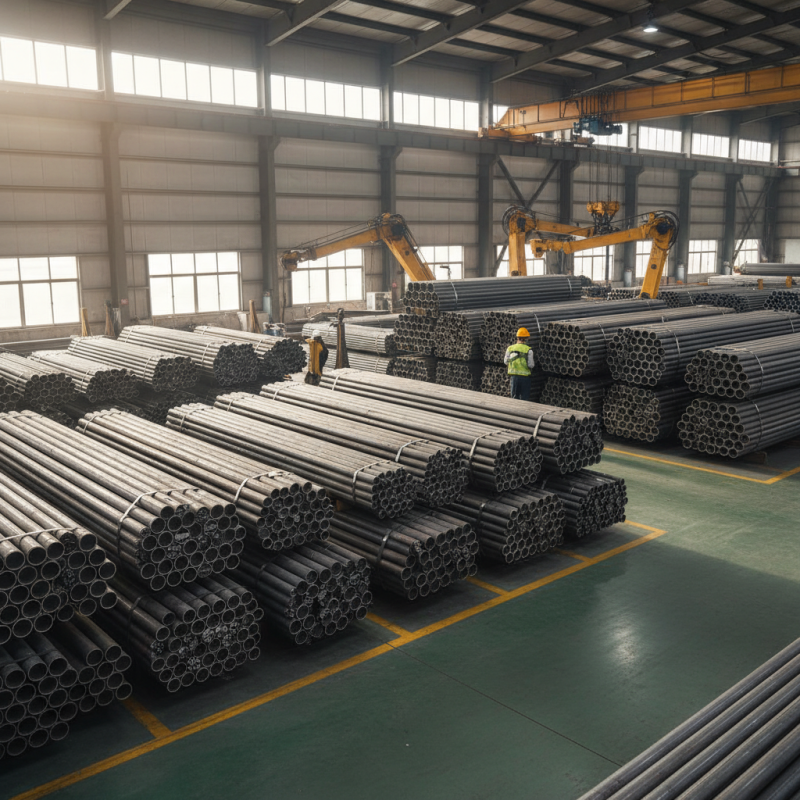
When sourcing Schedule 40 ERW pipes, buyers need to consider multiple factors. Global suppliers offer a variety of options for industries. Quality, pricing, and delivery times vary significantly among different suppliers. Key insights can help buyers make informed decisions.
Choosing a supplier involves evaluating their manufacturing processes. High-quality steel and strict quality control lead to durable pipes. Look for suppliers with experienced staff who understand the nuances of pipe production. They should also have a proven track record of delivering on time.
**Tip:** Always request certifications and documentation to verify quality. It adds another layer of assurance.
Another important aspect is a supplier's customer service. Responsiveness can be crucial in the purchasing process. A supplier that communicates effectively makes future collaborations easier. Reflect on past experiences with suppliers. Did they meet your expectations?
**Tip:** Consider reaching out to existing customers for their opinions. Their feedback can provide valuable insights.
In global procurement, freight logistics play a significant role. Understanding shipping costs and timelines can impact your overall project budget. Evaluate how suppliers handle international shipping and customs. A clear logistics plan can save time and money.
Key Factors to Consider When Choosing ERW Pipe Suppliers
When selecting ERW pipe suppliers, buyers should assess a few key factors to ensure quality. Experience in the industry is paramount. Look for suppliers with a solid track record of reliability. Their expertise can influence product durability and performance. Supplier testimonials can also provide insights into their reputation.
Another crucial aspect is the range of products offered. A diverse inventory indicates a supplier’s ability to meet various project needs. Additionally, quality control measures should be in place. Verify that suppliers adhere to international standards and certifications. This ensures that the pipes meet required specifications for safety and performance.
Price is always a factor, but it shouldn’t be the only concern. Sometimes, a lower price reflects lower quality. It’s essential to weigh cost against the value of quality. Look for suppliers who offer transparent pricing along with detailed product information.
Building a relationship with a supplier can lead to better communication and support in times of need. These elements together create a reliable foundation for choosing the right ERW pipe supplier.
Overview of Schedule 40 ERW Pipe Applications and Uses
Schedule 40 ERW (Electric Resistance Welded) pipes are widely used across various industries. Their popularity stems from their versatility and reliability. Common applications include construction, oil and gas, and water distribution. These pipes are favored for their strength and ease of installation. They resist corrosion and can withstand high pressure, making them ideal for demanding environments.
The manufacturing process of Schedule 40 ERW pipes involves welding steel sheets. This method provides a uniform thickness and ensures structural integrity. Despite this, there are concerns regarding quality control in some factories. Not all suppliers maintain the same standards. Buyers often need to conduct inspections or request certifications to ensure product reliability. This could become a challenge, as it requires additional resources and time.
Another aspect to consider is the variety of available sizes and specifications. Different projects may demand specific standards. Ensuring compatibility can be tricky, and miscommunication can lead to costly delays. Global buyers should be aware of these challenges when sourcing Schedule 40 ERW pipes. A well-informed purchasing decision is crucial to avoid setbacks in project timelines.
Evaluation Criteria for the Best ERW Pipe Suppliers
When evaluating the best suppliers for Schedule 40 ERW pipes, several criteria must be taken into account. Quality is paramount. According to industry reports, pipes must meet strict standards such as ASTM A53 or API 5L. Such specifications ensure reliability and performance in demanding applications. Buyers should also consider the supplier’s certification. ISO 9001 certification indicates adherence to quality processes. This is crucial for long-term satisfaction.
Another critical factor is the supplier’s production capacity. It is essential to assess whether they can meet bulk order demands. Companies that can produce over 50,000 tons annually often have advanced manufacturing technologies. Furthermore, timely delivery plays a significant role in supply chain efficiency. A delay from a supplier can lead to significant project setbacks.
Pricing structures also warrant scrutiny. An overly low price may indicate compromised quality. Transparency in costs can help buyers avoid unpleasant surprises. In today's competitive market, it’s beneficial to evaluate supplier reputations. Industry reviews and case studies provide insights into a supplier's past performance. Balancing these factors can lead to better procurement decisions.
Current Trends in the ERW Pipe Supply Market
The ERW pipe supply market is experiencing significant shifts. Demand for these pipes is growing across various sectors. Industries such as construction, oil, and gas are particularly influential. New technologies and techniques improve production efficiency and quality. Global buyers seek reliable suppliers who can meet their evolving needs.
Recent trends show a focus on sustainability in the pipe industry. Manufacturers are implementing eco-friendly practices. These practices include using recycled materials and reducing waste. Additionally, there is a push for enhanced quality assurance measures. Buyers are now more discerning regarding pipe specifications. They require strict adherence to international standards.
Supply chain challenges also impact the market. Disruptions from global events have affected material availability. Buyers must be vigilant. They should evaluate supplier reliability and responsiveness. Dynamic market conditions demand a proactive approach from both buyers and suppliers. Adapting to these changes is crucial for success in the ERW pipe supply market.